
Costumes can make role playing feel more vivid, playful, and exciting, but they are not the thing that makes a scene good. Communication does that. A costume can add realism, help a person step into a character, or give a partner an easy visual cue, but it should never replace consent, comfort, or emotional safety.
This guide is not a must-buy list of sexy costumes. It is a consent-informed way of choosing the right costumes for role playing, whether you are curious for the first time, dressing up for a bedroom scene, planning a larp costume, joining friends for a tabletop game, or figuring out what to wear to halloween, a party, or a casual kink night.
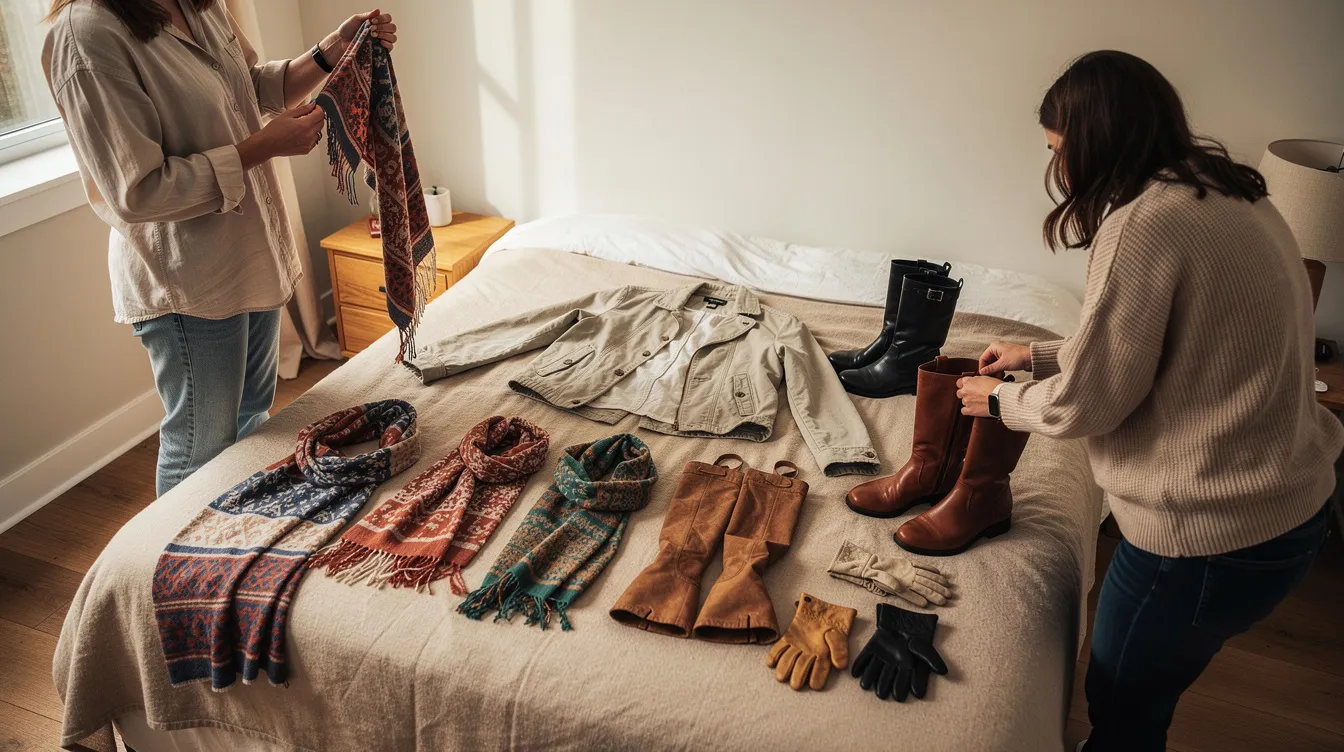
You can begin with one scarf, a borrowed dress shirt, a cool jacket, styled hair, or everyday clothes worn differently. Many couples explore fantasy with simple DIY outfits, while other types of players love elaborate builds inspired by movies, stories, batman, superman, or original characters. There is no single answer, and that is part of the fun.
Start With Consent, Boundaries, and Shared Imagination
Choosing a costume is part of scene negotiation. Before anyone gets dressed, everyone should understand the idea, the tone, the limits, and what kind of play is actually on the table. Role-play costumes can significantly enhance the immersive experience by visually aligning with the characters being portrayed, making the scenario more believable and engaging for both partners, but only when everyone has chosen it freely.
Talk before putting on the outfit, especially when power dynamics are involved. The choice of costume can reflect the power dynamics and character traits in role-playing scenarios, such as authority in a boss/employee role-play or vulnerability in a doctor/patient scenario. That distinction matters.
Discuss:
-
The fantasy and story: doctor and patient, 1920s heist crew, fantasy adventurers, student/professor, boss/employee, handyman/housewife, cop/prisoner, or doctor/patient themes can all carry different meanings.
-
The tone: playful, dramatic, romantic, naughty, campy, intense, non-sexual, or somewhere in between.
-
The line: is this just flirting in costume, sexual play, a non-sexual LARP, or a public event?
-
Triggers and hard limits: a police officer uniform, boss role, teacher role, or family member-adjacent role like “strict guardian” may touch real-life harm for some people.
-
Safewords and signals: decide how to pause, slow down, or stop if words feel hard in the moment.
-
Body autonomy: no one should be pressured to wear a sexy costume, high heels, revealing clothes, or a gender presentation they do not want.
For public events, consent also includes the space. Event dress codes vary, and participants should verify guidelines regarding costume coverage and allowed materials before attending. Venue requirements for costumes often dictate that they meet or exceed the coverage of a standard, modest swimsuit, prohibiting excessively lewd or body-painted outfits.
Comfort First: Fit, Fabric, and Practical Details
Comfort is not an afterthought. Costume selection for events should balance character authenticity with physical comfort, favoring fabrics that allow movement and breathability. If you cannot breathe, sit, walk, use the bathroom, or regulate your temperature, the costume is not supporting the scene.
This is especially true in Houston. Houston is known for its extreme heat and sub-tropical humidity, especially from May through September. Due to high humidity, breathable materials such as lightweight cotton, linen, and high-quality athletic blends are recommended for costumes.
Practical checks:
-
Choose soft fabrics for longer wear: cotton, modal, jersey, linen, and flexible athletic blends generally feel better than scratchy synthetics.
-
Test mobility: can you kneel, lift your arms, sit at a game table, lie down, or run a short distance without pain?
-
Watch the fit: avoid straps that dig in, waistbands that restrict breathing, or elements that worsen dysphoria.
-
Plan for accessibility: tags, seams, tight collars, binders, orthotics, canes, wheelchairs, sensory needs, and fatigue all matter.
-
Use layers: adjustable straps, elastic waistbands, capes, vests, and removable pieces make it easier to change course.
-
Think about shoes: Houston venues often require extensive walking across large concrete floors during events. Comfortable footwear with padding is essential for navigating lengthy events in Houston, and oversized costumes can make movement challenging in crowded spaces.
-
Do a test run: wear the outfit for 20 to 30 minutes at home and try standing, sitting, lying down, and moving through doorways.
Matching Costume to Scene: Clarity, Mood, and Story
Costumes play a crucial role in storytelling by conveying character traits, setting, and plot elements, making them essential for visual depth in any narrative. In practice, that does not mean you need perfection. It means one or two visual elements can help everyone remember who they are playing and what kind of world they are in.
Costumes can enhance immersion in role-playing scenarios by visually aligning participants with their characters, which can deepen the overall experience. Costumes can enhance immersion in role-playing scenarios by visually aligning participants with their characters, making the experience more engaging. The point is clarity, not pressure.
-
Pick visual anchors: a lab coat and stethoscope for a doctor, a utility belt and boots for a repairperson, or a cloak and bracers for a fantasy rogue.
-
Use color intentionally: the choice of colors and materials in costume design can significantly impact how characters are perceived, ensuring they stand out against their backgrounds.
-
Match the mood: darker tones may suit gritty LARP stories, while brighter pieces can support light-hearted couple play.
-
Keep it simple: glasses, a jacket, a hat, gloves, jewelry, or one statement accessory can carry the whole idea.
-
Practice portrayal: participants in events should practice gestures or phrases related to their characters to enhance their portrayal.
-
Adapt carefully: mainstream ideas like boss/employee or student/professor should be negotiated clearly, especially if real-life hierarchy, age, or authority makes anyone uncomfortable.

Bedroom Role Play vs. LARP vs. Tabletop: Different Needs
Different settings ask different things from a costume, so decide the context first.
-
Bedroom role playing: choose comfortable, easy-to-remove outfits, like an oversized button-down shirt, soft robe, simple uniform shirt, or casual outfit. Costumes for role-play can range from simple DIY outfits to more elaborate purchases, allowing couples to express creativity and explore different fantasies in the bedroom.
-
LARP costume: prioritize durability, weather-appropriate layers, sturdy shoes, pockets, and repairable pieces. Plan around mud, rain, heat, and 8 to 12 hour event days, not only visual impact.
-
Tabletop role playing: while it is rare, some tabletop role-playing groups incorporate costumes and props to enhance their gaming experience, depending on personal preferences and group dynamics. Try a scarf, pendant, hat, fingerless gloves, or other small stuff that will not interfere with dice, snacks, laptops, or headphones.
-
Houston conventions: Houston hosts some of the largest pop culture gatherings in Texas, including Comicpalooza and Anime Matsuri. Local gatherings in Houston often market themselves as family-friendly public events, so assume a child or children may be present and dress accordingly.
-
Public safety rules: safety protocols at Houston events require thorough inspections and peace-bonding of weapon props at security checkpoints. Major conventions in Houston prohibit real firearms, functional projectile launchers, and sharp-edged metal blades.
Working With Body Image, Dysphoria, and Self-Consciousness
For a lot of people, wearing sexy costumes or tight LARP outfits brings up nerves, shame, or old stories about the body. You might be interested in dressing up and still feel afraid. Sometimes both things are true.
-
Choose silhouettes that feel safe: loose shirts, robes, capes, long skirts, armor pieces, or layered clothes can cover areas of discomfort while still signaling the character.
-
Make gender optional, not mandatory: chef jackets, mechanic coveralls, mage robes, lab coats, and non-gendered fantasy roles can work for women, men, nonbinary people, and anyone still exploring.
-
Support affirming elements: if using binders, gaffs, padding, or compression garments, prioritize breathing, heat management, and freedom of movement.
-
Try implied sexy instead of exposed sexy: boots, gloves, a fitted blazer, jewelry, or textured fabric can feel powerful without showing skin.
-
Check your body’s response: if wearing the costume makes you want to hide, freeze, or disconnect, adjust it. The right outfit helps you feel more present.
-
Talk with your partner or friends: name what feels affirming, what feels exposing, and what you want to change next time.
You do not have to become a “girl,” “hero,” “villain,” “boss,” or “patient” in a way that erases you. The character should support the person, not swallow them.
Budget-Friendly and DIY Options (Without Performance Pressure)
You do not need a lot of money to create something awesome. Costumes can be sourced from thrift stores, DIY projects, or online shopping, allowing for creativity and budget-friendly options when selecting outfits for role-playing. Role-playing costumes can vary widely, from professional attire in boss/employee scenarios to casual outfits in handyman/homeowner scenarios, allowing for diverse expressions of character and fantasy.
Try:
-
Everyday pieces: button-down shirts for professor or boss roles, aprons for chef or craftsperson roles, hoodies and bandanas for rogues or rebels, older suits for courtroom or office scenes.
-
Second-hand finds: belts, vests, boots, skirts, coats, and bags can become fantasy or historical costume basics.
-
Slow collecting: gathering pieces over time and using unique finds is a recommended strategy in the local costume-making community.
-
Local options: the Houston area has specialized brick-and-mortar shops for purchasing or renting costume supplies and outfits.
-
Simple DIY: fabric dye, patches, painted sigils, safety-pinned capes, hand-drawn name tags, or a single badge can shift the whole scene.
-
Discretion: if you share housing with family members, roommates, or a family member who might ask questions, a necklace, armband, or folded accessory may be enough.
Here’s the thing: storytelling, voice, enthusiasm, and behavior often matter more than visual detail. Do not forget that confidence and communication usually lead better than expensive dressing.
Safety, Care, and Aftercare Around Costumes
Costumes can stir up strong feelings, memories, and unexpected reactions. They can also create ordinary physical risks: tripping, overheating, poor visibility, broken straps, or props that seemed harmless at home.
-
Physical safety: avoid masks or helmets that limit vision or hearing in dark spaces, and be cautious with heavy props, real restraints, sharp edges, and trip hazards.
-
Heat and fatigue: rest, hydrate, and remove layers when needed. According to a German LARP injury survey, severe injuries were rare, but bruises, sprains, fatigue, and circulation issues were much more common in event settings.
-
Garment care: choose washable fabrics when possible, air out larp costume pieces after events, and check buckles, zippers, seams, and straps before each use.
-
Public context: if attending a crowded party or convention, make sure your costume can move through people without bumping, scraping, or trapping anyone.
-
Emotional aftercare: de-role by changing clothes, removing makeup, using your normal name, sharing a snack, or sitting quietly together.
-
Debrief: ask, “What did you like about this outfit?” “What felt awkward?” “Anything you want to change next time?”

The costume should be easy to take off, easy to say no to, and easy to change whenever someone’s needs shift.
Bringing It All Together: Choosing Costumes That Support Connection
Choosing the right costumes for role playing is not about looking perfect. It is about finding a costume that fits the agreed story, respects everyone’s boundaries, feels workable on the body, and supports connection instead of pressure.
You can explore with one jacket, one scarf, one pair of boots, or one carefully chosen phrase. You can also build elaborate costumes over time if that brings you joy. The hope is not to impress an imaginary audience. The hope is to stay present with the person or people actually in the scene.
Start small, talk honestly, and adjust as you learn. Autonomy, choice, and mutual respect matter more than any particular sexy costume, perfectly accurate larp costume, or cool idea from a movie. If the costume helps you feel safer, clearer, and more connected, it is doing its job.
About the Author: Gareth Redfern-Shaw

Share This Story, Choose Your Platform!
Related Articles

0.5 Min Read
38 Views
1 Today

0.5 Min Read
228 Views
1 Today

0.6 Min Read
219 Views
0 Today