
Want to know how can I catch various STDs and STIs? This article explains the transmission methods, symptoms, prevention strategies, and treatment options to keep you informed and safe.
Key Takeaways
-
STIs can exist without symptoms, highlighting the importance of regular testing to prevent progression to STDs.
-
STIs can be transmitted through various methods, including sexual contact, skin-to-skin contact, and sharing personal items, necessitating comprehensive understanding of risks.
-
Prevention strategies include safe sex practices, vaccinations, and routine screenings, which are essential for reducing the risk of transmission and promoting sexual health.
Understanding STDs and STIs
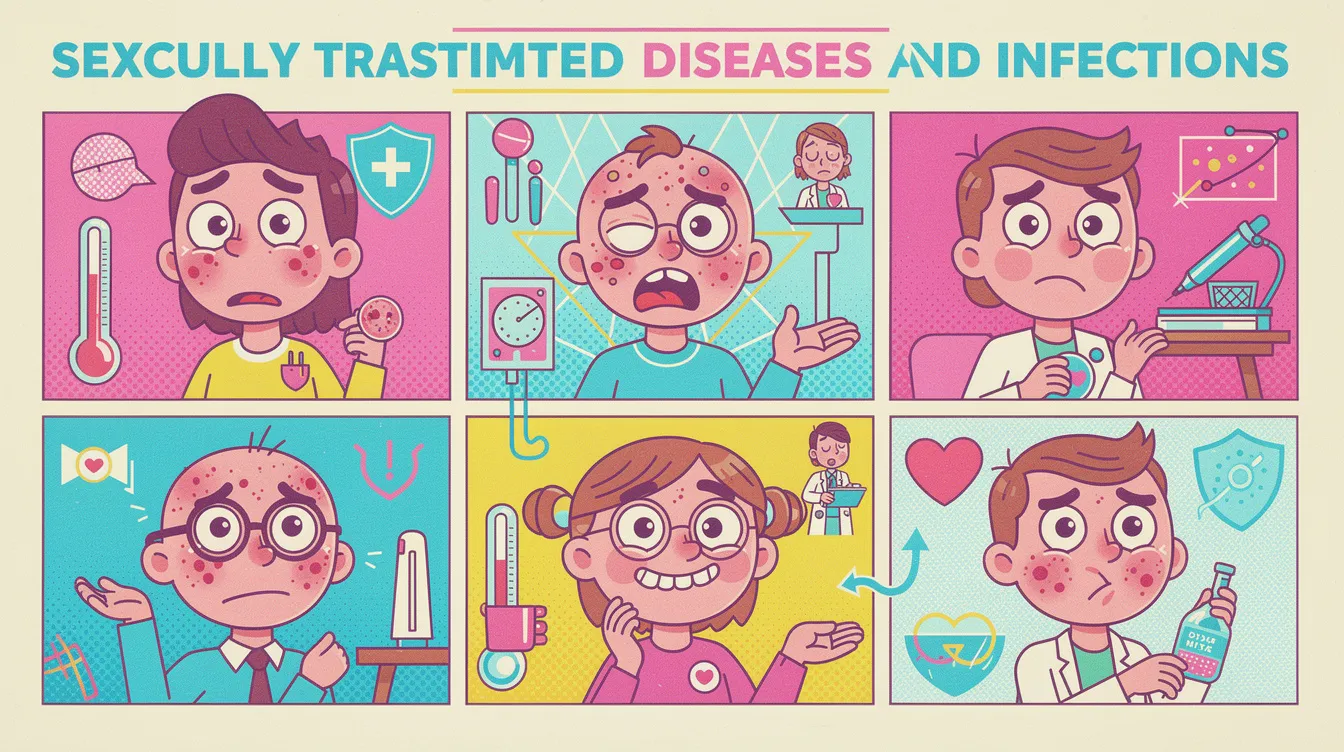
Sexually transmitted infections (STIs) encompass viruses, bacteria, fungi, or parasites that can be transmitted through sexual contact. Examples include human papillomavirus (HPV), chlamydia, gonorrhea, and syphilis. The term sexually transmitted disease (STD) is used when an STI produces noticeable symptoms. While all STDs are caused by STIs, not all STIs develop into STDs.
Understanding this distinction is crucial: STIs can lead to diseases, but many people may carry an STI without symptoms, potentially spreading it unknowingly. Regular testing and early detection help prevent progression to a sexually transmitted disease.
Common Modes of Transmission
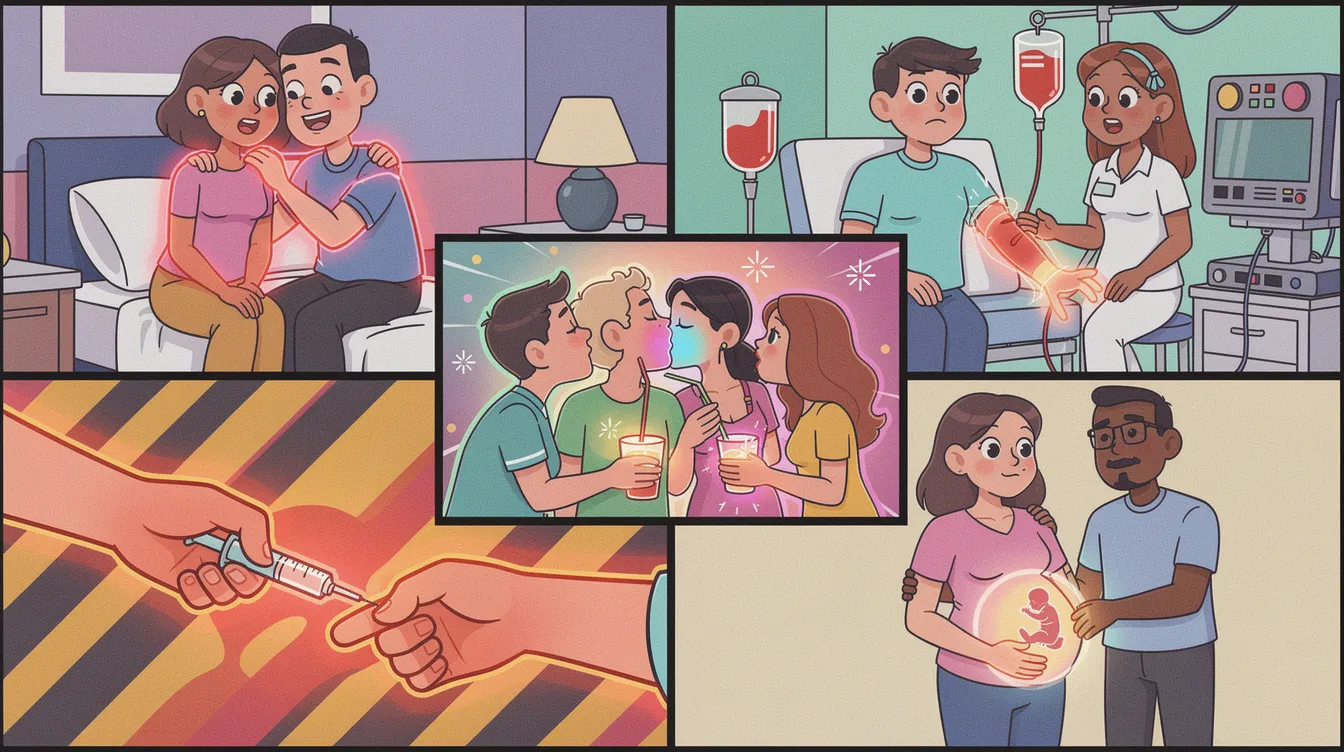
Sexually transmitted diseases (STDs) and sexually transmitted infections (STIs) can spread through various methods. The most common mode is sexual contact, including oral, vaginal, and anal sex. However, less commonly discussed are the non-sexual modes of transmission, such as skin-to-skin contact and the sharing of personal items like razors or towels.
A common misconception is that STIs can only be contracted through penetrative sex. In reality, they can also be transmitted via oral sex and intimate skin-to-skin contact, making it important to understand all potential risks.
Sexual Contact
Various sexual activities can lead to STD transmission. Vaginal, anal, and oral sex are primary avenues through which infections spread. Risk levels vary with different practices; for instance, anal sex typically presents a higher risk compared to oral sex.
Using protection like condoms during vaginal and anal sex can significantly reduce the risk of infection. Unprotected sex with multiple sex partners increases the risk, especially if one of the partners is already infected.
Skin-to-Skin Contact
Certain sexually transmitted infections, like genital herpes and HPV, are spread through direct skin-to-skin contact during sexual activities. This means that even without penetrative sex, intimate physical contact can result in the transmission of these infections.
Genital herpes is primarily transferred through skin contact, emphasizing that not all STIs require sexual intercourse to spread. Even seemingly harmless skin contact can pose a risk.
Blood and Bodily Fluids
Blood, semen, vaginal fluids, and other bodily fluids are common transmitters of STIs. Sharing needles, especially among individuals who use injection drugs, represents a significant risk for blood-borne STDs like hepatitis B and human immunodeficiency virus. Engaging in sexual contact where bodily fluids are exchanged, such as unprotected vaginal or anal sex, increases the likelihood of contracting an infection.
Being aware of these risks can lead to better prevention practices, such as avoiding sharing needles and using protection during sex to prevent hiv infection.
Mother-to-Child Transmission
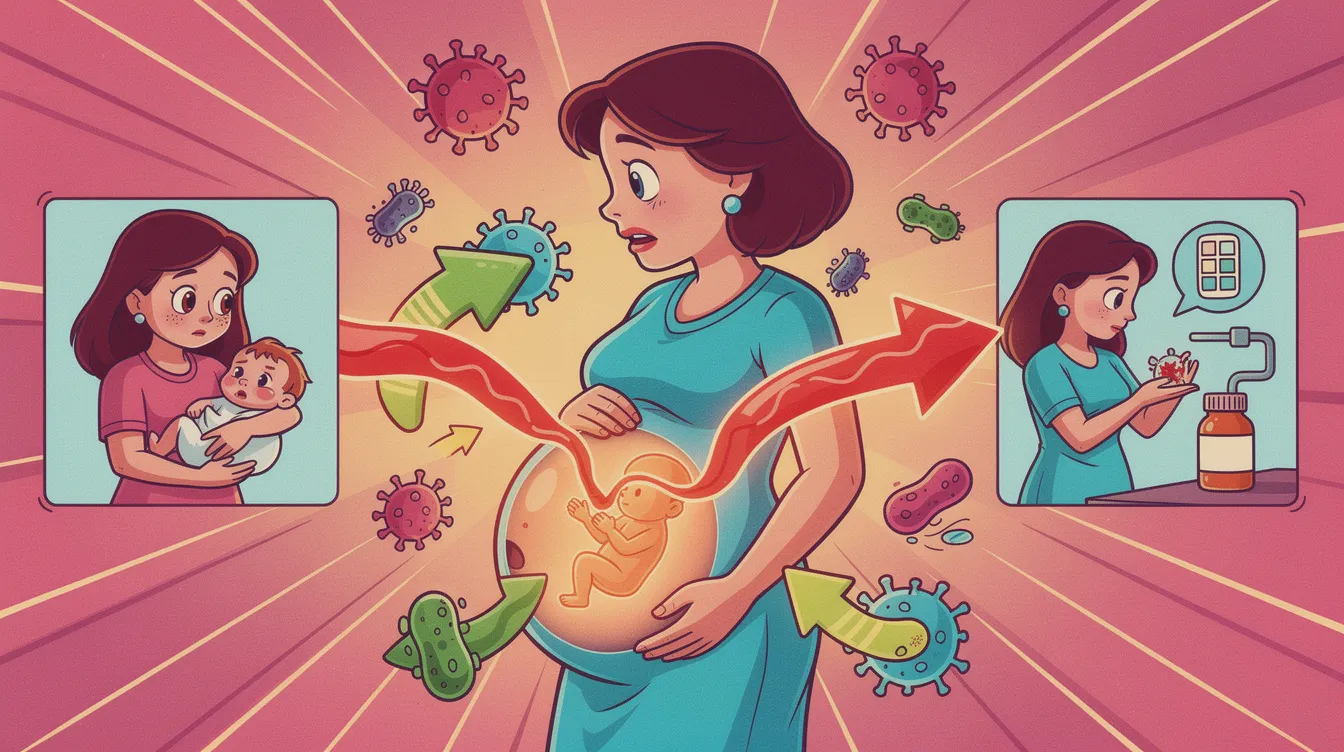
Mother-to-child transmission of STIs is a serious concern. Infections like gonorrhea, chlamydia, HIV, and syphilis can be passed to the infant during pregnancy, childbirth, or breastfeeding, leading to severe health issues or even death.
Pregnant women with STIs may experience complications like premature labor, significantly impacting the baby’s health. Regular screening and treatment for STIs during pregnancy are crucial to prevent transmission to the baby.
Symptoms of Common STDs and STIs
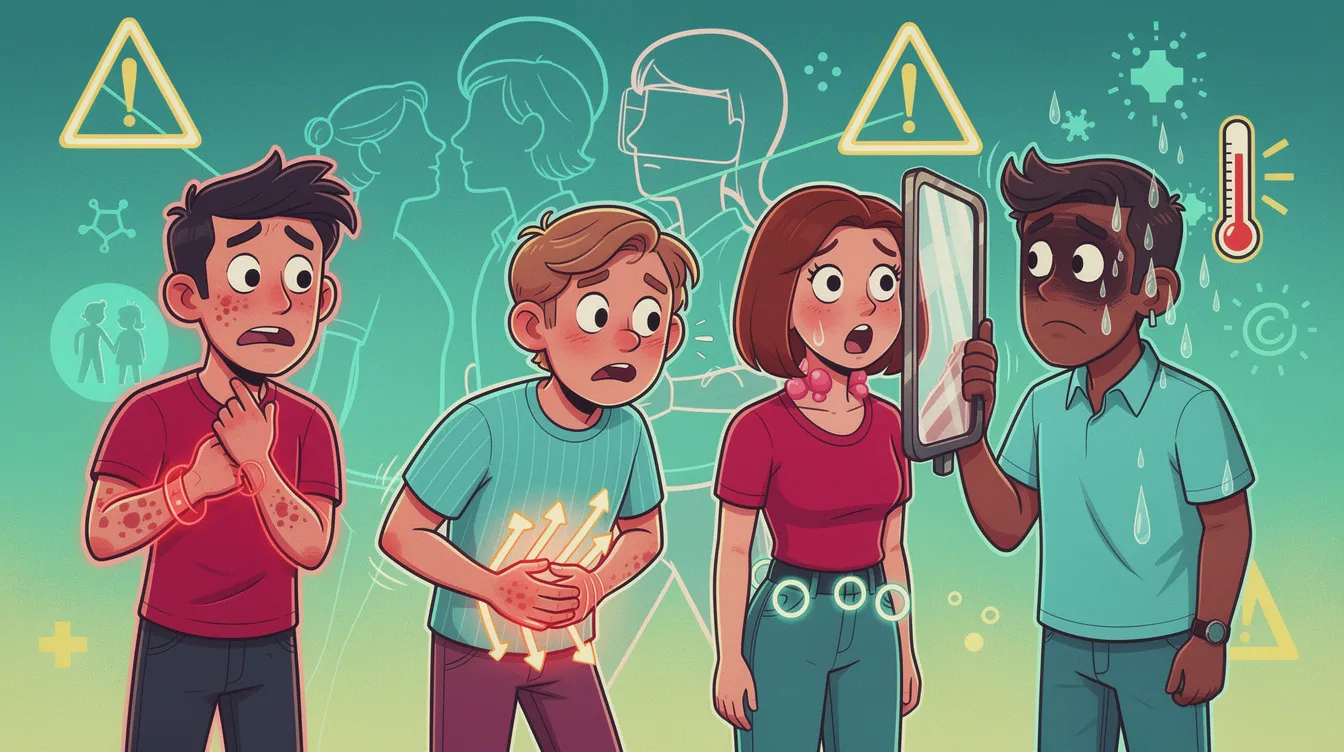
Many sexually transmitted infections can occur without any noticeable symptoms, making it possible to spread them unknowingly. The four curable STIs include syphilis, gonorrhea, chlamydia, and trichomoniasis. Additionally, there are four viral infections linked to STIs: hepatitis B, herpes simplex virus (HSV), HIV, and human papillomavirus (HPV).
Recognizing the symptoms of these infections is key to early detection and treatment. Here are the symptoms of some common STIs and their implications.
Genital Herpes
Genital herpes, caused by the herpes simplex virus, often presents with painful sores, itching, and flu-like symptoms such as fever during the initial outbreak. These symptoms can be quite distressing and may recur over time.
Genital herpes is transmitted primarily through direct skin contact, underscoring the need for caution even without penetrative sex. Early recognition of these symptoms can help manage and reduce the risk of spreading the infection.
Gonorrhea and Chlamydia
Gonorrhea and chlamydia share similar symptoms, often causing unusual discharge and pain during urination. Gonorrhea typically presents with thick discharge and discomfort during urination. Chlamydia, on the other hand, may show signs like pain during urination and unusual genital discharge.
Untreated, both infections can cause significant discomfort and complications.
Human Papillomavirus (HPV)
HPV infections can be asymptomatic, meaning individuals may not show any obvious symptoms. One of the most visible symptoms is the appearance of genital warts, which can be small, raised bumps in the genital area.
Certain strains of HPV increase the risk of cervical cancer, a serious health concern for women. Regular screening and vaccination can help mitigate these risks.
Prevention Strategies
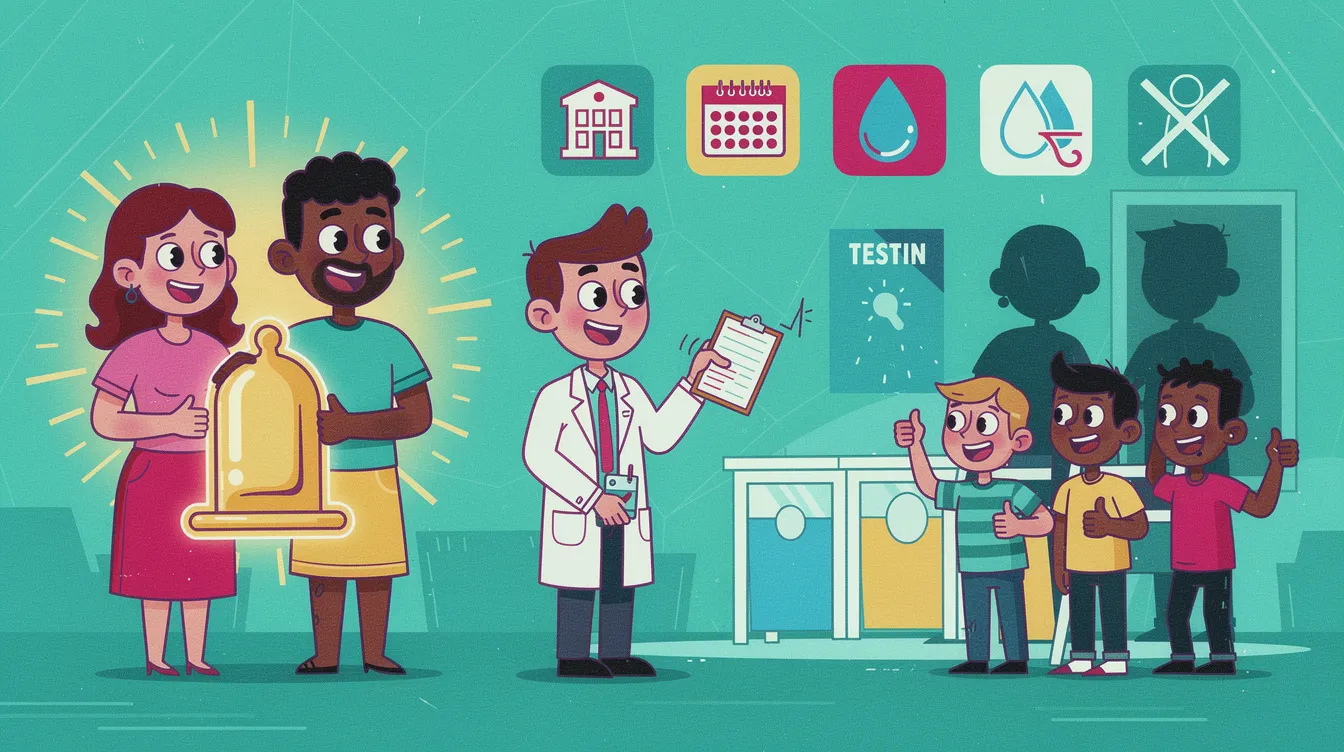
Regular testing is crucial for early detection and prevention of STIs, as many people may not show symptoms early on. Safe sex practices and vaccinations play significant roles in reducing the risk of transmission. Open communication with partners about sexual health is essential for mutual understanding and prevention.
Proactive measures like regular tests and open conversations about sexual health can significantly reduce risks for those who are sexually active and maintain better sexual health overall.
Safe Sex Practices
Condoms and dental dams are effective barriers for preventing STDs during sexual activity. Their consistent use can significantly reduce the risk of transmitting infections, including HIV. Using condoms correctly and consistently minimizes the risk of contact with infected bodily fluids like semen and vaginal secretions.
Vaccinations
Vaccinations are crucial for preventing certain sexually transmitted infections. The HPV and hepatitis B vaccines are particularly important for reducing the risk of contracting these viruses. These vaccines bolster the immune system, making it less likely for individuals to contract these infections, which can lead to serious health complications.
Regular Testing
Routine screenings are vital for understanding one’s STI status, as many infections can be asymptomatic. Regular testing ensures early detection and treatment, crucial for preventing the spread of infections. Testing frequency should consider personal risk factors, but every three months can be sufficient for those at higher risk.
Regular testing allows for timely interventions and better health outcomes.
Diagnosis and Treatment
Most STIs are treatable, and many can be completely cured with appropriate medical intervention. However, not all STIs can be cured; some, like herpes and HIV, are manageable but not curable.
Understanding comorbidity in STIs is crucial, as having one STI does not prevent the transmission or contraction of another. This highlights the importance of comprehensive testing and treatment.
Diagnostic Methods
Testing for STIs often includes blood samples, urine tests, and swabs from affected areas, depending on the infection type. Rapid tests for HIV infection can produce initial results in minutes using a finger poke, while confirmatory tests require a lab blood sample.
Visual examinations are used to detect HPV, especially when looking for genital warts. Accurate and timely testing is crucial for effective treatment.
Treatment Options
Antibiotics are common treatment options for bacterial STDs. Some STDs, like molluscum contagiosum, can resolve on their own without medical treatment.
Seeking medical treatment after a positive STD test addresses symptoms and prevents further transmission. Follow-up appointments with healthcare providers ensure effective treatment and monitoring.
Addressing Misconceptions
Many sexually transmitted infections can be transmitted even without symptoms. Individuals may be unaware they have an STI, complicating early detection. Periodic screening and testing are crucial for preventing the spread of unnoticed infections.
Steps to Take After a Positive Test
After testing positive for an STD or STI, immediate actions include seeking medical treatment and following healthcare professionals’ instructions. Notifying sexual partners is critical to prevent the spread of the infection and ensure they get tested and treated.
Taking these steps promptly helps manage the infection effectively and reduces the risk of further complications.
Summary
Understanding STDs and STIs, their transmission modes, symptoms, and prevention strategies is essential for maintaining sexual health. Regular testing, safe sex practices, and vaccinations are key preventive measures. Open communication with partners and prompt action after a positive test are crucial for managing these infections.
By being proactive and informed, individuals can protect themselves and their loved ones, fostering a healthier and more aware community.
Frequently Asked Questions
What are STIs?
STIs, or Sexually Transmitted Infections, are infections spread primarily through sexual contact. It’s essential to understand their implications for health and to seek regular screening for prevention and early treatment.
How are STIs different from STDs?
STIs are infections without necessarily showing symptoms, whereas STDs are the diseases resulting from those infections when symptoms do occur. It’s important to understand this distinction for effective prevention and treatment.
What types of STIs are mentioned?
The STIs mentioned are gonorrhea, syphilis, bacterial vaginosis (BV), chlamydia, genital herpes, Mycoplasma genitalium (Mgen), Pelvic Inflammatory Disease (PID), and Trichomoniasis.
How can STIs be prevented?
To effectively prevent STIs, prioritize safe sex practices, undergo regular testing, consider vaccinations, and maintain open communication with your sexual partners. These measures significantly reduce the risk of transmission.
What should I do after a positive STD test?
After a positive STD test, it is crucial to seek medical treatment promptly, adhere to your healthcare provider’s recommendations, and inform any sexual partners to prevent further transmission.
About the Author: Gareth Redfern-Shaw

Share This Story, Choose Your Platform!
Related Articles

3.6 Min Read
155 Views
4 Today

4.4 Min Read
198 Views
11 Today

8.6 Min Read
121 Views
4 Today