
Most of us got the same basic sex education experience: a few awkward class periods in middle school, maybe a diagram of the reproductive system, a brief lecture on avoiding unintended pregnancy, and if we were lucky, a mention of condoms. Then the world expected us to figure out the rest on our own. For a lot of people, that’s exactly what happened. And here we are, adults with decades of sexual experiences, intimate relationships, and life changes under our belts, still carrying gaps in knowledge that a couple of health class sessions in 1998 were never going to fill.
Sexuality education is a lifelong process from birth to death, not a box you check in ninth grade. Yet only 18 states require medically accurate sex education information in schools, and only 11 states require sex education to cover consent. The result is generations of adults who never learned the foundations of consent, communication, pleasure, or sexual orientation in any structured way. Meanwhile, sexually transmitted infections are climbing (over 2.2 million cases of chlamydia, gonorrhea, and syphilis reported in 2024 alone), and 96% of parents support sex education in high school, suggesting most people recognize the need even if policy hasn’t caught up.
This article is a practical guide to comprehensive sexuality education for adults in their 20s through their 70s and beyond. It’s about sexual and reproductive health, mental health, relationship quality, and the quiet, ongoing work of understanding yourself and the people you’re intimate with. Lifelong learning in this space isn’t remedial. It’s human.
The Case for Lifelong Sexuality Education
Sexuality education is a lifelong process starting from birth, and it doesn’t stop being relevant because you’ve had sex, gotten married, or turned 50. Every major life transition reshapes your relationship with intimacy: first serious partnerships in your 20s, fertility decisions in your 30s, perimenopause or andropause in your 40s and 50s, and navigating dating again after divorce or widowhood in your 60s and 70s. A University of New Hampshire study of single adults aged 60 to 83 found that nearly all of them considered sex extremely important in romantic partnerships. Desire doesn’t expire. The context just keeps changing.
Comprehensive sexuality education goes well beyond reproduction. According to UN guidance, CSE programs should start at age 5, building age appropriate information over time. CSE helps young people delay sexual activity and practice safer sex, and for adults, it continues to develop life skills around consent, communication, pleasure, gender identity, and relationship diversity. Sexuality education helps reduce risks from violence and exploitation, a reality underscored by the fact that 18% of girls worldwide experience child sexual abuse. And it can improve self esteem and healthy relationships at any age. The social justice dimension matters here too: adults from LGBTQIA+, disabled, BIPOC, and immigrant communities often had even less inclusive education growing up and face greater barriers to accessing affirming health care. A rights-based, gender-equal approach to sexuality education isn’t a luxury. It’s a baseline.
From Teen Sex Ed to Adult Realities: What Was Missing
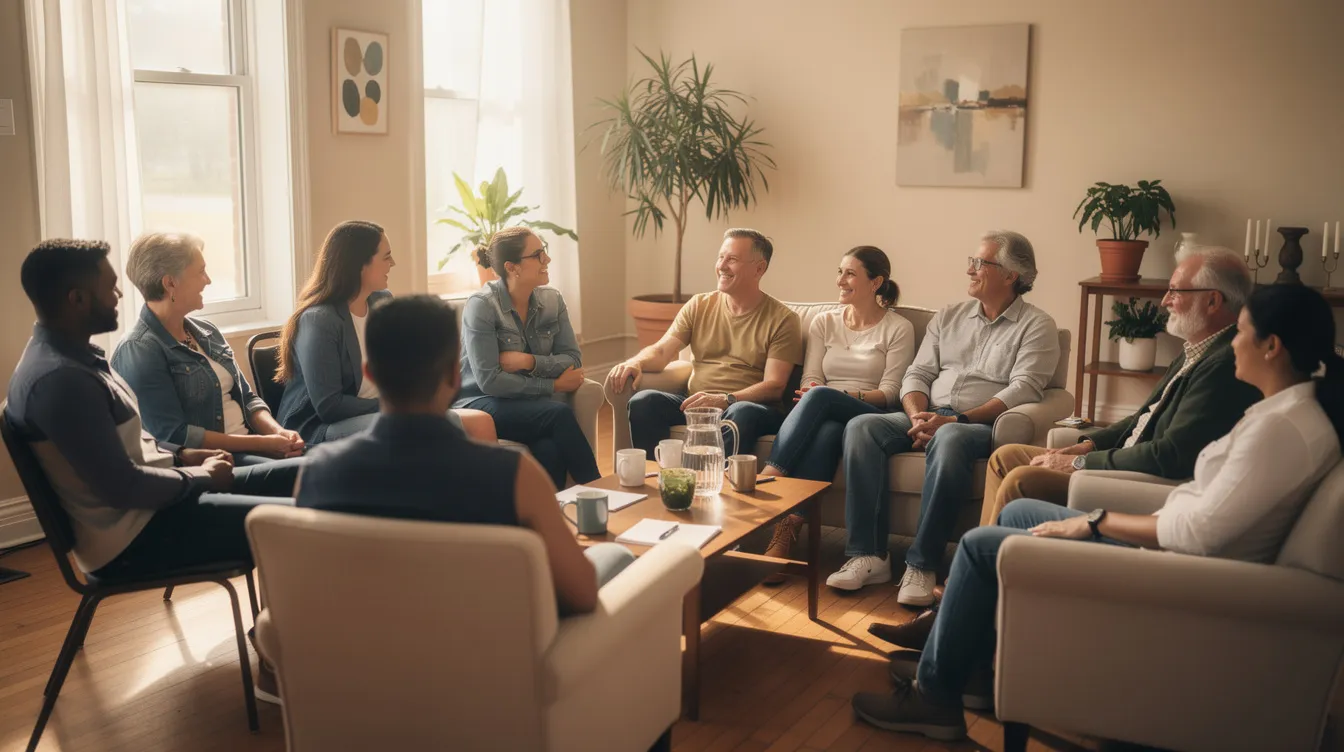
Think back to your school sex ed experience. If you went through it in the 1990s or 2000s, you probably remember overhead slides of reproductive organs, maybe a video designed to scare you about pregnancy or STIs, and a strong message that abstinence was the only truly safe option. Texas public school sex education emphasizes abstinence to this day, and abstinence-only programs received $1.75 billion in federal funding over the years. That money bought a lot of curriculum, but it didn’t buy young people the tools they actually needed.
What was missing, according to a Kinsey Institute survey of nearly 3,900 adults? About one third said they never received information about healthy relationships, consent, communicating with partners, pleasure, or dating from any source. Reproduction was the only topic a majority (about 55%) recalled learning in school. Consent scripts, emotional intimacy, LGBTQIA+ experiences, pornography literacy, non-penetrative sex, and the basic idea that pleasure is a normal part of human sexuality were largely absent. Only 18 states require sex education to be medically accurate, which means many adults internalized information that was incomplete or simply wrong.
The long-term impacts of shame-based teaching show up in real ways: body shame, difficulty communicating desires, confusion about what counts as “normal,” and unrealistic expectations shaped by pornography rather than education. The #MeToo movement highlights the need for adult sexuality education precisely because so many people never learned the language for consent, boundaries, or sexual assault in ways that translated to real life. Adults returning to sex education often have to unlearn myths before they can build accurate information.
Core Topics in Adult Comprehensive Sexuality Education
A modern adult sexuality education curricula looks nothing like what most of us grew up with. Here’s what it actually covers.
Sexual and Reproductive Health Updates. Adults need current information on STI prevention, including newer tools like PrEP for HIV prevention. Reproductive health extends to HPV vaccination (now recommended into the mid-40s), regular screenings, and contraception options that may have changed significantly since you were a teenager. This isn’t just for young adults. Older adults are often left out of these conversations despite remaining sexually active.
Consent, Boundaries, and Communication. Effective adult sex education covers consent and healthy relationship dynamics, not as a one-time checkbox but as an ongoing practice. CSE covers topics like consent, relationships, and sexual health in ways that apply whether you’re in a decades-long marriage or a new sexual encounter. What does consent sound like in a long-term partnership where desire has shifted? How do you renegotiate boundaries after a major health event?
Pleasure, Desire, and Arousal Across the Lifespan. Libido changes with stress, medication, pregnancy, chronic illness, and aging. Teaching pleasure means normalizing varied arousal patterns, non-genital touch, and self-exploration. Better sex education includes this dimension because pleasure is a valid reason people have sex, and understanding it reduces performance anxiety and supports well being.
Gender Identity, Sexual Orientation, and Relationship Diversity. Some adults discover or accept queer or trans identities later in life. Others explore non-monogamy or polyamory. Affirming education presents this diversity without sensationalism, supporting respect and understanding.
Pornography Literacy. Many adults formed their sexual attitudes partly through pornography, often without critical tools to distinguish fantasy from reality. Pornography literacy helps reduce unrealistic expectations and opens space for honest talk with partners.
Adult Sex (Re)Education in Practice
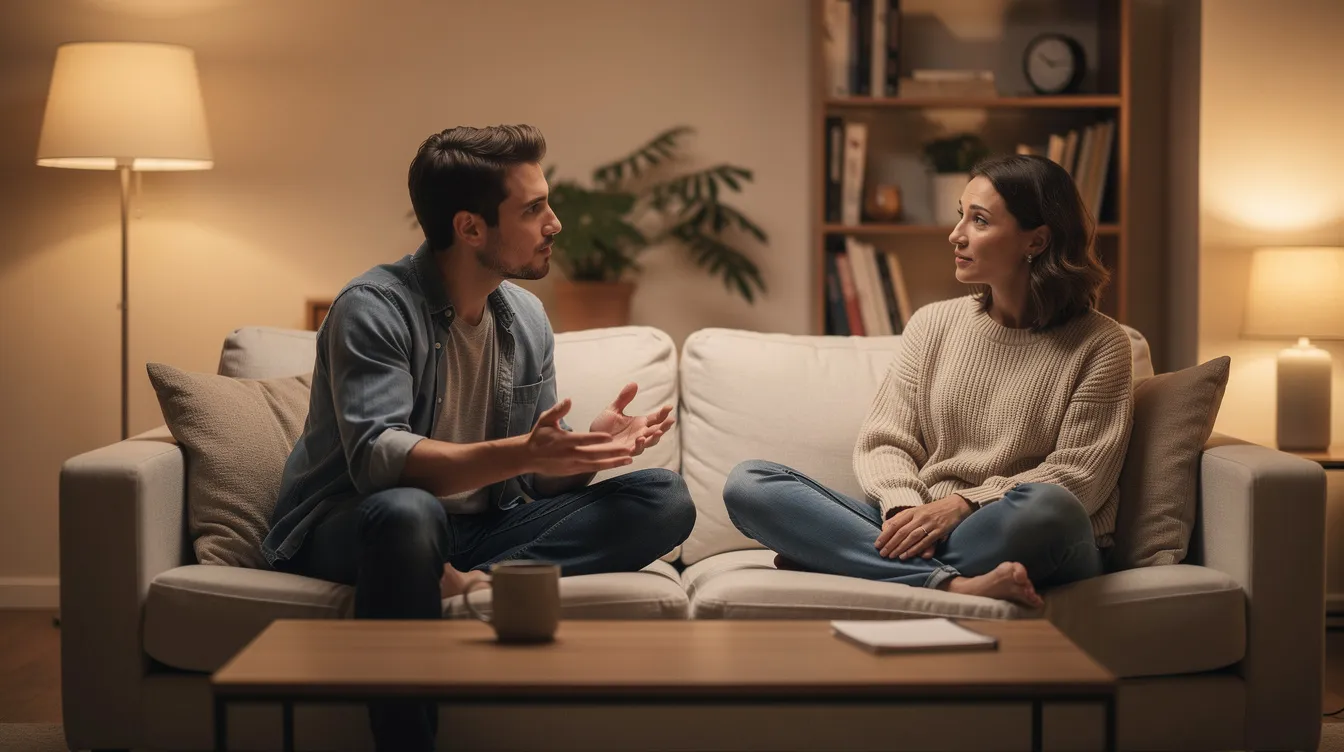
Adult sex education can be more flexible than public school education. There’s no standardized curriculum you have to follow, no bell schedule, and no permission slip. Practical pathways include local community workshops, online courses, support groups, and sessions with a trained sexuality educator or sex therapist.
Ongoing learning can involve attending workshops and discussion groups. Community workshops create judgment-free environments for exploring sexual health. Workshops at LGBTQ+ health centers promote sexual wellness and identity exploration. Support groups can discuss topics like polyamory and jealousy, or navigating intimate partner violence recovery. Sex education classes can focus on practical skills and sexual wellness rather than abstract theory.
One well-known option is Our Whole Lives, a lifespan sexuality education curriculum that covers human sexuality across age groups, from children to older adults. Community-based education programs provide medically accurate sexual health information and are often designed with diverse populations in mind. For people seeking more individual support, intimacy coaching aims to improve personal and relational well-being, and intimacy coaches offer coaching to improve sexual well-being in personalized ways. Somatic sex education focuses on sexual empowerment and trauma-informed care, while sexological bodywork seeks to integrate body awareness with sexual health.
What a multi-week adult course might look like:
Trauma-informed learning is essential. Survivors of sexual violence, religious trauma, or medical trauma benefit from content warnings, self-pacing, and the option to pause without judgment.
Learning Across Life Stages: 20s, 30s, 40s, 50s and Beyond
In your 20s, you’re often navigating first serious sexual relationships, experimenting with dating apps, and figuring out contraception and STI prevention in real time. Consent in hook-up culture is messier than any classroom script prepared you for. Young adults exploring sexual orientation or gender identity for the first time need age appropriate resources that affirm rather than pathologize. Young people in this stage also benefit from understanding how to identify patterns of intimate partner violence early.
In your 30s, fertility decisions become more pressing. Pregnancy and postpartum sex bring changes in desire, body image, and relationship dynamics that few couples anticipate. Parents start thinking about how to model healthy relationships and talk about sexuality with their children, which often surfaces their own unresolved sexuality issues. Renegotiating desire in long-term partnerships is a skill, and it’s one almost nobody is taught in school.
In your 40s and early 50s, perimenopause and andropause reshape the landscape. Women may experience changes in lubrication and libido. Men may face erectile changes. Chronic stress, caregiving responsibilities, and shifting self esteem all affect sexual activity. This is where pleasure-focused education becomes especially valuable: learning that intimacy can look different without being less satisfying.
In your late 50s, 60s, and 70s+, the data tells a clear story. Among adults aged 57 to 64, about 73% remain sexually active. That number is 53% at 65 to 74, and 26% at 75 to 85. Yet many report bothersome sexual problems (43% of women cite low desire, 37% of men report erectile difficulty) and very few have discussed sex with a physician. Older adults navigating widowhood or divorce often re-enter dating with outdated knowledge and significant vulnerability. Comprehensive sexuality education tailored to this life stage supports both positive health outcomes and emotional connection.
Finding Reliable Sex Education Resources as an Adult
Not all resources are created equal, and the internet is full of confident misinformation about sex. When evaluating content, look for clear authorship with professional credentials (a certified sexuality educator, licensed therapist, or public health professional), up-to-date publication dates, and references to clinical guidelines or peer-reviewed research. Only 18 states require medically accurate sex education in schools, so the same rigor you’d want from a school curriculum should apply to what you consume as an adult.
Since 2019, May is recognized as Sex Ed for All Month, which is a useful time to seek out events, resources, and community programming. Sweden established compulsory sexuality education in schools in 1955, decades ahead of most countries, offering a model for what sustained commitment to education looks like. The Sexual Health Alliance provides certifications and intensive trainings for professionals, and checking whether a sexuality educator holds such credentials is a practical way to vet who you’re learning from.
Seek out materials that center diversity (bodies, orientations, relationship structures, abilities) and distinguish between personal opinion and established evidence. Books, podcasts, and online courses from credentialed sexuality educators are widely available. Peer discussion also matters: reading groups, moderated online forums, and trusted friends who are open to respectful, confidential conversations about relationships and sex can be powerful learning environments.
Integrating Lifelong Learning Into Your Sexual Well-Being
Here’s the thing about lifelong learning in adult sex education: it doesn’t have to feel like homework. It can be as simple as setting a yearly sexual health check-in, maybe around your birthday, where you review contraception, schedule STI testing, and talk with a partner or provider about how things are going. That one conversation a year can shift the trajectory of your well being more than you’d expect.
Consider keeping a private journal of questions, desires, and topics you want to explore. One month you might focus on communication, the next on body image, the next on understanding a shift in desire. This kind of self-directed learning respects your pace, your privacy, and your autonomy.
Accurate information and compassionate support exist. Sexuality education is a right at any age, and the decision to keep learning is one of the most generous things you can do for yourself and the people you share intimacy with. You don’t need to have everything figured out. You just need to stay curious.
Take one step this week. Book a reproductive health check-up. Start a conversation with a partner about something you’ve been thinking about. Pick up a book or listen to a podcast from a credentialed sexuality educator. The world of better sex education is wider and more welcoming than whatever you were handed in middle school, and it’s waiting for you whenever you’re ready.
About the Author: Gareth Redfern-Shaw

Share This Story, Choose Your Platform!
Related Articles

8.7 Min Read
320 Views
0 Today
8.4 Min Read
290 Views
0 Today
9.3 Min Read
97 Views
0 Today