
Imagine lying in warm salt water, in a space that is completely dark, where sound doesn’t reach you and gravity barely registers. This is the world of sensory deprivation, and for a growing number of people, it’s become a pathway to deep relaxation, stress relief, and genuine self discovery. A sensory deprivation tank strips away the constant flood of sensory stimulation that most of us don’t even realize we’re processing, and what remains is surprisingly rich. What started as fringe neuroscience research by John C. Lilly in the 1950s has evolved into a wellness practice available in urban float centers from Amsterdam to New York to small-town spas across the world. But the story doesn’t stop at relaxation. This article walks through what a float session actually feels like, the remarkable benefits that research supports, the real risks of more extreme deprivation, the science behind why it works, and the philosophical questions that float tanks accidentally illuminate.
What Is Sensory Deprivation? Definitions and Types
Sensory deprivation is the deliberate reduction of external stimuli across the five senses. Think blindfolds, earplugs, pitch black rooms, and isolation tanks. Sensory deprivation blocks light and sound, allowing the nervous system to recover from overstimulation. In clinical research, this practice goes by the name restricted environmental stimulation therapy, or REST.
REST comes in two main forms. Flotation REST uses light-proof and soundproof tanks for recovery and meditation, where a person floats in dense salt water. Chamber REST involves lying in a dark, sound-dampened room, sometimes for extended periods, and has been used primarily in research settings.
Here’s the thing that matters most when exploring the world of sensory deprivation: duration and context change everything. Partial deprivation, like a 45-minute float in a sensory deprivation float tank, is designed for comfort and safety. Therapeutic sessions generally last 30 to 90 minutes. Total deprivation, the kind used in early laboratory experiments where volunteers lay in featureless rooms for days, produced serious psychological disturbances. These are fundamentally different experiences, and confusing them is where most misconceptions begin.
Inside a Sensory Deprivation Tank: Step-by-Step Experience
Picture a private room with a pod- or cabin-style floatation tank. The tank is filled with salt water, dense with Epsom salts, so you effortlessly float without any conscious effort. A typical tank contains about 500 kg of salt. The water in the tank is warmed to body temperature, roughly 35°C (95°F), so after a few minutes you can barely tell where your skin ends and the water begins. Tanks are designed to minimize external stimuli like sound and light.
During check-in, staff walk you through the controls: an emergency call button, a light switch inside the pod, and how the session works. Most sessions run 60 to 90 minutes, often with soft music that fades out after the first few minutes and returns near the end.
Before entering, you shower to remove oils and perfumes, insert silicone earplugs, and cover any minor cuts with petroleum jelly to avoid salt sting. Then you step in, lie back, and let buoyancy do the rest.
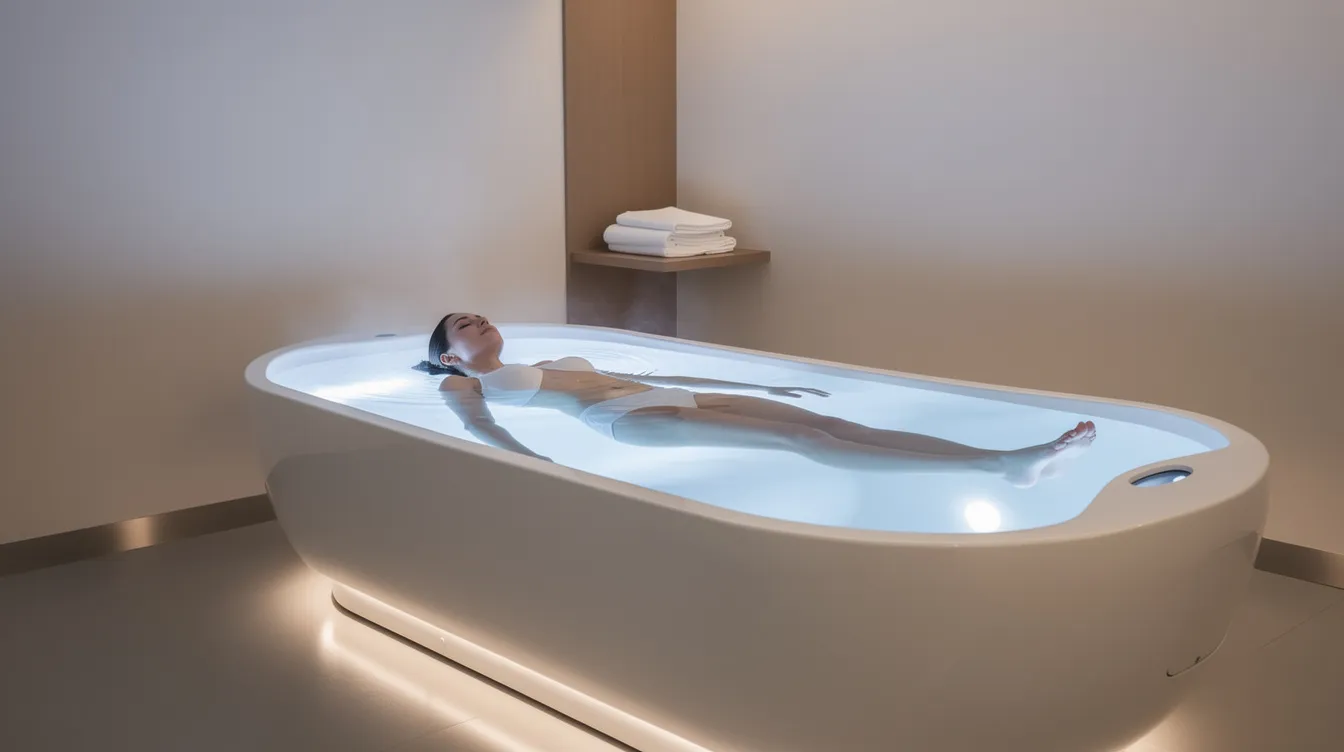
In the first 10 to 15 minutes, the physical sensations are striking. The magnesium sulfate solution holds your body so completely that muscle tension begins releasing on its own. Pressure gradients drop. Your limbs spread. Gradually, the awareness of where water ends and air begins fades entirely.
Mentally, many individuals go through a progression. Initial fidgeting (“Am I doing this right?”). Maybe some claustrophobic thoughts. Then thoughts slow down. Time perception distorts. Minutes might feel like hours, or an entire session passes in what feels like fifteen minutes. Some people experience brief dreamlike imagery or subtle visual patterns behind closed eyes.
When the session ends, soft music and dim light return. You exit carefully, shower off the salt, and step back into the world. Colors often seem brighter. Sounds feel crisper. There’s a heightened sense of everything around you, as if someone turned up the contrast on ordinary life.
Common First-Time Reactions and How to Handle Them
First floats are rarely the serene, transcendent experience people imagine. They’re often revealing in a different way: you discover how tense your shoulders have been for months, how loud your own thoughts are, or how uncomfortable stillness actually feels.
Common reactions include:
- Fear of the lid closing or the environment feeling too enclosed (claustrophobia may be triggered in enclosed sensory deprivation tanks)
- Worry about drowning, despite extreme buoyancy making it nearly impossible to sink
- Sudden awareness of chronic neck and shoulder tension
- Racing, repetitive thoughts, similar to lying awake at night
Practical coping tips: leave the tank lid partially open, keep a dim interior light on, use a neck pillow, focus on slow nasal breathing for the first five to ten minutes, and remind yourself you can exit at any time. A shorter session of 45 minutes is perfectly fine for a first float.
Less discussed but normal: mild sexual arousal from heightened interoceptive awareness, a feeling of drifting or spinning from muted vestibular input, or slight burning in pores. All transient, all manageable.
Documented Benefits: Deep Relaxation, Pain Relief, and Beyond
Research into flotation therapy stretches back decades, with numerous studies using sessions of 45 to 60 minutes, one to two times per week, over several weeks. The findings, while still evolving, point to some genuinely beneficial outcomes.
Physical benefits: Floating promotes deep relaxation and stress relief. Floating reduces cortisol levels, which is the stress hormone, and benefits of sensory deprivation include relief from chronic pain and lowering stress. Sensory deprivation triggers deep relaxation and lowers stress hormones. Studies show reduced blood pressure, slower breathing, and increased parasympathetic nervous system activity. Floating helps in managing physical pain and promoting muscle recovery, with athletes using float tanks between training sessions for faster recovery. Pain relief from conditions like fibromyalgia and tension headaches has been reported across multiple trials.
Psychological benefits: A 2018 open-label study of roughly 50 participants with anxiety and depression found that one-hour float sessions produced large reductions in state anxiety. Sensory deprivation may alleviate symptoms of anxiety and depression. Floating can improve sleep quality by reducing anxiety, and a systematic review of flotation REST and sleep consistently found improvements in self-reported sleep quality across the majority of studies. Many individuals report improved sleep and a calmer baseline mood after a course of 8 to 12 sessions. For office workers and caregivers dealing with chronic life issues, the reduction in stress reactivity can feel like a genuine reset.
Cognitive and creative gains: Sensory deprivation can enhance creativity and problem-solving abilities. Reduced sensory input can enhance creativity by removing daily distractions. Artists, founders, and programmers have reported using float sessions before major projects to gain mental clarity, fresh perspectives on complex problems, and renewed motivation.
Here’s an important note: benefits tend to accumulate. The first float is often mainly about learning to be comfortable. Noticeable changes in sleep, focus, or pain levels are more commonly reported after several sessions spread across four to six weeks.
Mind-Body Connection and Meditation in the Tank
Sensory deprivation tanks naturally encourage a stronger mind body connection because there are fewer external distractions than in typical meditation settings. No phone, no background noise, no visual clutter. Just you and your breath.
Many regular floaters treat sessions as a meditation practice: scanning bodily sensations from toes to head, noticing heartbeats, or observing breath as the primary anchor in a relaxing, completely dark environment. Sensory deprivation tanks promote the Theta State by minimizing stimuli. The Theta State occurs at 4 to 8 Hertz, a brainwave band associated with deep relaxation, vivid imagery, and intuitive insights. Theta State enhances creativity and problem-solving abilities, and individuals report breakthrough insights while in the Theta State. The Theta State allows access to deeper subconscious layers, which is why some people find themselves processing breakups, reflecting on career direction, rehearsing difficult conversations, or simply watching thoughts pass without reacting.
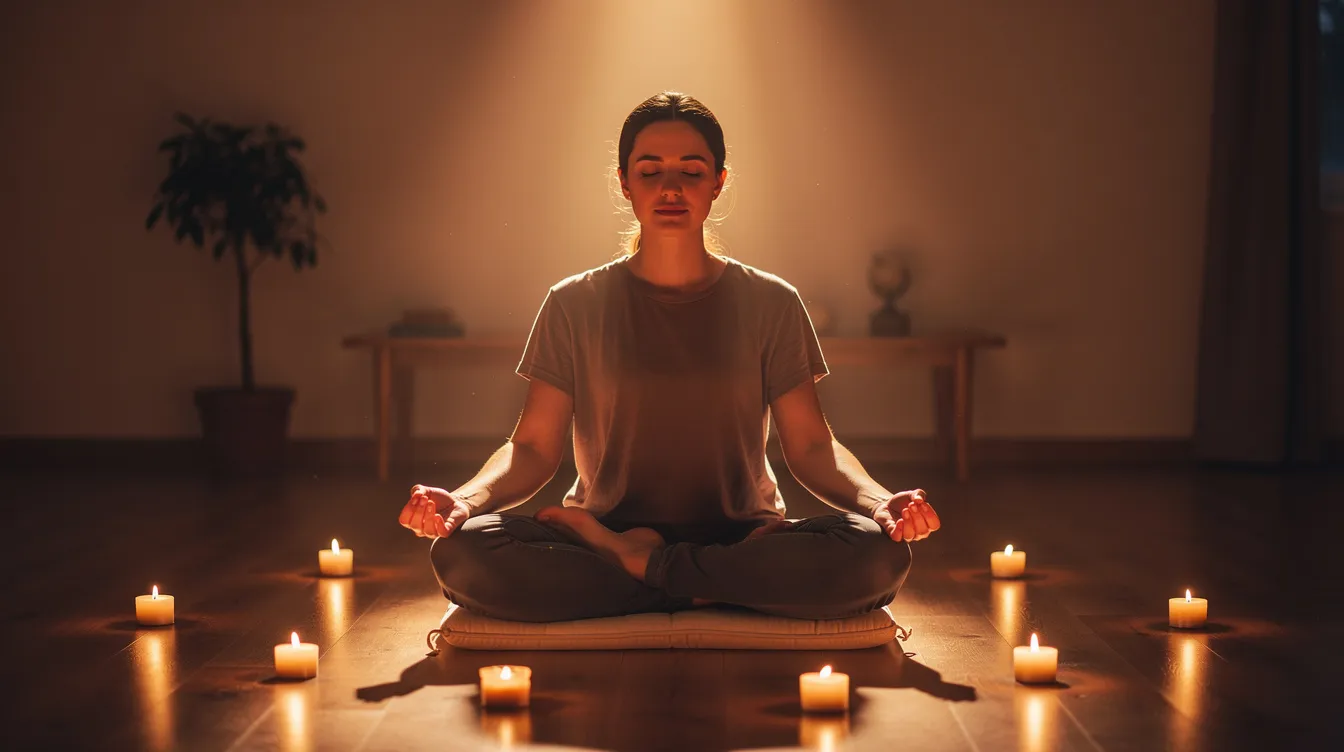
People who already meditate often find float sessions deepen their practice, while beginners may discover that the tank is an easier gateway than sitting upright in a busy home trying to ignore the dishwasher.
Risks, Limits, and Misuses of Sensory Deprivation
While float tanks used as intended are generally safe for healthy adults, sensory deprivation as a broader concept carries serious risks when extended, uncontrolled, or used without consent. It’s worth being honest about this.
Common mild side effects from commercial sessions include transient dizziness when standing, skin dryness from salt, ear canal irritation if not properly dried, and anxiety in people with claustrophobia. Groups that should consult a medical professional first include those with uncontrolled epilepsy, severe skin conditions, open wounds, psychosis, or active substance intoxication.
The picture changes dramatically with extreme or long-term deprivation. Long-term sensory deprivation can lead to depression or anxiety. Laboratory studies from the 1950s and 1960s showed that hours to days in featureless environments produced hallucinations, time distortion, irritability, and depressed mood. One study with 134 subjects confined up to 72 hours under varying degrees of complete sensory deprivation found significant disturbances of affect and cognition. Sensory deprivation can impair the ability to distinguish pain from pleasure. Emotional damage from sensory deprivation can exceed trauma effects when exposure is prolonged and involuntary.
Ethically, sensory deprivation has been used as part of interrogation and torture protocols. Multiple legal rulings have described such methods as inhuman or degrading treatment. The difference between a 60-minute float session where you can leave anytime and indefinite forced isolation is not a matter of degree. It’s a matter of kind.
Short term sensory deprivation in a controlled, consensual setting is fundamentally different from these harmful contexts. Consent, time limits, and the ability to stop at any moment are what make the difference.
The Science Behind Floating: REST, Brain, and Behavior
Flotation REST is a well-studied but still evolving field, with research conducted in universities and clinics across North America and Europe since the late 20th century. The body of evidence is encouraging, though honest researchers will tell you it’s not yet definitive.
Here’s what we understand about the mechanism: reducing sensory load shifts the nervous system from sympathetic (fight-or-flight) activation toward parasympathetic (rest-and-digest) dominance. A 2022 study of 90-minute sessions found significant decreases in both systolic and diastolic blood pressure, reduced breathing rate, and increases in high-frequency heart rate variability, a marker of parasympathetic activity. The positive effects on the brain and body are measurable.
Representative findings across studies include moderate treatment effects for anxiety and stress, modest improvements in chronic pain scores, and evidence for better sleep and reduced blood pressure after a series of floats. A 2024 randomized controlled trial with 75 anxious and depressed participants found that six flotation tank sessions were feasible, safe, and well tolerated.
Flotation REST contrasts with chamber REST. The former involves Epsom salt water, weightlessness, and shorter periods. The latter uses a bed in a dark, sound-reduced room for sessions sometimes lasting up to 24 hours, occasionally with stronger psychological impact. Researchers have also explored REST for behavior change, pairing float sessions with counseling for smoking cessation and alcohol reduction programs.
Key limitations remain: small sample sizes, variations in tank setup and session length, and limited long-term follow-up. Cautious optimism, not overblown health claims, is the appropriate stance.
Hallucinations, Altered Perception, and the Brain’s “Filling In”
When normal sensory input drops significantly, the brain doesn’t simply go quiet. It sometimes starts generating its own patterns. Hallucinations may occur in individuals prone to them during sensory deprivation. Typical experiences include seeing geometric shapes, faces, or flashes of light in the dark, hearing phantom sounds, or feeling as if the body is stretching or spinning.
In short commercial sessions, intense hallucinations are uncommon in healthy users. When unusual perceptions do occur, they’re typically brief and more curious than distressing. Research suggests these phenomena relate more to attention and expectation than to pathology. They’re part of the spectrum of altered states that can arise when the brain is free from usual sensory tasks, not a guaranteed or required part of the experience.
From Tanks to Thought Experiments: Sensory Deprivation and Philosophy
There’s something striking about how a high-tech float pod connects to questions philosophers have been asking for a thousand years.
In the 11th century, the philosopher Avicenna (Ibn Sīnā) proposed a thought experiment: imagine a person suspended in air, deprived of all sensory input, unable even to feel their own limbs. Avicenna argued this person would still know they exist, suggesting consciousness is independent of physical sensations.

Modern float tanks aren’t complete sensory deprivation. You still hear your heartbeat, feel your breath, sense the water against skin. But many floaters report something that echoes Avicenna’s insight: a sense of awareness that feels separate from ordinary body concerns, a quieter form of consciousness that’s always been there underneath the noise. Contemporary cognitive scientists use controlled deprivation to test ideas about selfhood and where the sense of “I” resides when most stimuli are stripped away.
For some people, the deepest benefit of regular floating isn’t ultimate relaxation or pain relief. It’s a subtle shift in how they experience themselves: less entangled with constant noise, more rooted in a quieter, observing presence. That’s where the transformative power of this practice lives, and where self reflection becomes something more than just a buzzword. It becomes a transformative experience.
Practical Guide: Trying a Sensory Deprivation Tank for Yourself
If you’re ready to discover what happens when you reduce stress and step away from external stimuli, here’s how to approach your first float with confidence.
Choosing a center: Look for clean facilities with clear hygiene protocols (UV filtration, trained staff), transparent pricing, and policies that let you choose your session length. Think of it like choosing a place for any wellness practice: the environment matters.
Preparation tips:
- Avoid caffeine and heavy meals for 2 to 3 hours before
- Skip shaving the same day to minimize salt sting
- Remove contact lenses
- Bring a comb and moisturizer for post-float comfort
- Consider the float similar to a visit to the Dead Sea: the salt water supports you completely, but your skin will want care afterward
What to expect on your first visit: Arrive 15 to 20 minutes early, sign a waiver, get a quick walkthrough, shower, float for 45 to 60 minutes, shower again, then sit in a lounge area to slowly re-adapt to light and sound. The whole experience, including fun exercises in stillness you didn’t know you needed, takes about 90 minutes total.
Commit to a short series. Three to five floats over four to six weeks gives you a realistic sense of whether floating supports your well being and overall well being. Judging the entire practice from one session is like judging meditation after sitting once for five minutes. The learning curve includes getting comfortable with silence, darkness, and your own thoughts.
Sensory deprivation isn’t about escaping your life. It’s a structured way to step back from constant sensory stimulation, reconnect with the mind body connection you’ve been too busy to notice, and relieve stress in a way that feels less like another task and more like coming home to yourself. What surfaces in the quiet might surprise you. Approach it with curiosity, not expectations, and see what you find.
About the Author: Gareth Redfern-Shaw

Share This Story, Choose Your Platform!
Related Articles

13 Min Read
336 Views
1 Today
15 Min Read
285 Views
2 Today
6.3 Min Read
174 Views
2 Today