
Introduction: Why Gender and Sexuality Spectrums Matter for Consent Culture
Understanding the spectrum of gender and sexuality is not about memorizing every possible label. It is about relating to each person with less assumption, more care, and better consent. When we slow down enough to ask, listen, and respect how someone describes themself, we make room for autonomy.
For a long time, many people were taught a binary system: male or female, man or woman, gay or straight. In reality, gender and sexuality are distinct, multi-layered aspects of human identity that exist on broad spectrums rather than strict binaries. The modern understanding of gender moves beyond the traditional gender binary, and the sexuality spectrum refers to the idea that people’s sexual identities and orientations are complex and resist easy classification, allowing for greater fluidity of sexual identity and expression.
A few words will show up throughout this pocket guide. Gender identity is a person’s deeply felt, internal sense of being male, female, a blend of both, or neither. Gender expression is how a person presents their gender to the world through clothing, hairstyles, behavior, and voice. Sexual orientation describes a person’s patterns of emotional, romantic, and sexual attraction. Romantic orientation describes patterns of romantic attraction, dating desire, or emotional partnership. Human sexuality includes all of this, plus desire, behavior, fantasy, relationship structures, and the many ways people define sexuality for themselves.
Here’s the thing: respect matters more than perfect fluency. People get to name their own gender, their own sexuality, and their own boundaries. In Consent Culture, understanding identity reduces entitlement, supports clearer conversation, and helps us build relationships where people are not pressured to explain or prove who they are.

Foundations: Sex, Gender, and Human Sexuality Are Distinct (But Connected)
Understanding the spectrum of gender and sexuality requires distinguishing between biological sex, gender, and sexual orientation. Understanding gender requires separating how we feel, how we present ourselves, and our biology. These different aspects can connect, but they are not the same thing.
Sex Assigned at Birth is the biological status determined by chromosomes, hormones, and anatomical characteristics at birth. Sex assigned is often recorded on birth certificates after someone looks at external genitalia and marks a baby assigned female or assigned male. Anatomical Sex includes the physical traits a person is born with, including chromosomes, hormones, and reproductive organs. Sex refers to the biological characteristics of individuals, including their reproductive anatomy, chromosomes, and hormone levels, and is often mistakenly viewed as a strict binary of male and female. But sex exists with variation across sexes. Intersex people may have variations in sex characteristics that do not fit typical definitions of male or female, and intersex individuals represent about 1.7% of the population, highlighting the complexity of biological sex. Examples can include chromosomal variations such as Klinefelter syndrome or Turner syndrome.
Gender is a socially constructed concept that encompasses the roles, behaviors, and identities that society associates with being male or female, and it exists along a continuum rather than a strict binary. The gender spectrum is an understanding that gender is not binary, female/male, but rather a spectrum of biological, mental, and emotional traits that exist along a continuum. Gender roles and expectations shift across society, culture, family, religion, and time. Two-Spirit roles in many Native nations and Hijra communities in South Asia remind us that the idea of only two genders is not universal.
Concept
What it describes
Why it matters for consent
Biological sex and assigned sex
Physical attributes, chromosomes, hormones, anatomy
Do not assume someone’s body, needs, or medical history
Gender identity
A person’s gender and internal sense of self
Use the words, names, and pronouns a person asks for
Gender expression
How people express gender in the world
Style is not permission, identity, or attraction
Sexuality
Attraction, desire, behavior, and relationship possibilities
Avoid assuming who someone is attracted to or how they relate
Cisnormativity is the structural assumption that everyone is cisgender, positioning it as the default or normal state. Heteronormativity is the institutionalized assumption that heterosexuality is the only natural expression of sexuality. Both can make birth based categories feel inevitable when they are not. A 2015 Fusion Millennial poll found that the majority of adults ages 18-34 in the USA see gender as a spectrum, rather than a man/woman binary.
Gender Identity: How We Know and Name Ourselves
Gender identity is about how a person knows themself. A person’s gender identity may be woman, man, nonbinary, agender, genderfluid, something culturally specific, or something words do not fully capture. A person does not need surgery, hormones, legal documents, or anyone else’s approval to identify as who they are.
Cisgender refers to people whose gender identity aligns with the sex they were assigned at birth. Transgender refers to people whose gender identity differs from the sex they were assigned at birth, and transgender people may or may not medically transition. Trans people are not required to prove their identity to deserve respect. Non-Binary is an umbrella term for identities that fall outside the male-or-female binary; non binary people may feel between genders, beyond genders, connected to more than one gender, or not represented by the binary at all. Agender refers to people who feel a complete absence of gender or identify as having no gender. Genderfluid refers to people whose gender identity changes or shifts over time.
Research indicates that gender identity is not confined to a binary, girl/woman or boy/man, and can change over time, existing along a continuum. For example, someone may think, “I’m a tomboy girl,” at 16, identify as a queer woman at 21, and later say, “I’m nonbinary,” at 25. That change does not make any earlier identity fake. Sometimes language catches up to a life that was already being lived.
Gender Dysphoria is the clinically significant distress or discomfort some individuals experience when their gender identity conflicts with their assigned sex. Not every transgender or nonbinary person experiences dysphoria, and lgbtq mental health should never be reduced to suffering. Still, being seen and respected often makes conversations about touch, visibility, names, sex, and boundaries safer.
Gender Expression: How Gender Shows Up in the World
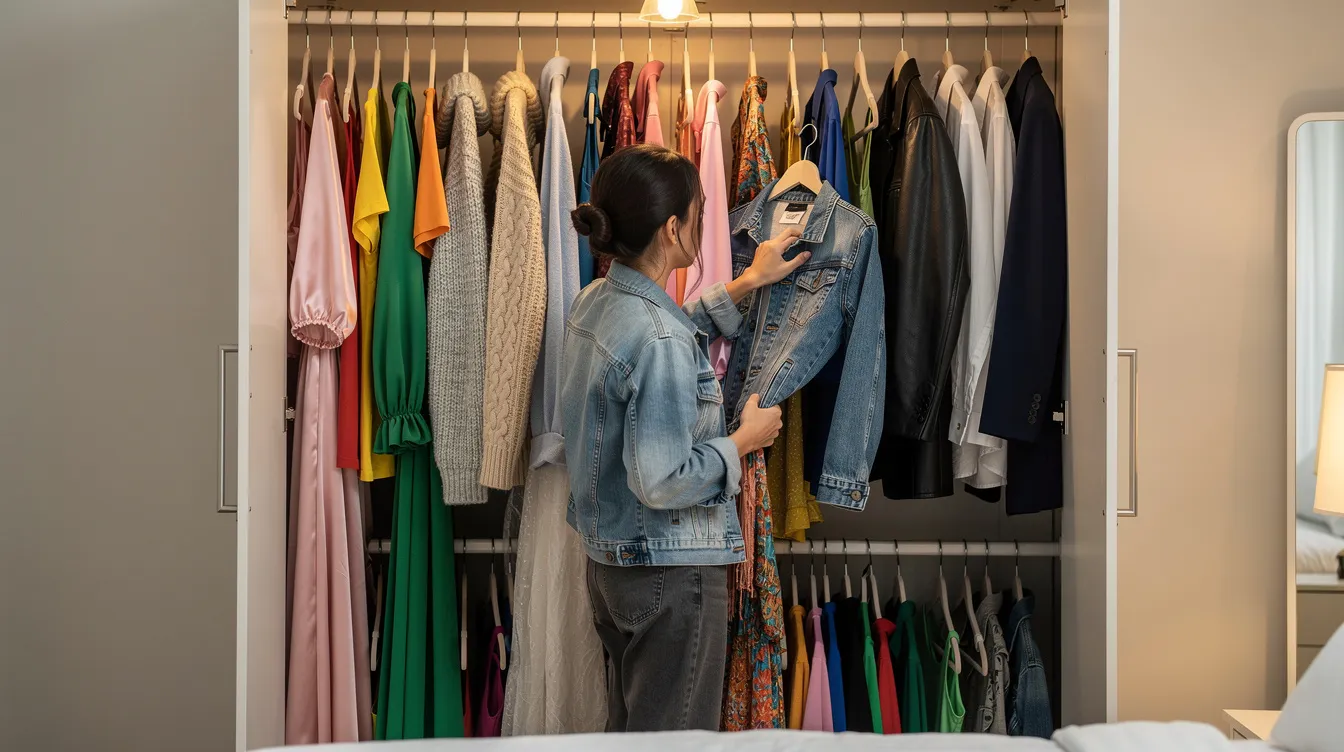
Gender expression is the outward way gender may be communicated or read: clothing, hairstyle, grooming, pronouns, body language, voice, names, posture, and behavior. A person may present as feminine, masculine, androgynous, mixed, playful, subtle, or context dependent.
That expression does not tell you everything. A cisgender man can love makeup. A lesbian can express femininity. A nonbinary person can wear suits. Gay men can be masculine, feminine, both, or neither. Women can be butch, femme, androgynous, or something else entirely. Girls and boys are often pressured into gender roles long before they can consent to those expectations.
This is where consent becomes practical. You cannot assume how to flirt with, touch, joke about, or refer to someone based on clothes or style. If pronouns are relevant, try: “If you’d like to share pronouns, mine are she/her.” If you make a mistake, correct it simply: “Sorry, they,” and move on. Repair does not need a performance.
Sexual Orientation and Romantic Orientation: Attracted to Whom, and in What Ways
Gender identity is who someone is. Sexual orientation and romantic orientation are about who someone may be attracted to, and in what ways. Sexual attraction, romantic attraction, emotional attraction, and behavior can overlap, but they do not always match neatly.
Heterosexual describes attraction to a different gender. Homosexuality refers to enduring emotional, romantic, or sexual attraction to people of the same gender, and many people use gay or lesbian instead of homosexual in everyday language. Bisexuality describes someone who is attracted to more than one gender. Pansexuality describes attraction to people regardless of their gender identity. Queer is a broad term used by individuals whose sexual orientation or gender identity is not exclusively heterosexual or cisgender. Asexuality is a spectrum of orientations characterized by a general lack of sexual attraction to others, or a low interest in sexual activity. Asexuality can also be described along a spectrum, with individuals experiencing varying degrees of sexual attraction, including graysexual and demisexual identities.
The Split Attraction Model describes how romantic attraction and sexual attraction do not always align. Someone might be asexual and biromantic, aromantic and bisexual, heteroromantic and graysexual, or unsure. These sexual identities are not loopholes or contradictions. They are ways people find language for real experience.
Large-scale studies have supported the idea that broad terms for sexual orientation can be misleading, and that people often have sexual orientation ranges rather than fixed orientations. The Kinsey Scale, developed in 1948, proposed a scale from zero to seven to describe sexual orientation, with zero being exclusively heterosexual and seven being exclusively homosexual. The Klein Sexual Orientation Grid, published in 1978, rates seven aspects of sexual orientation/identity from one to seven, allowing individuals to assess their sexual orientation across different dimensions. These tools helped move the conversation toward spectrum thinking, though no scale can fully describe a whole person.
Fluidity, Change, and Not Knowing Yet
For a lot of people, identity becomes clearer slowly. Someone might identify as straight in high school, bisexual in college, queer later, and eventually choose no label at all. That is not automatically confusion, attention seeking, or dishonesty. Sometimes both things are true: a label was honest then, and a different label is honest now.
Some people prefer broad words because privacy matters. Others use precise labels because specificity brings relief. Some are questioning and need time. If you are exploring, low pressure options can help: journaling, reading LGBTQ+ authors, attending affirming community events, or working with LGBTQIA+-competent support when that is accessible.
No one owes disclosure to be treated with dignity. You do not need to know someone’s sexual identity to respect their boundaries.
Beyond Labels: Identity, Culture, and Intersectionality
LGBTQ+ is an evolving acronym standing for Lesbian, Gay, Bisexual, Transgender, Queer/Questioning, Intersex, Asexual, and others. Much modern LGBTQIA+ language grew through Western movements, including Pride organizing in the 1960s and 1970s, but gender and sexuality diversity did not begin there.
Many cultures have long recognized more than two genders or non-heteronormative roles. Two-Spirit is used by some Indigenous people in North America, with meanings that vary by nation and community; it is not a term for non-Indigenous people to adopt casually. Hijra communities in India, Pakistan, and Bangladesh have specific histories. Fa’afafine in Samoa and Māhū in Hawaiʻi are additional examples of identities with cultural roots, not aesthetic labels to borrow. The Indian Health Service offers a helpful overview of Two-Spirit identity.
Intersectionality is a framework for analyzing how overlapping identities interact to create unique systems of privilege or discrimination. Race, disability, class, immigration status, religion, family dependence, and geography can all shape whether it feels safe to name gender identities or sexual identities out loud. An ally refers to any person who supports, affirms, and advocates for the rights and safety of LGBTQ+ individuals. In practice, allyship often means being patient, not intrusive, and willing to challenge harm without making yourself the center.
Common Myths and Misconceptions About Gender and Sexuality
Myth: “There are only two genders.”Fact: The world contains many genders, and many societies have recognized roles outside a strict gender binary. Biological sex also includes intersex variation, so even sex is not as simple as two fixed boxes.
Myth: “Sexual orientation is chosen.”Fact: People may choose labels, relationships, or behaviors, but attraction is not usually experienced as a simple decision. The better question is not “Why are you this way?” but “How can I respect what you have told me?”
Myth: “Being transgender or nonbinary is a trend.”Fact: Transgender, nonbinary, genderfluid, and culturally specific gender identities have existed across history. More visibility does not mean new invention; often it means more people have words and community.
Myth: “Bi and pan people are really gay or straight.”Fact: Bisexual and pansexual identities are valid. Being attracted to multiple genders does not disappear because someone is dating one person.
Myth: “Asexual people just have not met the right person.”Fact: Asexual people may or may not want romance, touch, sex, partnership, or none of those. Respect means believing people when they describe their own experience.
Dismissing identity undermines consent because it replaces someone’s self-definition with your assumptions.
Practicing Respect: Language, Pronouns, and Everyday Consent
Respectful language is not extra politeness. Names, pronouns, and identity words are part of how people are recognized. The American Psychiatric Association notes the importance of distinguishing gender identity and gender expression, and in everyday life that distinction matters because people are harmed when others decide who they “really” are.
Try these scripts:
- “If you’d like to share pronouns, mine are they/them.”
- “What name would you like me to use in this space?”
- “I’m sorry, he. I’ll correct that.”
- “Thank you for trusting me. Do you want me to use this label with others, or keep it private?”
Understanding gender identity and sexual orientation does not entitle anyone to private information. Do not ask about genitals, surgeries, trauma, sex lives, or why someone identifies a certain way unless they clearly invite that conversation. Do not out someone without consent. Check before using labels for someone in a group. Identity information belongs to the person who lives it.
Building Safer, More Affirming Relationships and Communities
Safer communities are built through repeated small choices. Forms can include more than “male” and “female.” Workplaces, families, kink spaces, poly communities, and friend groups can offer pronoun options without forcing disclosure. All-gender restrooms and clear policies against harassment and misgendering reduce pressure on people who already carry extra risk.
Relationship check-ins can include identity with care: “Are there any changes in how you want me to refer to your gender or orientation?” “Are there words that feel affirming or words you want me to avoid?” “Is this something you want kept between us?” These questions support emotional safety because they treat identity as consent-based, not public property.
Keep learning from trans, queer, intersex, asexual, bisexual, pansexual, and nonbinary educators and writers. But remember: you do not need to understand every term before you treat a person well. Curiosity with consent, respect for self-definition, and willingness to listen are at the heart of both identity literacy and Consent Culture.

About the Author: Gareth Redfern-Shaw

Share This Story, Choose Your Platform!
Related Articles

0.5 Min Read
38 Views
0 Today

0.5 Min Read
228 Views
0 Today

0.6 Min Read
220 Views
1 Today