
Mental health and sexual wellness are deeply intertwined, yet most of us have been taught to treat them as separate concerns, if we talk about them at all. The reality is that mental health and sexual health share the same neurological pathways, the same hormones, and often the same emotional landscape. When one suffers, the other usually follows. Sexual dysfunction, including erectile dysfunction and decreased sexual desire, can both stem from and intensify mental health problems like anxiety and depression. And the reverse is equally true: ongoing sexual difficulties can erode a person’s mental health over time, feeding cycles of shame, withdrawal, and despair.
For clarity, mental health refers to our emotional, psychological, and social well-being. It shapes how we think, cope with stress, relate to others, and make choices. Sexual wellness goes beyond the absence of disease. It includes pleasure, consent, safety, sexual satisfaction, and the freedom to engage in sexual life without coercion or dysfunction. Both are fundamental to quality of life.
The numbers are striking. Roughly 31% of men and 43% of women experience some form of sexual dysfunction. About 10% of the population suffers from episodic depression. Mental health and sexual wellness have a bidirectional relationship, meaning that mental health issues can interfere with sexual desire and function, and sexual problems can deepen psychological distress. Yet stigma keeps many people silent, with fewer than 10% of women with sexual dysfunction ever raising the issue with a physician, and many men suffering in quiet frustration for years before seeking help.
This article explores how mental health shapes sexual health, how sexual problems harm mental well-being, the biological machinery connecting them, and practical steps you can take to address both.

How Mental Health Shapes Sexual Health and Functioning
Think of this as the “top-down” effect. Your thoughts, emotions, and psychiatric conditions directly shape your capacity for sexual desire, arousal, and satisfaction. This is not a character flaw or a failure of willpower. It is neurobiological reality.
High stress affects the brain’s neurophysiology, impairing sexual arousal in measurable ways. Chronic stress keeps cortisol elevated and the body locked in fight-or-flight mode. In that state, the nervous system prioritizes survival over pleasure. Blood flow is redirected away from genital tissue. Libido drops. Orgasm becomes harder to reach or disappears entirely. For men, this can contribute to erectile dysfunction. For women, it often manifests as difficulty with lubrication, arousal, or relaxation during sex.
Depression and anxiety are linked to reduced libido and sexual dysfunction across all genders. Depression’s hallmark symptom, anhedonia (the inability to feel pleasure), doesn’t stop at food or hobbies. It reaches into the bedroom, making sex feel like obligation rather than connection. About 10% of the population experiences episodic depression, and within that group, sexual symptoms are remarkably common.
Anxiety is a significant factor in erectile dysfunction, and performance anxiety is a common cause of erectile dysfunction in particular. Anxiety can disrupt sexual arousal and erection maintenance through a mechanism that is almost cruelly self-reinforcing: the more someone worries about performing, the less their body cooperates, which generates more worry. For women, anxiety often shows up as muscle tension, difficulty with lubrication, and painful intercourse.
Other mental health conditions, including post traumatic stress disorder, OCD, bipolar disorder, ADHD, and eating disorders, can alter sexual behavior in complex ways, from avoidance and shutdown to hypersexuality and compulsive patterns. These experiences often carry layers of shame and confusion that make them harder to talk about.
Medication side effects can impact sexual function due to chemical changes in the brain. SSRIs, some SNRIs, and certain antipsychotics are well-documented contributors to low libido, delayed orgasm, and erectile difficulties. A recent meta-analysis found that SSRIs increased the risk of orgasmic dysfunction more than threefold compared to placebo. These side effects should be discussed with clinicians rather than silently endured, because alternatives and adjustments often exist.
Specific Mental Health Conditions and Their Sexual Effects
Not everyone with a mental health condition will experience sexual issues. But the risk is significantly higher than in the general population, and understanding the specific patterns can help people recognize what is happening and seek appropriate support.
Depression
Depression can reduce libido and sexual arousal across all phases of the sexual response cycle. In men, erectile dysfunction rates may reach 90% in severely depressed individuals. Women with depression are more likely to feel undesirable and report difficulty becoming aroused or reaching orgasm. Depression increases the risk of chronic sexual pain in women by three times, adding a physical dimension to an already painful emotional experience. Some people also experience postcoital dysphoria, a wave of sadness, irritability, or emptiness after sex that feels baffling and isolating.
What this often looks like in practice: a woman in her thirties who has been managing depression for years notices that she has lost almost all interest in sex. She feels guilty about it, worries her partner interprets it as rejection, but lacks the energy to explain something she does not fully understand herself. The distance grows quietly.
Anxiety Disorders
Anxiety affects nearly 37% of men with erectile dysfunction, making it one of the most prevalent overlapping conditions. The mechanism is almost paradoxical: anxiety floods the body with adrenaline and tension, the exact opposite of what arousal requires. Anticipatory worry, negative self-talk, and hypervigilance about bodily responses interrupt the relaxation needed for pleasure. Women with anxiety may experience difficulties with arousal and orgasm, often feeling “stuck in their head” during sex rather than present in their body.
PTSD and Trauma Histories
Sexual trauma can lead to long-lasting mental health issues like PTSD, and those effects frequently surface during intimacy. Survivors may experience triggers, flashbacks, dissociation, or an overwhelming need to control every aspect of a sexual encounter. Some oscillate between avoidance and compulsive sexual behavior as competing coping strategies.
The statistics here are sobering. About 6 in 10 men experience at least one trauma in their lives. One in 6 men have been sexually abused or assaulted, a fact that remains profoundly under-discussed. Trauma can lead to erectile dysfunction in male survivors, and negative sexual experiences can lead to anxiety and depression regardless of gender. For anyone who has been sexually abused, the path back to safe, pleasurable intimacy often requires specialized, trauma-informed support.
Consider a man in his forties who survived childhood sexual abuse and has never told anyone. He experiences unpredictable erectile dysfunction and occasionally dissociates during sex with his partner. He interprets this as evidence that something is fundamentally wrong with him, rather than recognizing it as a trauma response. The shame keeps him from seeking help.
Serious Mental Illness
Bipolar disorder creates its own distinctive pattern: during depressive episodes, sexual desire can vanish entirely; during manic phases, hypersexuality and risky sexual behavior may emerge, sometimes followed by intense guilt. Medications used to treat psychotic disorders frequently elevate prolactin levels, causing further libido suppression and sometimes genital numbness. In these cases, antipsychotic medications can worsen psychotic symptoms indirectly if sexual side effects cause patients to stop taking them, and finding the right medication balance becomes critical. Schizophrenia’s negative symptoms, including flat affect and social withdrawal, reduce both desire and opportunity for connection.

When Sexual Problems Harm Mental Health
Now for the “bottom-up” effect. Sexual dysfunction does not just exist in the body. It radiates outward into self-concept, relationships, and emotional stability. Sexual dysfunction can affect intimacy and trigger emotional withdrawal, even in relationships where both partners genuinely care for each other.
Erectile dysfunction is a clear example. One isolated episode, maybe during a stressful week or after too much alcohol, can spark performance anxiety. That anxiety makes the next encounter harder. A pattern forms: avoidance, dread, shame. Persistent sexual challenges can lead to diminished self-worth and performance anxiety that become self-sustaining, even after the original cause has resolved.
For women, low libido, arousal difficulties, and orgasm problems can generate frustration, self-blame, and conflict with partners, especially when a partner misreads the situation as personal rejection. The struggle for sexual satisfaction can worsen existing mental health issues. Over time, the silence around these experiences compounds the distress.
Chronic pain conditions like vulvodynia, dyspareunia, pelvic floor dysfunction, and prostatitis add another layer. When sex physically hurts, the body learns to anticipate pain, creating anxiety and avoidance that can persist long after the original condition improves.
There is also the identity dimension. Many people, consciously or not, tie their worth to sexual performance or fertility. Erectile dysfunction in men can feel like a failure of masculinity. Women may feel less desirable or feminine. Ongoing sexual dysfunction can significantly affect emotional and psychological well-being, sometimes leading to social withdrawal, relationship breakdown, or depressive episodes.
Secrecy makes all of this worse. Because of embarrassment or the belief that sexual problems are “just part of aging,” many people delay seeking care for months or years. That delay allows both the sexual dysfunction and the mental health consequences to become more entrenched.
The Vicious Cycle: Sexual Dysfunction and Emotional Distress
Here is how the feedback loop typically works:
- An initial difficulty occurs (an episode of erectile dysfunction, pain during intercourse, inability to reach orgasm).
- Anxiety develops around the next sexual encounter. The person begins monitoring their body, worrying about whether it will “work.”
- That anxiety itself disrupts arousal, making the feared outcome more likely. The body tenses. Blood flow shifts. Desire shrinks.
- The negative experience reinforces the fear, creating anticipatory dread that may extend to all forms of sexual intimacy.
- Avoidance begins. The person pulls away from physical affection, not because they do not want closeness, but because they associate it with failure and shame.
- Relationship strain follows. Partners may feel rejected, confused, or resentful. Conflict increases. Emotional intimacy erodes.
- Depressive symptoms and anxiety deepen, further reducing sexual desire and function.
This is why a whole-person approach is vital, because a sexual health diagnosis can trigger anxiety that perpetuates the very problem being treated. Breaking the cycle usually requires addressing both the sexual and emotional dimensions simultaneously, rather than treating one and hoping the other resolves on its own.
The Role of Hormones, Neurotransmitters, and the Body-Mind Link
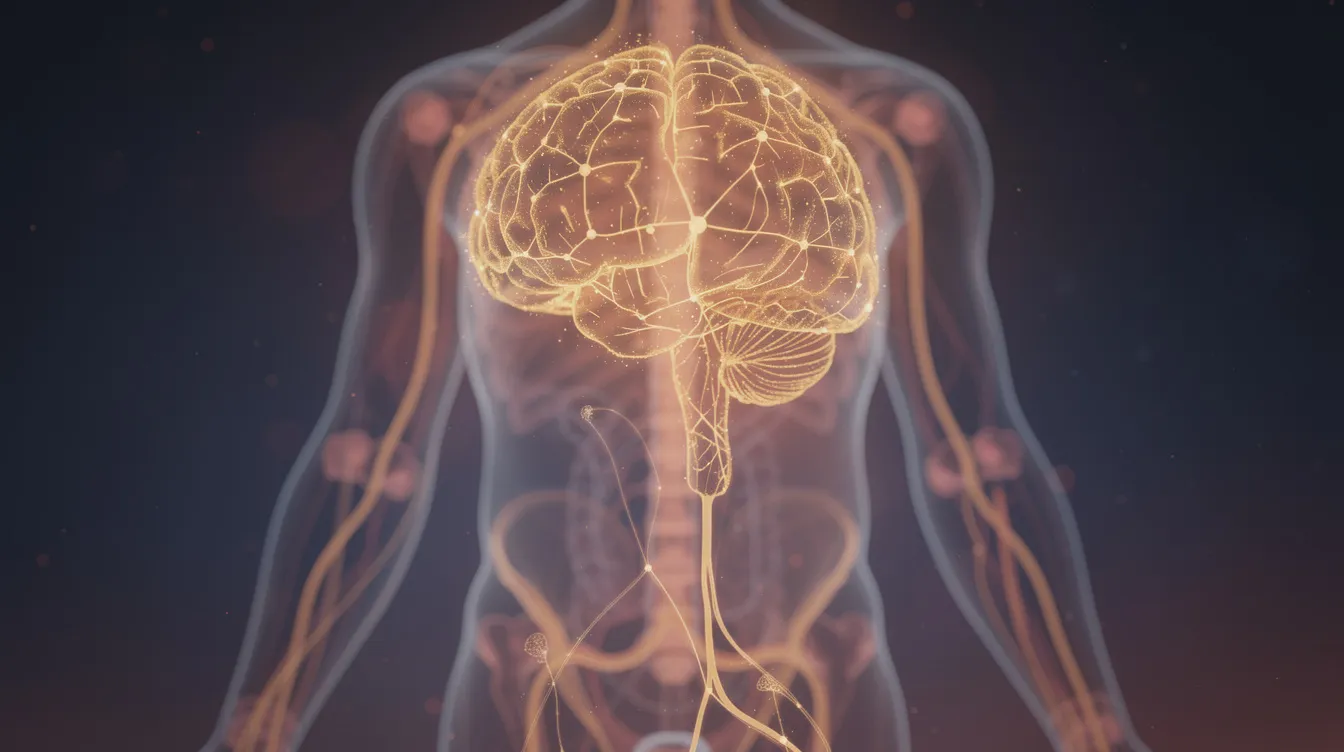
The same brain chemicals and hormones that regulate your mood also govern sexual desire, arousal, and orgasm. Understanding this connection helps explain why mental and sexual health are so inseparable.
Dopamine is central to motivation, reward, and the experience of wanting. When dopamine pathways are disrupted, as in depression or with certain medications, sexual desire can flatline. This is not about willpower or attraction to a partner. It is neurochemistry.
Serotonin plays a complex role. It supports mood stability, which is why SSRIs work for depression and anxiety. But elevated serotonin levels tend to suppress sexual desire, delay orgasm, and sometimes prevent orgasm entirely. Serotonin’s inhibitory effect on dopamine is a major reason why these medications cause sexual side effects.
Testosterone and estrogen influence libido in all genders. In men, low testosterone correlates with reduced desire and can contribute to erectile dysfunction. In women, falling estrogen during menopause and perimenopause is associated with vaginal dryness, decreased sexual desire, and painful intercourse.
Oxytocin and endorphins, released during affectionate touch and orgasm, promote bonding, relaxation, and pain relief. Physical intimacy can lower cortisol levels and reduce stress, creating a positive feedback loop. Satisfying sexual activity releases endorphins and oxytocin, combating stress and reinforcing emotional connection. This is the biological basis for why positive sexual health is correlated with higher quality of life and lower depression rates, and why positive sexual experiences can significantly improve mental well-being.
Medical conditions like diabetes, cardiovascular disease, and obesity can impair blood flow, nerve function, and hormone balance simultaneously, threatening both sexual function and mental health. These conditions deserve integrated care rather than siloed treatment.
Medication Side Effects and Sexual Function
Medications used for mental health conditions, particularly SSRIs, SNRIs, antipsychotics, and mood stabilizers, commonly affect sexual function. The most frequently reported side effects include:
- Decreased libido
- Delayed orgasm or anorgasmia
- Erectile dysfunction
- Genital numbness
- Reduced sexual satisfaction
Not all medications carry the same risk profile, and alternatives or dose adjustments often exist. Pharmacovigilance data show that different SSRIs and SNRIs produce different patterns of dysfunction. Some newer agents, like bupropion or vortioxetine, may carry lower sexual side-effect burdens.
The critical message: do not stop medication abruptly. Doing so can trigger withdrawal symptoms and psychiatric relapse. Instead, bring these concerns to your prescriber. A collaborative conversation might lead to a dose adjustment, a switch to a different medication, or the addition of an agent that offsets sexual side effects.
Here is a scenario: a 34-year-old man on sertraline for generalized anxiety notices he can no longer reach orgasm. He feels embarrassed and considers stopping the medication on his own. Instead, he brings it up with his psychiatrist, who switches him to a medication with a lower risk of orgasmic dysfunction. Over the next two months, his anxiety remains well-managed and his sexual functioning improves significantly. That conversation, uncomfortable as it felt, changed the trajectory of both his mental health and his sexual life.
Gender, Identity, and Relationship Contexts
Sexual wellness does not exist in a vacuum. It is shaped by gender, sexual orientation, cultural norms, and the quality of the relationships people are in.
Cultural norms can lead to feelings of guilt and shame about sexuality. Messages like “men must always want sex” or “women shouldn’t enjoy it too much” create rigid scripts that leave little room for authentic desire, honest communication, or vulnerability. Cultural attitudes influence perceptions of sexual health and wellness in ways that often go unexamined, making it harder for people to recognize when they need support.
LGBTQ+ individuals face unique challenges due to societal stigma. Discrimination, internalized homophobia or transphobia, fear of rejection, and lack of representation in sexual health research all compound the stress of navigating both mental and sexual health. Experiences of sexism, homophobia, transphobia, and racism accumulate as chronic stress, reducing sexual interest and increasing the risk of anxiety disorders and depression. Houston has community centers that focus on the intersection of minority stress and queer sexual wellness. The Montrose Center offers holistic health services for the LGBTQIA+ community, providing a model of integrated care that addresses both sexual and mental health in culturally competent ways.
In heterosexual relationships, unspoken expectations about who initiates sex, how often it “should” happen, and what constitutes “good” performance create pressure that undermines genuine connection. In queer relationships, unique dynamics around disclosure, navigating different levels of outness, and finding affirming healthcare providers all shape sexual experiences and mental well-being.
Across all relationship structures, the fundamentals remain: relationship quality, communication, and trust are central to sexual satisfaction and mental well being. Conflict, betrayal, or emotional neglect often show up first in the bedroom, even before either partner can articulate what is wrong. Healthy relationships require ongoing conversation, not assumption.
Body Image, Self-Esteem, and Sexual Self-Concept
Negative body image and low self esteem make people self-conscious during sex, pulling attention away from sensation and toward surveillance of their own appearance. Research consistently shows that people with more positive body image report higher sexual satisfaction, more frequent orgasms, and greater enjoyment of sexual activities.
A large U.S. study of over 11,000 adults found that body dissatisfaction correlated with poorer sexual enjoyment and feeling less acceptable as a partner. A study of Norwegian women found that body image dissatisfaction predicted more problems with orgasm during both partnered sex and masturbation.
Social media, porn-influenced ideals, and unrealistic beauty standards intensify comparison and performance pressure for all genders. For a lot of people, the critical voice in their head during sex is louder than any physical sensation. This impacts a person’s self esteem and, over time, erodes both sexual confidence and emotional connection.
Cultivating a more compassionate self-view takes practice. Mindfulness during sex, focusing on what feels good rather than how you look, can gradually shift the experience. Some reflection prompts that may help:
- “What do I appreciate about my body’s sensations, not just its appearance?”
- “When do I feel most present and connected during intimacy?”
- “What stories about my body have I internalized that might not actually be mine?”

Improving Both Mental Health and Sexual Wellness: Practical Steps and When to Seek Help
Here is what matters most: sexual dysfunction and mental health challenges are common, treatable, and not a personal failure. 43% of women in the U.S. report sexual dysfunction. Depression affects roughly 10% of the population at any given time. These are not rare experiences. They are part of being human.
Track your patterns. Spend several weeks noticing the relationship between your mood, stress levels, sleep quality, medications, and sexual interest. You may discover connections you had not seen before.
Communicate with your partner. Open, non-blaming conversation about desire discrepancies, pain, or performance worries can relieve enormous pressure. Some starter phrases:
- “I’ve been noticing something about how I feel around sex, and I’d like to talk about it without either of us needing to fix it right away.”
- “This isn’t about you. I’m working through something, and I want us to figure it out together.”
- “Can we experiment with what feels good without any pressure about where it leads?”
Communicating about mental or sexual health concerns can be beneficial not only for the person experiencing difficulty, but for the relationship as a whole.
Pursue evidence-based treatment. A dual approach is often required for treating mental health and sexual dysfunction. Options include:
Concern
Treatment Options
Anxiety or depression affecting desire
CBT, trauma-focused therapy, medication review
Sexual pain conditions
Pelvic floor physical therapy, sexual medicine evaluation
Relationship conflict around sex
Couples therapy, sex therapy
Hormonal issues
Medical evaluation, hormone therapy where appropriate
Trauma responses during intimacy
Trauma-informed therapy (EMDR, somatic experiencing)
Therapy that respects individual autonomy focuses on emotional safety and sexual healing, rather than imposing rigid norms about what sex “should” look like.
Support both domains with lifestyle strategies:
- Regular exercise (improves mood, blood flow, body image)
- Sleep hygiene (poor sleep wrecks both libido and emotional regulation)
- Limiting substance abuse (alcohol and drugs impair sexual function and destabilize mood)
- Stress-reduction practices like mindfulness and breathwork
- Scheduling time for non-sexual intimacy: cuddling, massage, physical affection without expectation
Resources in Houston support the integration of mental health and sexual wellness, and similar resources exist in many communities. The key is bringing both sexual and mental health symptoms into the same conversation with your healthcare providers, rather than treating them as unrelated.
When Professional Help Is Essential
Seek help promptly if you experience any of the following:
- Suicidal thoughts or self-harm
- Sexual pain that is worsening over time
- Sudden loss of erectile function
- Compulsive or risky sexual behaviors that feel out of control
- Trauma responses (flashbacks, dissociation, panic) during sexual activity
- Depressive symptoms or anxiety that persist for more than a few weeks
Encourage yourself to seek comprehensive assessment when sexual dysfunction persists for more than a few months or is causing significant psychological distress, even if you feel embarrassed. The professionals who specialize in this work have heard it all and will not judge you.
Common professional supports include:
- Primary care clinicians
- Gynecologists and urologists
- Psychiatrists
- Psychologists and licensed counselors
- Certified sex therapists trained in sexual medicine
- Trauma-informed counselors
Preparing for your appointment: Write down your symptoms, current medications, and specific questions before you go. Note when symptoms started, what makes them better or worse, and how they affect your interpersonal relationships and daily life. This preparation helps you advocate for yourself even when the conversation feels uncomfortable.

Breaking the Stigma and Moving Toward Integrated, Holistic Care
Mental health and sexual wellness form a feedback loop. Improving one often supports the other. Neglecting either perpetuates suffering that did not need to last as long as it did. Better mental health often leads to better sexual experiences, and fulfilling sexual well being reinforces emotional stability and connection.
Cultural silence and taboo around both topics keep people isolated and delay effective care. Women’s mental health and women’s sexual health remain particularly under-discussed, despite the fact that 43% of women report experiencing sexual dysfunction in the U.S. Men, meanwhile, face pressure to “perform” that makes honest conversation about erectile dysfunction or low libido feel threatening to their identity. Young males are especially vulnerable to these pressures, often lacking role models for open discussion about sexual and mental health.
A more integrated model of care would mean that mental health providers consistently ask about sexual well being, and sexual health providers routinely screen for anxiety, depression, and trauma. A systematic review of current practices suggests we are not there yet, but the mutual development of both fields is accelerating. Healthcare providers who treat psychiatric diseases are increasingly recognizing that sexual concerns are not peripheral but central to recovery and quality of life.
Sexual wellness is a legitimate part of healthcare, not a luxury or purely private issue. You deserve care that addresses psychological factors alongside physical ones, that respects your sexual orientation and identity, and that sees you as a whole person.
Seeking information, talking openly, and asking for help are among the most powerful steps toward a more satisfying, mentally healthy, and sexually fulfilling life. The conversation starts wherever you are right now, and it is worth having.
About the Author: Gareth Redfern-Shaw

Share This Story, Choose Your Platform!
Related Articles

12.8 Min Read
98 Views
0 Today

12.4 Min Read
170 Views
2 Today

8.8 Min Read
148 Views
1 Today