
Erotic photography can be intimate, artistic, playful, romantic, abstract, or deeply personal. These tips for creating erotic photography are not about “sexiness at all costs.” They are about consent, privacy, body autonomy, and emotional safety.
This guide applies whether you are hiring a boudoir photographer, photographing a partner, trying diy boudoir photography, or planning a solo boudoir photoshoot at home in 2026. The goal is not to perform for the camera, but to create images that feel chosen.
Erotic images can feel empowering, vulnerable, risky, affirming, or complicated. A strong boudoir experience begins with minimizing harm and maximizing everyone’s control over their own body and image.
Most importantly: consent to take a photo is not the same as consent to store, edit, share, post, print, or revisit it later.
Defining Erotic & Boudoir Photography in a Consent Culture
Erotic and boudoir photography overlap, but they are not identical. Consent Culture treats both as collaborative creative practices, not as access someone is owed.
According to The Photography Ethics Centre, consent in photography must be informed and ongoing. That matters even more when images reveal body parts, sexuality, or identity markers.
Before the Camera Comes Out: Conversations, Boundaries, and Agreements
Before any boudoir photo shoot, set aside time to talk without a camera in hand. Good communication is essential in boudoir photography, as it helps build trust and makes the model feel more comfortable during the shoot. Good communication is essential for a successful boudoir shoot, as it helps build trust and makes the session run smoothly.
Discuss the creative concept, boundaries, and wardrobe options well in advance of the session. Share mood boards early to ensure all parties are aligned on the aesthetic and emotional tone of the project. Define the mood of the shoot before starting, deciding on themes like romantic or abstract.
Use this checklist:
Establish clear boundaries regarding the level of nudity and poses before the shoot and check in frequently during the session. A boudoir session should also leave room for “no photos today.” For captivating intimate photography, a foundation of trust is essential, allowing individuals to feel safe and in control of their boundaries.
Example dialogue:

Clarifying Consent Around Images (Not Just Activities)
Image consent is separate from sexual consent. Saying yes to touch, cuddling, or a scene does not mean yes to photographing it.
Use specific questions:
Maintain an open dialogue during the session by periodically reviewing images together to ensure comfort with the depiction. Encourage the subject to speak up if they feel uncomfortable with a particular pose or direction.
Create a simple stop phrase such as “camera down” or “no photos.” It should immediately end the shoot, one pose, or the entire series without debate.
Designing the Shoot: Mood, Aesthetic, and Emotional Safety
A good erotic or boudoir photo session starts by asking how everyone wants to feel: playful, powerful, soft, mysterious, romantic, gender-euphoric, or calm. Balancing intimacy with artistic intent relies heavily on lighting, composition, and communication.
Choose private mood-board tools rather than public social feeds. This reduces the chance that sensitive inspiration images resurface through algorithms or accidental sharing.
Concrete concepts help. You might choose “lazy morning in a naturally lit room,” “dramatic silhouettes by window light,” or “gender-affirming portrait photography in a tailored suit and heels.” Avoid moods based on shame: no weight-loss comparisons, no “prove how wild you are,” and no jokes that undermine body confidence.
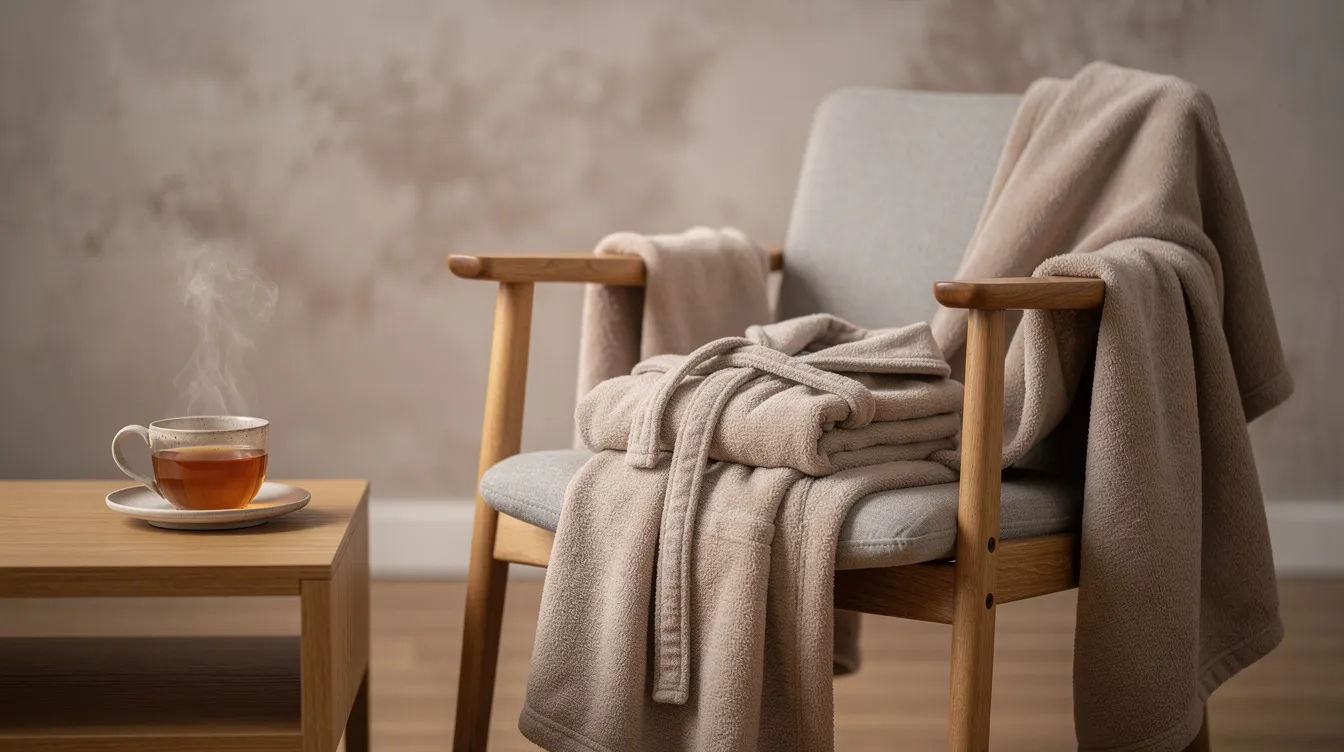
Keep water, snacks, blankets, and a robe nearby. Ensure the studio or location temperature is comfortable for the subject’s attire. Playing music that helps set the desired mood and is agreeable to the subject can help the subject relax. Playing your client’s favorite music during the shoot can help set the mood and make them feel more relaxed and comfortable in front of the camera, and relaxing background music can help subjects feel more at ease in the studio space.
Choosing Location, Props, and Wardrobe With Consent in Mind
Boudoir photography can take place in various environments, including a studio, a client’s home, or a hotel room, with the aim of creating a comfortable and intimate atmosphere for the subject.
Make a written “approved looks” list: “red slip dress on bed,” “bra and jeans by window,” “shirtless in briefs, no frontal nudity.” This keeps the boudoir photo clear and prevents assumptions.
Comfort in Front of the Lens: Body Image, Posing, and Power
Many people feel self-conscious in front of the camera. Maintain a neutral, respectful, and encouraging attitude at all times. Do not dismiss nerves with “you have nothing to worry about.” Instead, say, “We can slow down,” or “You can skip any pose.”
Start with fully clothed or semi-clothed images: a robe, favorite shirt, dress, or loose clothing. Basic poses can include sitting on a bed, leaning against a wall, lying on top of covers, or standing near a window holding a mug.
Prioritize capturing genuine emotions and gestures that tell a story. Facial expressions, hands, shoulders, breath, and small pauses often create beautiful images without pressure to perform. Establishing a comfortable connection with the model is crucial, as viewers will see this relationship reflected in the photographs.
For boudoir poses, the person in front of the camera always has veto power. They can decline flattering poses, different poses, or the right poses if those poses feel painful, dysphoric, objectifying, or triggering.
Collaborative Posing Instead of Directing or Controlling
Collaboration is safer than command-and-control directing. Ask your client what feels supportive before offering direction.
Try:
Encourage slow, deliberate movements and deep breathing to help the subject relax and appear natural. Encourage slow, fluid movements rather than rigid posing to create a more dynamic and relaxed result. Suggest natural movements, like adjusting hair or interacting with the environment, for more authentic results.
Some effective boudoir poses include pulling up stockings, removing a top, or lying stomach-down on the bed, which can create stunning shots, but only when already agreed to. Directing the model to keep their mouth slightly open or to play with their hair can create a more inviting and sensual look in boudoir photography, but sexualized direction should be optional and never used to pressure. Poses that create angles, such as bending limbs or arching the back, can add dimension and prevent the subject from looking flat in boudoir photography.
Maintain a professional distance and always ask for verbal permission before approaching a subject to adjust hair, clothing, or jewelry. Never move the client’s body or subject’s body without consent.
Privacy, Digital Safety, and Long‑Term Agreements
Digital privacy is part of consent. Once erotic photos exist, there is exposure risk through device loss, hacking, cloud backups, screenshots, accidental shares, or former partners.
A 2024 Kaspersky study found that many people store explicit images, especially younger adults, while fewer ask for deletion later. This is why storage rules matter before the photo shoot begins.
Agree on:
Set a review date three or six months after the boudoir photoshoot. A person may love a boudoir photo now and want it deleted later. That change matters.

Consent for Sharing, Posting, and Future Use
Social media and messaging apps add new consent layers. Written permission should come before posting any erotic or boudoir photos online, including private stories, closed groups, or “close friends” lists.
Clear language helps:
Rules can include “no face online,” “only fully clothed images may be shared,” “no identifiable tattoos,” or “no posting at all.” Consent given in 2026 does not automatically apply after breakups, friendship changes, or business closures.
Involve the subject in the image selection process to ensure they are comfortable with the final frames chosen for publication.
Working With a Professional Boudoir Photographer
If you hire a professional photographer, vet for consent as much as style. Look for boudoir photographers who mention privacy, trauma-awareness, diverse bodies, and inclusive language, not only “making you look hot.”
Before boudoir shoots, ask:
Technical choices should support comfort. Shoot with a wide aperture to keep the background blurry and emphasize specific details; this shallow depth can soften distractions. Select a prime lens with a focal length between 50mm and 100mm to avoid body distortion. Use lenses like an 85mm or 105mm to allow the subject more physical space while achieving a compressed, professional look. A zoom lens can be useful, but the right gear should never replace consent.
Artistic photography relies on lighting that highlights form and creates depth. Use soft, diffused lighting to create a flattering and inviting atmosphere. Utilize diffused window light to create a soft look that feels classic and professional. Natural light from a window can create a soft, welcoming look for boudoir photography, and shooting during golden hour provides even, flattering light. Use soft, diffused natural window light or a single diffused strobe to flatter the subject’s skin tone.
For variety, use one strong light source and create deep shadows to obscure parts of the body. Dramatic lighting, which involves high contrast, can be used to hide body parts and create a sense of intrigue in boudoir photography. Use shadows and light patterns to add texture and mystery to the images without being overly explicit. Create silhouettes by placing the light source directly behind the subject to outline the form without revealing details. Convert images to black and white to remove distracting skin tones and emphasize shape and contrast.
High key lighting, characterized by minimal dark tones and bright light, is ideal for boudoir photography as it smooths the skin and creates a romantic feel. Using a single continuous-light softbox above the subject can fill in shadows nicely, while a ring light in front can even out skin tones and separate the subject from the background. Off camera flash can work in low light, but it should be tested without startling the subject. Experimenting with different lighting setups throughout the boudoir session can provide a variety of choices and prevent the final album from looking repetitive.
Composition matters too. Incorporate textures like silk and sheer lace to add tactile depth to the imagery. Zoom in close on non-explicit areas such as the curve of a collarbone or hands to create compelling images. Experimenting with different angles can significantly change the final images in a boudoir photoshoot, with top-down perspectives being particularly effective. Using props during a boudoir shoot can enhance the images and give the model something to interact with, which can help ease any awkwardness during posing. Encouraging clients to flow from one pose to another can help them relax and express themselves, making the shoot more enjoyable and natural. Encouraging clients to flow from one pose to another can help them relax and feel more comfortable, resulting in more natural and engaging images.
Contracts, Model Releases, and Image Rights
A service contract explains what the photographer will provide. A model release explains how images may be used.
Sign a detailed model release form that explicitly states where and how the images will be used. Use detailed model releases outlining exact image usage and distribution rights.
Clients can negotiate: non-identifiable images only, no social media, gallery display but no website, or no public use at all. Take contracts home, read them without pressure, and request changes. If a photographer refuses to clarify usage, that is useful information about their respect for consent.
Some regions have additional legal rules around erotic or nude work, image-based abuse, and nonconsensual sharing. If unsure, consult local law or legal advice.
Aftercare, Debrief, and Changing Your Mind
Erotic photography can bring up joy, confidence, dysphoria, shame, old trauma, or unexpected memories. Plan aftercare after an intense boudoir photography session: food, a walk, a warm shower, journaling, or quiet time alone.
Check in later the same day or the next day:
It is valid to feel differently later than you did in the moment. You can request edits, deletions, or a pause on viewing. If the experience surfaces trauma or deep body-image distress, talk with a trusted friend, support group, or therapist who understands sexuality and consent culture.
Conclusion: Erotic Images That Honor Autonomy
Erotic and boudoir photography are most powerful when they are collaborative, consent-based, private where needed, and artistically thoughtful.
The core boudoir photography tips are simple: slow down, talk first, protect privacy, honor body autonomy, use flattering light with care, make the model comfortable, and remember that anyone can change their mind.
Treat a camera with the same care you would any intimate touch. Ask, listen, pause, and prioritize well-being over getting amazing photos.
Use these guidelines as a starting point for your own agreements. The safest erotic photography leaves everyone feeling more respected, not more exposed.
About the Author: Gareth Redfern-Shaw

Share This Story, Choose Your Platform!
Related Articles

8.7 Min Read
224 Views
3 Today
6 Min Read
151 Views
1 Today
4.1 Min Read
937 Views
1 Today