
Consensual non consent (CNC) is a form of roleplay where all activities are agreed upon beforehand, despite mimicking non-consensual scenarios. This article will define CNC, explain its core elements like safe words and communication, and outline how to engage in it safely and ethically.
Key Takeaways
-
CNC is built on mutual consent and clear boundaries, setting it apart from non-consensual acts, with safety and communication being vital.
-
CNC fantasy is common, with many individuals exploring these kinks to enhance their sexual experiences and gain a better understanding of their desires.
-
Aftercare is essential in CNC play, providing emotional support and comfort post-scene to ensure participants feel valued and secure.
Defining Consensual Non Consent (CNC)

Consensual Non Consent (CNC) is a form of roleplay that simulates forced activity within the boundaries of consensual sex. Unlike non-consensual sex acts, CNC is built on the foundation of mutual agreement and clear boundaries between the parties involved. This fundamental distinction ensures that all participants are aware of and comfortable with the activities taking place, differentiating CNC from sexual assault.
At the heart of CNC is the principle of prior consent. Before engaging in any CNC activities, all parties must explicitly agree to the roles, limits, and safe words. This pre-agreed consent is what sets CNC apart from actual non-consensual acts. During a CNC scene, consent can be withdrawn at any time, ensuring that the safety and comfort of all participants are always prioritized.
Clear communication is paramount in CNC experiences. Enthusiastic consent and ongoing dialogue about boundaries and safety measures are essential to ensure that CNC activities remain pleasurable and ethical. Open communication allows participants to explore their desires and power dynamics safely and comfortably.
Key Elements of CNC
One of the most critical components of CNC is the use of safe words. These words allow participants to halt the activity if they feel uncomfortable or need a break. Safe words should be easy to remember and not commonly used during sexual acts to avoid confusion. For instance, the Traffic Light System (using “red,” “yellow,” and “green”) is a popular method within the BDSM community to communicate comfort levels during scenes.
Trust and communication are the bedrock of any successful CNC play. Engaging in CNC kinks can foster a deeper connection between partners as they explore and respect each other’s limits. This exploration can lead to a greater understanding and appreciation of one another’s desires, ultimately enhancing the overall sexual experience.
Aftercare is crucial in CNC. Providing physical comfort and emotional reassurance after a scene helps partners transition back to their everyday selves. This might include cuddling, talking about the experience, or engaging in comforting activities together. Aftercare helps maintain the emotional connection and ensures that all participants feel valued and cared for.
Commonality of CNC Fantasies

CNC fantasies are more common than one might think. Studies reveal that a significant portion of the population harbors such fantasies. For example, a 2009 study found that 62% of women reported having CNC fantasies. Similarly, Lehmiller’s survey indicates that 54% of self-identified men have fantasized about CNC. These statistics highlight that CNC kink fantasies normal are within the spectrum of sexual fantasies.
People with active imaginations and sensation-seeking personalities are more likely to have CNC fantasies. Engaging in CNC kinks allows individuals to explore and discover their sexual preferences, contributing to sexual novelty and excitement. This exploration can lead to a more fulfilling sex life and a deeper understanding of one’s desires.
The prevalence of CNC fantasies underscores their normalcy and the importance of open dialogue about such sexual desire. By acknowledging and exploring these sex fantasies, individuals can enhance their sexual experiences and better understand their own and their partner’s boundaries.
Psychological Reasons Behind CNC Fantasies
The primary motivation behind CNC fantasies is often the desire to experience heightened sensations through the enforcement or relinquishment of control. This power exchange can be incredibly arousing for many, as it taps into deep-seated psychological dynamics related to dominance and submission.
Socially repressed individuals may use CNC fantasies to overcome sexual guilt and restrictive sexual scripts. These fantasies allow them to explore desires that defy societal norms and expectations, providing a sense of liberation and empowerment.
Furthermore, CNC fantasies often revolve around taboo elements, making them particularly appealing for those who enjoy pushing boundaries. By engaging in these fantasies, individuals can explore their sexuality in ways that feel both thrilling and safe, given the consensual nature of the activities.
How CNC Looks During Sexual Activities
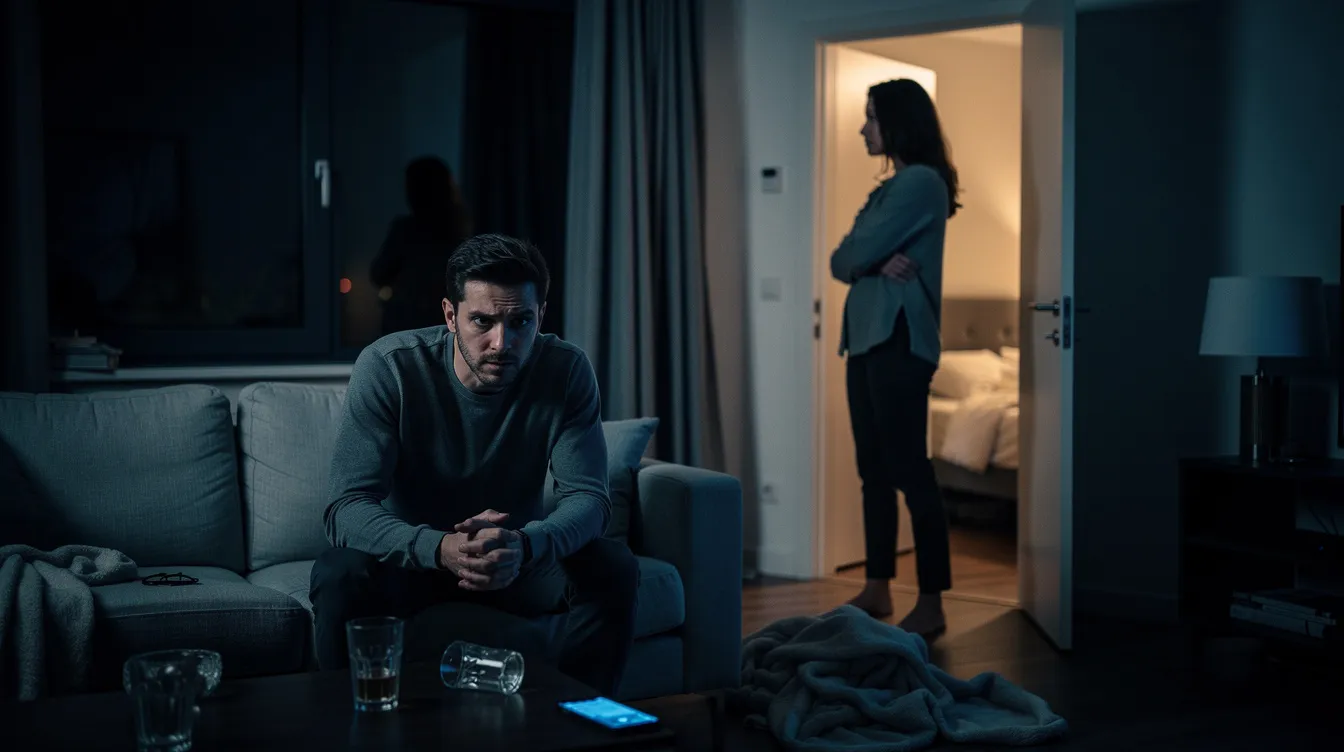
CNC kink encompasses a variety of roleplay scenarios, each designed to simulate forced sexual acts within a consensual framework, including cnc kink fantasies. Common activities in CNC include:
-
Blindfolds
-
Forced sex
These scenarios can range from relatively simple acts to more elaborate roleplays involving themes like somnophilia, kidnapping, and blackmail.
A straightforward example of a CNC scenario is when one partner holds a hand over the other’s mouth while they make frightened protest sounds. Such roleplays can provide a sense of distance and confidence, allowing participants to fully immerse themselves in the experience. However, it’s crucial that all CNC activities remain safe and legal, with clear boundaries and consent established beforehand.
Roleplay in CNC scenarios is not limited to sexual acts; it can also include non-sexual activities personalized to fit individual needs and desires. By exploring these scenarios, participants can gain a deeper understanding of their own and their partner’s fantasies, enhancing their overall sexual experience.
Role of Communication in CNC Scenes
Communication is the cornerstone of any successful CNC scene. Ensuring mutual enjoyment and safety requires honest and ongoing dialogue between partners. Misunderstandings can arise if desires and limits are not clearly communicated, making it essential to discuss these aspects thoroughly before and during CNC activities.
Participants should also establish nonverbal safe words, such as taps on a surface or specific hand placements, to communicate distress during intense scenes. The Traffic Light System, where “red” means stop, “yellow” means slow down, and “green” means continue, is an effective method to facilitate communication and enhance safety during BDSM scenes.
Preparing for CNC Play

Before diving into CNC play, it’s essential to prepare adequately by:
-
Establishing clear communication protocols
-
Discussing boundaries
-
Setting up a BDSM contract
-
Establishing safe words These are crucial steps to ensure a safe and enjoyable experience.
Clear communication helps establish the limits and expectations for the CNC scene, reducing the risks associated with these activities. Participants should also have a clear plan for emergencies, including safewords and other safety measures.
Setting Boundaries and Creating Contracts
Discussing boundaries and preferences in advance can significantly enhance the safety and enjoyment of CNC scenarios. A BDSM contract serves to clarify the limits of acceptable activities and the responsibilities of each participant, ensuring that everyone is on the same page.
Ongoing dialogue during CNC scenes is equally important. This communication helps maintain mutual understanding and ensures that all participants feel comfortable and respected throughout the experience.
Importance of Safe Words
Safe words are vital in CNC scenarios, allowing participants to halt activities if they feel uncomfortable. To be effective, a safe word should be easy to remember and not commonly used during sex. Establishing clear nonverbal signals, such as taps or hand placements, can also provide alternatives for communication during intense scenes.
Despite the concern that using safe words might reduce the realism of CNC, discussing and agreeing on them beforehand is crucial for ensuring safety and mutual enjoyment.
Aftercare Following CNC Scenes
Aftercare is an essential part of CNC play, aiding in recovery and reinforcing the emotional connection between partners. Common aftercare activities include:
-
cuddling
-
pillow talk
-
showering together All aimed at providing comfort and reassurance.
By discussing what went well during the CNC scene, partners can reinforce positive experiences and address any feelings of vulnerability that may arise. This practice helps maintain a supportive and caring environment, making CNC play more enjoyable and emotionally satisfying.
Examples of Aftercare Practices
Aftercare is crucial to ensure emotional safety and comfort after engaging in CNC play. It aims to provide reassurance of safety and allow sharing moments of intimacy. Common aftercare activities following a CNC scene include:
-
cuddling
-
talking
-
journaling
-
taking a shower together
-
getting a snack or drink.
Engaging in comforting activities together promotes a sense of connection and recovery post-CNC, helping partners feel closer and more secure.
Addressing Criticisms and Misconceptions

CNC kink is often misunderstood, leading to its conflation with non-consensual acts. However, the core principle of CNC is mutual consent and clear boundaries, differentiating it from sexual assault. Misunderstandings can arise from a lack of knowledge about the mutual agreement and clear boundaries central to consensual practices.
Research indicates that around 62% of women report having had rape fantasies, which often overlap with CNC fantasies and forced sex fantasies. While CNC fantasies can involve elements that seem non-consensual, they are always rooted in consent and mutual agreement between partners.
CNC and Sexual Assault Survivors
Responses among sexual assault victims towards CNC kink vary. Some may feel empowered and regain a sense of control through engaging in CNC, taking back agency lost in past assaults. However, others might avoid it because of potential emotional injury.
Before engaging in CNC activities, partners should discuss any fears, agree on limits, and ensure a mutual understanding of autonomy. If CNC activities provoke negative feelings related to past trauma, seeking therapy can create a supportive space for discussion.
When to Seek Professional Help
If CNC fantasies cause excessive stress, discomfort, or interfere with daily life, consider seeking help from a certified sex therapist or licensed psychologist. Couples therapy can help partners navigate potential triggers related to CNC fantasies if they lead to distress.
Working with a therapist can aid in getting started with CNC and help address any underlying issues. Taking distress or interference with daily life seriously and seeking professional help when needed is important.
Benefits of Therapy for CNC Practitioners
Engaging in therapy can help individuals address and resolve deeper psychological issues that may arise from exploring CNC. Therapy can also improve communication skills, making it easier to discuss desires and boundaries within CNC.
By working with a therapist, individuals can gain a better understanding of their CNC fantasies and navigate any challenges that arise during their exploration.
Bringing Up CNC with Your Partner
Initiating discussions about CNC should involve gradual sharing of fantasies, beginning with general sexual preferences. It’s helpful to introduce the idea of CNC by discussing personal desires in a broader context to create a comfortable environment.
To assess your partner’s feelings about CNC without making them feel pressured:
-
Use open-ended questions to explore their feelings.
-
Listen actively to their responses to gain insight into their comfort level.
-
Respect their boundaries throughout the conversation.
Gauging Partner’s Interest
Discussing CNC desires with your partner is crucial for ensuring both partners feel safe and comfortable exploring their kinks. Begin the conversation by framing it as an exploration of fantasies, rather than as an immediate request for action.
Practice active listening by:
-
Validating your partner’s feelings and thoughts during the discussion of CNC interests.
-
Ensuring that both partners express their boundaries and comfort levels clearly.
-
Fostering a respectful dialogue about CNC interests.
Pros and Cons of CNC Kink
Engaging in CNC kink can offer numerous psychological and emotional benefits, including a sense of empowerment. For some survivors of non-consensual experiences, CNC provides a way to reclaim power and control, contrasting their past experiences. Professional help should be considered when sexual fantasies lead to emotional distress or impact personal relationships, as professional support can guide individuals in understanding their CNC fantasies in a safe environment.
Exploring CNC allows individuals to learn what they enjoy and helps deepen the connection with their partner. Engaging in CNC with a long-term partner can lead to increased relationship satisfaction and closeness. However, choosing a partner who respects agreed-upon boundaries is crucial to avoid potential risks.
Safety Considerations
Safety considerations are paramount in CNC activities due to their potentially dangerous nature. The possibility of physical injury from physical force is a significant concern, making it crucial to assess risks and plan carefully. Establishing safe words and nonverbal signals ensures that participants can immediately stop the activity if needed.
Ongoing communication and trust between partners are essential to minimize risks. By continuously checking in with each other and respecting boundaries, participants can engage in CNC safely and enjoyably.
Ensuring safety helps create a secure environment where both partners can explore their fantasies without fear of harm, promoting sexual blame avoidance.
Summary
CNC kink offers a unique way to explore power dynamics and deep-seated desires within the framework of consensual sex. By understanding the key elements of CNC, including the importance of safe words, boundaries, and aftercare, participants can engage in these activities safely and enjoyably. Effective communication and mutual trust are essential to ensure that CNC experiences are positive and fulfilling.
While CNC can enhance sexual experiences and deepen relationships, it’s crucial to address any misconceptions and understand the potential risks involved. Seeking professional help when needed and maintaining open dialogue with partners are vital steps in navigating CNC safely. Embrace the journey of exploring CNC with curiosity and respect, knowing that with the right precautions, it can be a deeply rewarding experience.
Frequently Asked Questions
What is Consensual Non-Consent (CNC)?
Consensual Non-Consent (CNC) is a type of roleplay that creates the illusion of forced activities while ensuring both partners have agreed on clear boundaries in advance. Remember, communication and consent are key to keeping it safe and enjoyable for everyone involved.
How common are CNC fantasies?
CNC fantasies are actually pretty common; studies show that around 62% of women and 54% of men have had these kinds of fantasies. You’re definitely not alone if this is something you’ve thought about!
What are safe words, and why are they important in CNC?
Safe words are essential in CNC as they allow participants to communicate discomfort or the need to pause, ensuring everyone’s control and safety during play. They help create a trusting environment where everyone can explore boundaries confidently.
What should be included in aftercare following a CNC scene?
Aftercare should definitely include cuddling and talking to ensure both partners feel emotionally supported. Showering together can also be a soothing way to reconnect and reinforce your bond.
When should I seek professional help regarding CNC fantasies?
If your CNC fantasies are causing you stress or affecting your daily life, it’s time to reach out to a professional, like a certified sex therapist. Taking this step can help you explore your feelings in a safe environment.
About the Author: Gareth Redfern-Shaw

Share This Story, Choose Your Platform!
Related Articles

10.9 Min Read
12 Views
12 Today
9.9 Min Read
36 Views
2 Today
9.2 Min Read
32 Views
1 Today