
Conflict happens in every relationship. Whether you’re in a monogamous relationship or navigating the dynamics of consensual non monogamy, disagreements about time, intimacy, and priorities are unavoidable. But non monogamous relationships add extra layers: more partners, more schedules, more complex emotions, and fewer cultural scripts to guide you. The goal of this article is to give you concrete conflict-resolution tools tailored to non monogamy, including guidance for those who maintain a primary partner or primary relationship.
Non monogamy is an umbrella that covers several relationship styles. Polyamorous relationships involve multiple romantic connections. An open relationship typically allows sexual relationships outside a committed relationship. Monogamish arrangements are mostly exclusive with some flexibility. Relationship anarchy rejects hierarchy altogether. Each of these structures comes with unique challenges, but they all share a common need: open and honest communication when things get hard.
You’re far from alone in navigating this. Research shows that roughly 21% of Americans have engaged in consensual non monogamy, and about 3–7% are currently in such arrangements. Yet polyamorous individuals often face societal stigma and lack of support, which means fewer models for resolving the very conflicts that arise. Emotional labor increases significantly in non monogamous relationships, and that’s not a flaw in the structure-it’s simply the reality of caring for more than one person at a time. Jealousy, fear, and mistakes are normal. They aren’t proof that non monogamy “doesn’t work.”
Common Conflict Triggers in Non Monogamous Relationships
Before you can resolve a conflict, you need to recognize what’s actually fueling it. Here are the most common triggers that show up across enm relationships, drawn from research and real-world accounts.
- Time and scheduling conflicts. Managing time across multiple partners can be emotionally taxing. Overlapping date nights, holidays, and milestones like birthdays create logistical tension. Who gets New Year’s Eve? What happens when two partners expect the same weekend? These aren’t trivial-they signal whose time and presence matters most.
- Jealousy and insecurity. Jealousy is common in non monogamous relationships, and it shows up in many forms: fear of being replaced, feeling like a “secondary” partner who gets leftovers, or worrying that a current partner is more attracted to someone else. Studies show that perceiving yourself as less desirable than your partner’s other partners predicts more conflict and mate-guarding behaviors.
- Mismatched expectations when opening up. When one partner moves quickly-downloading apps, scheduling dates-while the other feels left behind, resentment builds fast. This mismatch often hits hardest in a previously monogamous relationship that’s transitioning into ethical non monogamy.
- Boundary disagreements. Safer sex protocols, overnight stays, how much detail to share about other partners-these are areas where even small misunderstandings escalate. You need to address underlying feelings like jealousy and insecurity in these conflicts rather than treating them as simple rule violations.
- Social and family pressure. Who can be “out” about the relationship structure? What happens at weddings, work events, or family gatherings where only one partner is acknowledged? Societal norms create invisible pressure that spills into private arguments.
- Money and logistics. Splitting travel costs across a multi-partner trip, supporting a nesting partner financially while investing in a new relationship, or navigating shared housing decisions all introduce friction when expectations are unspoken.

The Foundations: Preparing for Conflict Before It Happens
The best time to prepare for conflict is before it arrives. Proactive practices reduce the intensity of future disagreements and shorten repair time across your network of relationships.
Create a relationship agreement. A relationship contract outlines expectations and boundaries for partners. This doesn’t have to be a formal legal document-it can be a shared note or a verbal understanding revisited regularly. Cover topics like time allocation, emotional intimacy, sexual intimacy, communication frequency, and privacy preferences for each partner in your life.
Schedule regular check-ins. Regular check-ins help address issues in ENM relationships before they snowball. Set a weekly or monthly time with each partner and use structured questions:
- What’s been going well between us?
- What feels painful or unmet right now?
- Is there anything about other partners that’s bringing up feelings for you?
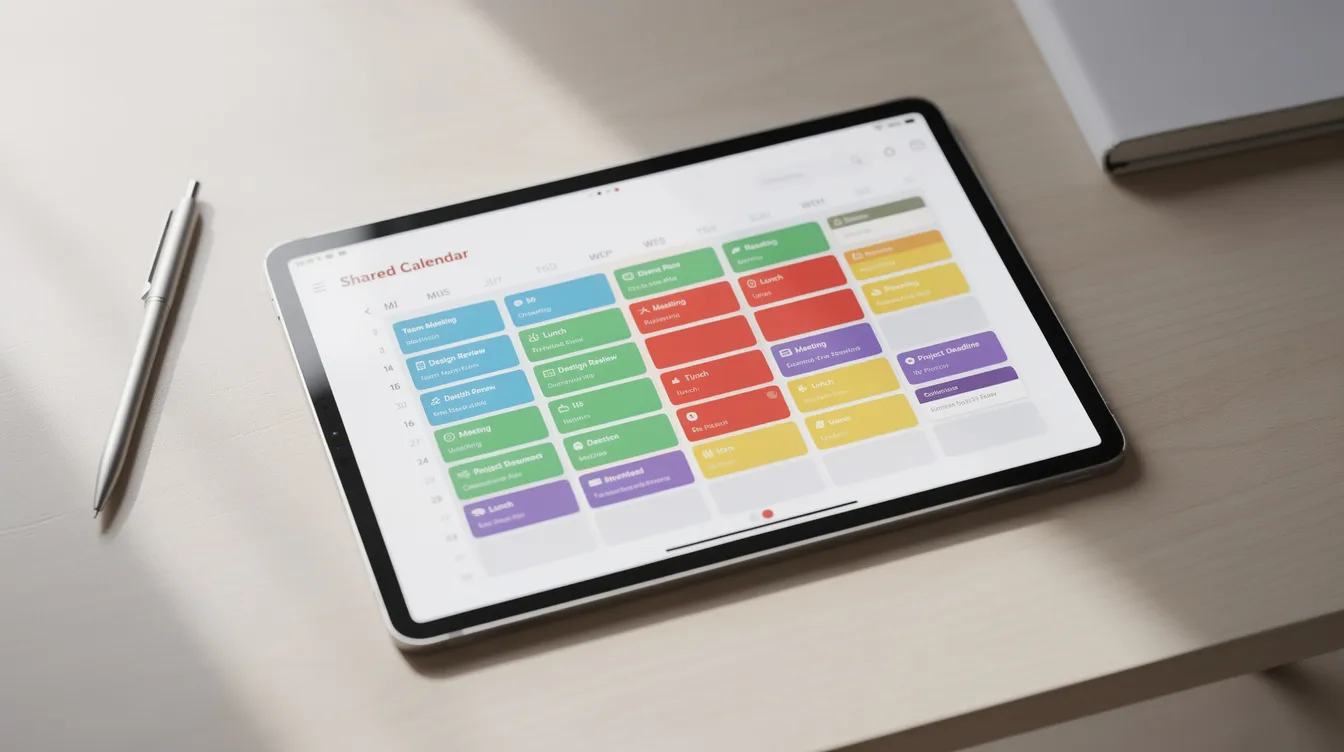
Use shared tools for transparency. Shared calendars, group chats, and scheduling apps prevent double-booking and reduce the confusion that breeds resentment. Many people in ethical non monogamy report that time mismanagement is their single biggest source of stress.
Clarify your language. Terms like “primary partner,” “secondary,” “nesting,” and “casual” carry different weight in different circles. Define what these labels mean within your specific relationship dynamics so that no one operates on assumptions.
Practice communication skills outside of conflict. Active listening, “I” statements, and Nonviolent Communication are easier to deploy under pressure when you’ve rehearsed them during calm moments. Establishing boundaries is crucial for maintaining harmony in ENM, and discussing sexual safety is essential in relationship agreements-both conversations are best had before tension arrives.
Setting guidelines helps to maintain fair fighting during conflicts. None of this eliminates disagreements entirely, but it shortens the distance between rupture and repair.
A Step-by-Step Conflict Resolution Process for Non Monogamous Relationships
When a conflict surfaces, having a reliable process keeps you from spiraling into blame cycles. Here’s a pathway that works whether you’re dealing with scheduling frustrations, feelings of jealousy, or a breach of trust.
1. Pause and regulate. Taking time-outs can stabilize emotions in heated discussions. Before you respond, take a deep breath. Give yourself a 10-minute breathing break, write a quick note to yourself instead of sending a reactive message, or agree to revisit the conversation later that evening. Effective conflict resolution relies on radical communication, empathy, and boundary management-none of which are available when your nervous system is in overdrive.
2. Choose the right setting. High-stakes conversations deserve privacy and full attention. Don’t try to process a painful topic over text, during someone’s date prep, or right before sleep. Create a space where both people can be vulnerable without distraction.
3. Use “I” statements and curiosity. Using “I” statements helps express feelings without blame. Say “I felt anxious when you stayed out later than we agreed” instead of “You obviously don’t care about me.” Follow up with genuine curiosity: “Help me understand what the evening was like for you.” Understanding both perspectives can be valid at the same time in conflicts-your pain and your partner’s experience can coexist without one canceling the other.
4. Separate facts, interpretations, and feelings. Here’s a concrete example: Fact-your partner spent the night at someone else’s place. Interpretation-they must not value your existing relationship. Feeling-you felt insecure and scared. Distinguishing these layers prevents blame and helps both partners see what’s actually happening versus what fear is projecting. Clarify your needs and boundaries for effective communication.
5. Summarize and reflect back. Before responding, each partner repeats what they heard the other say. Practice active listening to understand rather than to respond. Active listening ensures partners feel heard and understood, which is especially critical when negative feelings are running high across multiple overlapping relationships.
6. Brainstorm solutions collaboratively. Generate options together: adjusting schedules, modifying ground rules, adding aftercare rituals after dates, or creating new agreements that honor everyone’s own needs. Prioritize active listening in conflict resolution so that each suggestion gets genuine consideration.
7. Make specific, time-bound agreements. Instead of vague promises, set measurable changes. “Let’s agree that I get three dedicated evenings with you per month, and we’ll revisit this arrangement on July 15, 2026.” Regular check-ins can address issues before they escalate into the same recurring fight. Handle disagreements with direct communication and clear boundaries, and discussing boundaries is crucial for maintaining relationship harmony.
Special Considerations When There Is a Primary Partner or Primary Relationship
Primary/non-primary dynamics intensify conflict because ambiguity about what “primary” entails-decision-making rights, time priority, emotional labor-breeds resentment on all sides.
When you maintain a primary relationship, certain decisions naturally require that partner’s input: moving in with someone new, major financial investments, or parenting logistics. Without clarity, other partners may feel sidelined and your primary partner may feel burdened by unspoken obligations.
Discuss explicitly what “protecting the primary relationship” means in practice. Does it involve veto power over new partners? Extra scheduled time together? A say in sexual boundaries? Avoid using “protecting” as a unilateral excuse to shut down honest conversations about what other partners need.
Hierarchy should be re-evaluated as relationships evolve. Agreements made in 2024 may no longer fit in 2026 as a new relationship deepens, as someone’s own life circumstances change, or as personal growth reshapes what each person values. Treat hierarchy as a living framework, not a fixed rule.
Managing Jealousy, Fear, and Comparison During Conflict
Jealousy often stems from fear of loss or inadequacy-not from a character flaw. The trigger might be your partner going on a date, but the deeper fear is usually about abandonment, losing relevance, or feeling like you’re not enough. Self awareness helps manage jealousy in non monogamous relationships because it lets you trace the reaction back to its source.
Here are practices that help with emotional well being during jealousy spikes:
- Journal after conflict. Writing externalizes swirling thoughts and helps you distinguish between what happened and what your fear is adding. Self reflection through journaling often reveals patterns connected to past relationships or personal insecurities rather than current partner behavior.
- Name core fears aloud. Telling your partner “I’m afraid you’ll realize they’re more interesting than me” is vulnerable but clarifying. It moves the conversation from accusation to connection and offers your partner a chance to provide emotional support.
- Check the source. Ask yourself whether your feelings come from a real problem (a neglected agreement, chronic lateness, dishonesty) or from monogamy-centric narratives that equate exclusivity with love. Sometimes jealousy points to genuine issues and shouldn’t be dismissed as “your issue to fix alone.”
Open communication about jealousy is crucial in ENM relationships. Partners who feel comfortable discussing when they feel jealous-without shame or defensal-report lower conflict and greater satisfaction.
Compersion, the joy you feel when your partner is happy with someone else, is often idealized. In reality, it develops slowly and frequently coexists with jealousy rather than replacing it. You don’t need to feel compersion to have a successful relationship. What matters more is that you can sit with discomfort while maintaining mutual respect. Healthy jealousy can even enhance desire and eroticism in relationships when it’s processed honestly rather than suppressed.
Agree on reassurance rituals in advance. A short text when your partner arrives at someone else’s place, a “heading home” message, a debrief cuddle after dates-these small practices reduce spiraling. Self care tools like calling your best friend, going to a meetup, physical movement, or engaging with another partner can also soothe you while a partner is out.

Repairing Trust After Broken Agreements
Mistakes happen. Missed boundaries, miscommunications, and learning curves are part of navigating non monogamy, especially in newly opened relationships. The question isn’t whether agreements will ever be broken-it’s how you repair when they are.
Differentiate honest mistakes from patterns. A one-time miscommunication about a sleepover boundary is different from repeated lying or secrecy. The former calls for conversation and recalibration. The latter signals deeper issues that may require professional help or fundamental restructuring.
Follow a clear repair process:
- Full, non-defensive disclosure of what happened.
- Acknowledge impacts on each affected partner-including metamours whose emotional safety may be shaken.
- Apologize sincerely without blaming the relationship structure itself. “Non monogamy made me do it” isn’t accountability.
- Co-create a repair plan with concrete steps: temporary rule tightening, additional check-ins, or therapy sessions. Set clear timeframes rather than indefinite punishment.
Sometimes repair means pausing the introduction of new partners or slowing down with an outside relationship while rebuilding trust. This isn’t about control-it’s about demonstrating that the committed relationship matters enough to invest focused energy into healing.
Adapt to changes in needs and feelings over time. In some cases, repair requires restructuring: ending hierarchy, redefining a primary relationship, or even amicably ending a partnership. These aren’t failures. They’re honest responses to what the situation actually requires.
When a breach affects metamours, balance privacy with accountability. They deserve enough information to make informed decisions about their own well being and emotional attachments without being dragged into every detail of a conflict that isn’t theirs.
When Conflicts Suggest Structural Change
If the same fight about time, sexual intimacy, or hierarchy repeats every few months, the problem may not be individual behavior-it may be the relationship design itself.
Ask yourselves: are we trying to be monogamish when one partner is fully polyamorous? Are we maintaining a hierarchy that no longer reflects how our relationships have actually developed? Is someone’s self esteem consistently damaged by a structure that was designed to protect someone else?
Examples of structural shifts include moving from strict hierarchy to more egalitarian polyamory, temporarily closing an open relationship, or returning to a monogamous relationship by mutual choice. Changing your relationship structure is not a failure of non monogamy. It’s an adjustment to better fit the people involved at this point in their lives, and it reflects a deeper understanding of what fulfilling relationships actually require.
Involving Metamours and Community in Conflict Resolution
Not every conflict needs a polycule summit. But some issues-shared scheduling, holiday logistics, safer sex practices that affect everyone-benefit from broader input.
Understand the role of metamours. Metamours are partners who share a partner but aren’t romantically involved with each other. When direct communication between metamours is desired and safe, it reduces triangulation, rumors, and the kind of open dialogue breakdown that creates misunderstanding. Some polycules practice “kitchen table polyamory,” where all partners interact openly and decisions are communal when feasible.
Practical suggestions for group discussions:
- Set clear goals in advance (e.g., “We’re here to adjust the shared calendar, not to pick a favorite”).
- Agree on time limits and confidentiality ground rules.
- No surprises-give everyone advance notice of the topic.
Know when to keep it dyadic. Pulling every partner into every disagreement causes emotional overload and can violate boundaries. Ask whether involving others will genuinely help or whether only the two of you need to process this particular issue.
Build external support networks. ENM communities offer discussion groups and social events for support. Support networks help validate experiences of non monogamous individuals who may feel isolated by societal norms. Meetups for ENM communities provide wisdom from diverse experiences and a fresh perspective that your immediate circle can’t always offer. Maintaining healthy connections outside your romantic network protects your mental health and gives you grounding when relationship stress peaks.
When to Seek Professional Help
Some signs that therapy or coaching is warranted:
- Recurring explosive fights that leave one partner feeling unsafe
- Chronic anxiety around dates that interferes with daily life
- Unresolved trauma from past relationships being activated by current relationship dynamics
- Communication challenges that honest conversations alone can’t resolve
Look for therapists who work in private practice with explicit experience in ENM, polyamory, or kink-aware frameworks. Therapists familiar with ENM can offer tailored guidance and support rather than treating non monogamy itself as the problem. The focus should be on communication skills, attachment patterns, and conflict repair-not debating whether your relationship styles are valid.

Conclusion: Designing Conflict-Resilient Non Monogamous Relationships
Conflict in non monogamous relationships isn’t a verdict on your worthiness or your partner’s intentions. It’s data. Every disagreement reveals something about needs, values, and capacities-information you can use to build something stronger. Even in a monogamous relationship, conflict is an ongoing process of negotiation and growth, and the same is true here.
With intentional clear agreements, honest communication, and a willingness to repair, non monogamous relationships become more resilient over time. Treat each conflict as an invitation to deepen your personal growth and your connection with multiple partners rather than as evidence that something is fundamentally broken.
As life changes-new jobs, moves, children, health shifts-what each person needs from a primary partner and other partners will shift too. Keep the door open for ongoing self reflection and renegotiation. The strongest relationship isn’t the one without conflict. It’s the one where every person involved knows they’ll be heard, respected, and cared for when the hard conversations come.
About the Author: Gareth Redfern-Shaw

Share This Story, Choose Your Platform!
Related Articles

16.6 Min Read
112 Views
4 Today

6.2 Min Read
84 Views
2 Today

9.5 Min Read
90 Views
2 Today