
There’s a strange kind of burden that comes with knowing something you’re not meant to say. Not because it’s gossip. Not because it’s dramatic. But because it’s true—and because the implications ripple far beyond just you.
I’m sitting with one of those truths right now. It’s about someone who, to the wider world, seems fine. Present. Charming, even. Participating in the usual chats, making jokes, flirting lightly, building connections. On the surface, nothing is wrong.
But below that surface—just beneath—there’s harm. There are people who’ve spoken to me. Quietly. Carefully. Some directly. Some after they realised they weren’t the only ones. They’ve shared stories of discomfort, of oversteps, of boundaries pushed or dismissed entirely. And those stories have weight.
I haven’t shared them publicly. I haven’t named names. But I haven’t forgotten them either. I carry them. I carry the faces of the people who told them. And I carry this question: what is my responsibility now?
The Line Between Privacy and Protection
At what point does keeping someone’s privacy start to feel like complicity?
Because here’s the thing—we talk a lot about consent culture. About believing people. About safety. About fostering spaces where people can thrive and explore without fear. But what happens when someone moves through that same space under a false banner? When they show up performing connection and charm while privately avoiding accountability?
I’m not talking about someone who made a single mistake and owned it. I’m talking about a pattern. A person who has been spoken to. Offered support. Given a path toward growth and reparation—and who instead has chosen, intentionally or not, to act as though nothing happened.
And now they’re back. Present. Active. Posting, responding, creating visibility and comfort for themselves while the people they harmed are watching in silence. Feeling unseen. Feeling like maybe none of it mattered. That maybe what they experienced was invisible after all.
That eats at me.
But It’s Not Mine to Share… Is It?
Here’s the moral friction: the stories aren’t mine. I wasn’t the one harmed. I didn’t live through the discomfort, the pressure, the subtle manipulations. So what gives me the right to name it? To share it?
There’s a powerful ethic in consent communities: don’t speak someone else’s story without their permission. It’s there for good reason. Survivors deserve to decide when, how, and if they share their experiences. They deserve privacy, autonomy, safety.
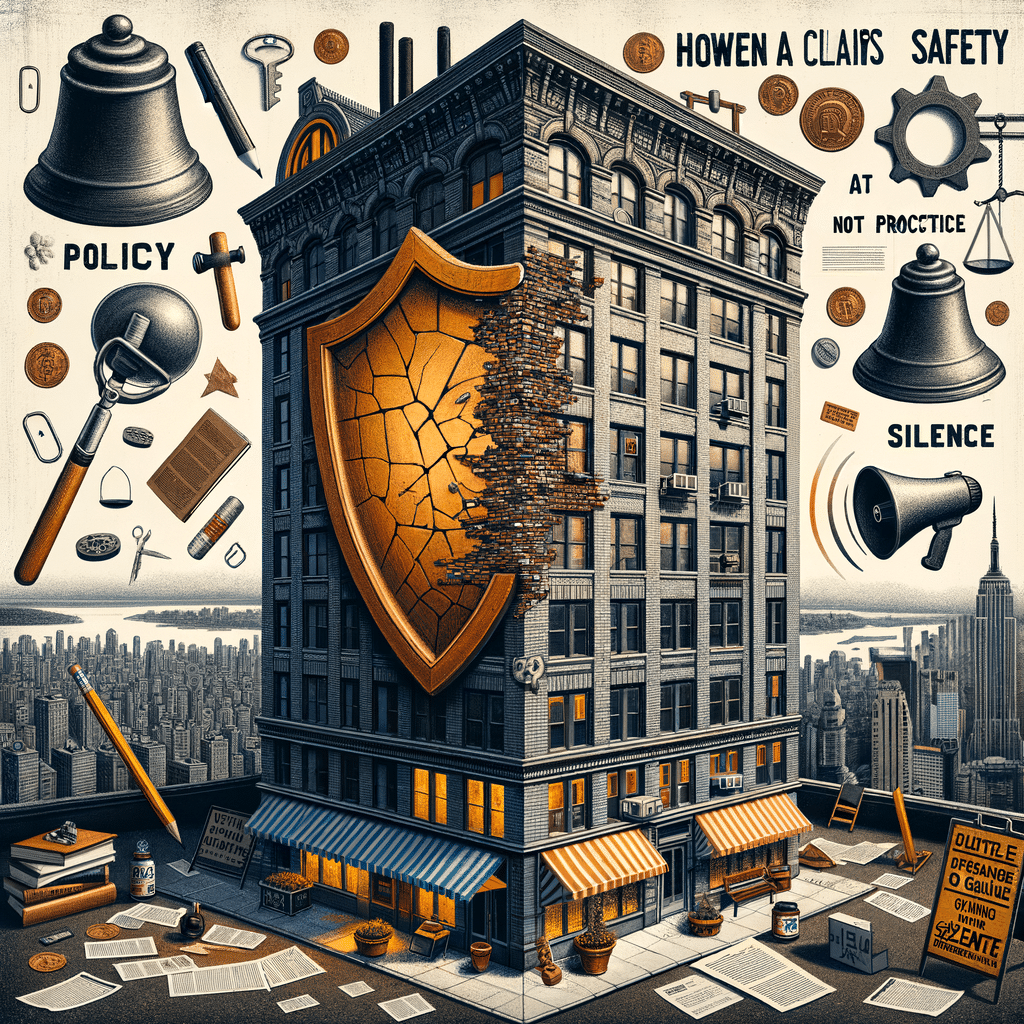
But what happens when the accused becomes a known presence again? When they use silence as a shield, when they subtly work to make sure people think everything is fine—even when it isn’t?
What happens when survivors say, “I thought they were working on themselves—why are they in the chat, making posts like nothing happened?”
At what point does keeping quiet stop being respect and start being neglect?
Who Holds the Responsibility?
This is where it gets blurry. Should I be the one to say something? Should it be the moderators of a space? The person who was harmed? A collective voice?
There’s no easy answer here. Because every situation is different. Some harms are singular and private. Others are patterned and public. Some people do the work. Some disappear and then reappear, hoping the dust has settled.
I keep asking: when is silence protective, and when is it dangerous?
When is it our duty to speak?
And what is the cost of not doing so?
Because the people I’m hearing from—the ones who reached out originally and the ones who came forward after—they’re watching too. And their silence is laced with grief. Confusion. Anger. And a very human question: does anyone else care about what happened to me?
So What Do We Do With This?
This isn’t a callout. This isn’t naming names. This is me naming a pattern that I think many of us encounter, especially in ENM and kink-adjacent communities where intimacy and trust get woven quickly, and where harm can be both subtle and significant.
I don’t have the answers. But I want to ask the questions out loud:
- When does community safety outweigh individual privacy?
- What’s the threshold between a private reckoning and a public warning?
- Who gets to make that call? And should anyone be making it alone?
- Is the discomfort of disclosure worth the relief it might bring others?
- What if we’re wrong? But also—what if we’re right, and we say nothing?
I don’t want to operate from a place of fear. But I also don’t want to uphold silence just because it’s easier.
I want us to think about this, together. I want to know how other communities have handled this. I want to build a culture where accountability isn’t just about punishment or exile, but about honesty, consequence, and care. For everyone involved.
So I’m saying this out loud. Not to cause drama. Not to create sides. But to make space for the complexity that silence carries. Because knowing something you can’t say out loud changes you.
And I think it should change us, too.
Related reading
These pieces continue the same thread around digital privacy and online safety.
About the Author: Gareth Redfern-Shaw

Share This Story, Choose Your Platform!
Related Articles
5.1 Min Read
688 Views
0 Today

3.1 Min Read
380 Views
2 Today

2.8 Min Read
430 Views
3 Today