
Erotic illustration blends sensuality, human anatomy, and artistic storytelling into something far richer than simple nudity. The term erotica originates from the Greek word eros, and at its best, erotic art across the ages has combined narrative, style, and human sexuality to offer profound insights into how cultures imagine desire, beauty, and the human form. Erotic art has existed in nearly every civilization, often intertwined with spiritual or cultural practices, from Pompeii frescoes that depict erotic themes from ancient times to contemporary digital webcomics exploring queer intimacy.
Here’s the thing: illustrated erotica works differently than photography or prose. Where a photograph captures a moment tied to realism, and literature builds desire through written language for readers to imagine, illustrations occupy a middle space. A 19th-century French lithograph could frame a sexual scene inside decorative mythology. A 1970s Japanese manga could blend humor, daily life, and explicit sex on the same pages. A 2020s digital artist on Patreon can create fantasy bodies and worlds that exist nowhere in nature. This article covers history, styles, social dimensions, ethical questions, and practical collecting tips for anyone exploring this rich subject.
The Long History of Erotic Illustration
The history of erotic illustration is the history of human sexuality made visible. From the beginning, ancient civilizations used drawings, carvings, and paintings to depict desire and the body. Erotic art dates back to ancient Greek and Roman civilizations, where phalluses and sexual depictions were common in ancient Greece, Rome, and the Americas. A study of roughly 7,901 Athenian cups from 600 to 300 BCE found only about 130 contained erotic images, suggesting these were created for specific audiences rather than mass consumption. In Pompeii and Herculaneum, explicit frescoes decorated baths and private homes. India’s Khajuraho temple carvings from the 10th through 12th centuries wove sexual scenes into sacred architecture, celebrating sensuality as part of the divine.
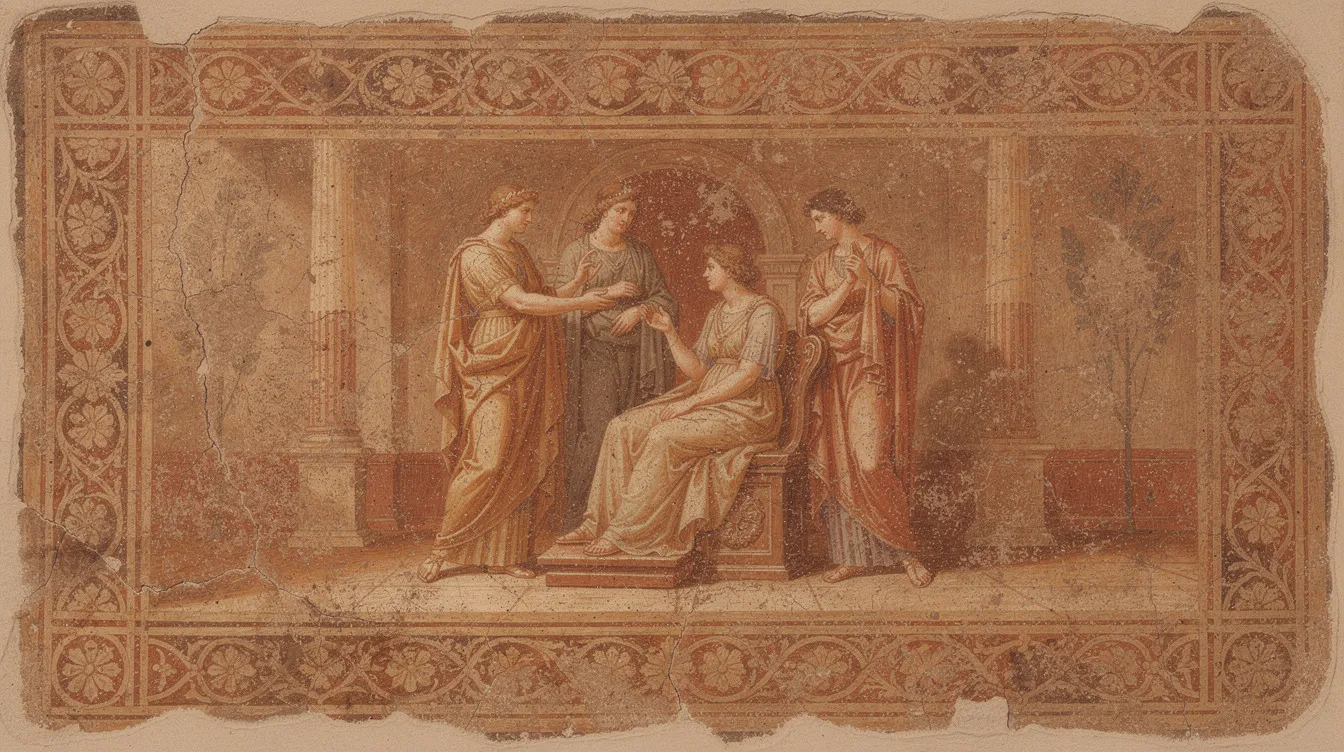
Printed erotica transformed the form. The Italian Renaissance faced controversy for the collection of erotic prints known as I Modi, while Titian and Botticelli explored erotic themes through mythological subjects like Venus. In France, the Bibliothèque nationale de France organized its restricted “L’Enfer” collection in the 19th century. The collection L’Enfer contains over 3,000 erotic works, cataloging centuries of clandestine illustrations and engravings. Meanwhile, shunga produced woodblock masterpieces in Japan, exemplified by Hokusai’s work. His 1814 book Kinoe no Komatsu wove narrative, fantasy, and explicit sex across three volumes, circulating widely among urban readers in Edo despite intermittent government suppression.
The 20th century brought rapid shifts. Weimar Germany’s erotic magazines mixed sexuality with political critique. American pin-up illustration in the 1940s and 50s, with illustrators like Zoë Mozert, offered idealized glamour. Egon Schiele was a pioneer of intimate bedroom illustrations in the 19th and 20th centuries, capturing raw vulnerability. Underground comix in the 1960s and 70s pushed boundaries with politics and sex intertwined. Female artists in the 1970s reclaimed sexual imagery for their own pleasure and creative expression, reshaping who got to tell erotic stories. Queer zines of the 1980s and 90s, Japanese hentai manga, and the emergence of online platforms around 2005 to 2015 globalized diverse expressions of erotic illustration for new generations.
Major Styles and Genres in Erotic Illustration
Erotic illustration spans many visual languages, and each style shapes how viewers understand bodies, power, and desire. Styles of erotic art range from realism to abstraction, and erotic art employs various mediums like drawing and engraving.
Aubrey Beardsley is known as the master of Art Nouveau erotica, while Tom of Finland revolutionized queer male art with his hyper-masculine drawings. Contemporary artists like Marilyn Minter bridge fine art and eroticism. Artists like the Sivley sisters illustrate queer and nature-inspired themes, and the collective Coextensive uplifts LGBTQ+ and artists of color, ensuring the field stays accessible and alive.
Erotic Illustrations in the Wider Context of Erotic Art and Visual Culture
Illustration sits alongside paintings, sculpture, photography, and film as a core strand of visual arts. Over 170 erotic artworks are featured in Phaidon’s The Art of the Erotic book, treating illustration as central to the field. Gale Primary Sources has over 3,000 works of erotica available for research, while institutions like the British Library’s Private Case and the Bibliothèque nationale de France preserve collections spanning centuries.
Illustrated erotica interacts with literature through engraved plates in 18th-century novels, seductive pulp paperback covers, and contemporary illustrated sex-education comics. It connects to performance and fashion through burlesque poster art, album covers from the 1970s through 2000s, and fashion editorials borrowing bondage aesthetics.
Duncan Grant’s works explore queer themes in erotic art, and Duncan Grant’s works celebrate queer sexuality and intimacy, offering examples of how erotic work can illuminate identity. Sarah Clemens specializes in erotic photorealism with diverse subjects, while Houston hosts vibrant queer and experimental art spaces. Local artists in Houston explore intimacy, identity, and body positivity. The broader Houston art scene features experimental work about queer identity and intimate experience, and modern Houston artists challenge traditional societal norms through interdisciplinary art. Houston’s artistic landscape interacts with sexuality, gender expression, and the body, shaped partly by Houston art curation that has been influenced by curators linked to gay art and AIDS activism. Art historians use these examples to talk about censorship, print technology, and shifting attitudes about human sexuality across society.
Emotional, Psychological, and Social Dimensions of Erotic Illustration
Erotic illustrations are not just about arousal. They stage fantasies, fears, and identities, often revealing more about a culture’s anxieties than its pleasures. Erotic art evokes a wide range of emotions. It can ignite desire and provoke introspection simultaneously.
What this often looks like in practice is a person encountering a comic or zine as a teenager and recognizing something about their own orientation or desires for the first time. Illustrations allow viewers to project themselves into scenes, exploring sexuality in a low-risk, imaginative space. Erotic art encourages self-reflection and personal growth, and it allows exploration of love, passion, and intimacy in ways that feel safer than lived experience. Erotic art can challenge societal norms and perceptions, depicting bodies and stories that mainstream media ignores.
Contemporary artists explore themes of intimacy and desire in erotic art, while sex educators commission inclusive illustrations covering consent, anatomy, and communication. Some artists use humor, exaggeration, and satire to explore self-image and body politics, capturing emotional complexity alongside the erotic. That deeper understanding of how images shape our sense of self is part of what makes this exploration so compelling.
Consent, Ethics, and the Line Between Erotic Art and Pornography
Erotic illustration has always been controversial, raising debates about obscenity, exploitation, and artistic freedom. Since the 19th century, laws like the UK’s Obscene Publications Act of 1857 and U.S. Comstock laws of the 1870s targeted illustrated erotica alongside text and photographs. Local galleries often feature exhibitions of erotic art, while events like the Seattle Erotic Arts Festival showcases various contemporary erotic artists, demonstrating how the line between celebration and controversy shifts constantly.
Common criteria people use to distinguish erotic art from pornography include narrative presence, emotional nuance, aesthetic ambition, and context of display. That distinction matters, but it is also socially constructed and historically shifting. Many artists and viewers consciously inhabit that grey zone. Ethical erotic illustration avoids depicting minors, using real likenesses without permission, or dehumanizing stereotypes based on race, gender, or disability. Within queer and feminist communities, artists increasingly foreground themes of negotiation and enthusiastic consent, depicting power exchange with transparency and care.
Collecting, Displaying, and Discovering Erotic Illustrations Today
Contemporary audiences can access erotic illustration more easily than ever. Online marketplaces offer a vast collection of erotic art, and online platforms offer vast collections of erotic art from independent creators worldwide. Independent art book fairs, local galleries, and events like the Seattle Erotic Arts Festival showcase various erotic artists working across styles and identities.
Art books and catalogues serve as curated gateways. The Art of the Erotic includes over 170 artworks spanning form, period, and identity. Specialized titles on trans erotic art, early modern erotica, or ancient Roman sexuality offer deeper insights into other works and traditions.
Starting a collection:
Displaying erotic art at home:

Erotic illustration is a vital strand of art history, a mirror of human sexuality, and a powerful tool for capturing desire, identity, and intimacy. Embrace it with curiosity and respect. Let it tell you stories about the world, about the lives of others, and about yourself.
About the Author: Gareth Redfern-Shaw

Share This Story, Choose Your Platform!
Related Articles

14.6 Min Read
230 Views
3 Today

11.2 Min Read
240 Views
5 Today

13.3 Min Read
244 Views
7 Today