
Erotic photography sits in a space that most creative disciplines tiptoe around. It’s a genre built on tension, desire, and the deliberate use of suggestion to create something that moves people emotionally and physically. It is, at its core, an art form focused on portraying human sensuality and intimacy. And yet, for all its power, it remains one of the least understood areas of photography. This article is an educational introduction for photographers, models, and creatives interested in creating tasteful, consensual erotic work. Whether you’re drawn to soft boudoir sessions or more overtly charged imagery, what follows is a grounded guide to doing this well.
What Is Erotic Photography?
Erotic photography is a photographic genre centered on evoking sexual desire, arousal, or sensual tension rather than documenting explicit sexual acts. The word “erotic” comes from the Greek eros, meaning romantic love or intense pleasure, and the photography that carries that name uses body language, expression, lighting, and context to create a charged emotional atmosphere. Erotic photography emphasizes artistic expression and composition as opposed to immediate sexual stimulation. Erotic photography is distinguished from pornography by its intent to express aesthetic beauty. That distinction matters.
Here’s how erotic photography relates to adjacent genres:
Erotic photography challenges cultural boundaries concerning art and obscenity. It appears across art books (Taschen has published erotic photo monographs since the 1990s), gallery exhibitions, high-end magazines, and personal keepsakes. A single photograph can shift between these categories depending on context, audience, and presentation.
Historical Roots of Erotic Photography
The origins of erotic photography date back to post-1839 with the daguerreotype process, when Louis Daguerre presented his invention to the French Academy of Sciences. Within months, artists began producing nude daguerreotypes, often styled in the tradition of classical painting to make erotic content more socially palatable. The 19th century saw the emergence of nude figures in French daguerréotypes as underground erotica. Early practitioners established photography as a valid fine art medium by studying the nude body.
Key milestones across the genre’s evolution:
Erotic photography has challenged societal taboos regarding bodily autonomy and artistic expression since its inception, and that tension continues today.
Erotic vs. Boudoir vs. Nude: Understanding the Differences
Photographers need to understand genre boundaries clearly, not just for creative reasons, but for legal clarity, ethical practice, and how they position themselves to potential clients. Here’s a high-level comparison:
In reality, a single image can be read as boudoir, erotic, or fine-art nude depending on styling, context, and audience. Glamour photography is also adjacent, leaning into idealization and fashion. But the photographer should always choose and communicate a primary intent before the shoot begins. That clarity protects everyone involved.
Consent, Ethics, and Boundaries in Erotic Photography
No amount of beautiful lighting or perfect posing matters if the ethical foundation is missing. Communication with clients is crucial for successful boudoir photography, and it becomes even more critical when the work leans erotic. Communication is crucial for building trust with clients. Boudoir photography fosters a safe space for self-expression, and maintaining that safety requires ongoing, deliberate effort.
Practical ethical guidelines:
Research local laws in your jurisdiction. In the U.S., nearly all states criminalize nonconsensual distribution of intimate images, and the 2025 TAKE IT DOWN Act requires platforms to remove nonconsensual intimate visual depictions promptly.
Planning an Erotic or Boudoir Photo Shoot
Thoughtful pre-production transforms a potentially awkward session into something genuinely collaborative. The goal is simple: by the time the camera comes out, everyone involved knows what to expect.
Start with a pre-shoot consultation, whether that’s a video call or an in-person meeting. Discuss the concept, levels of eroticism, preferred outfits, and whether the session leans toward a boudoir photography shoot, erotic glamour, or fine-art nude. Ask your client what matters to them. Discuss poses with clients to ensure comfort. Discuss wardrobe options with clients to enhance comfort and confidence.
A written questionnaire helps enormously. Ask about insecurities, favorite features, boundaries around partial or full nudity, and what the client wants to feel during and after the session. Clients should bring several outfits to the shoot, and this is worth emphasizing early.
For a lot of people, a boudoir shoot is a deeply personal milestone. Boudoir photography boosts self-esteem and body positivity. It celebrates personal milestones like weight loss or recovery. Boudoir shoots empower individuals to embrace their sensuality, and the experience can help individuals see themselves in a new light. That emotional weight deserves careful planning.
Build a mood board and shot list using references from classic film stills, mid-century editorial work, or modern fashion campaigns. Choose location types (studio, boutique hotel, rented apartment) and schedule around flattering light. Late afternoon window light in winter or golden hour outdoors in summer both work beautifully.
Styling, Wardrobe, and Props
Styling sits on a spectrum, and where you land depends on the client’s comfort level, the session’s intent, and the story you’re telling together.
For clients who are newer to this experience, non-lingerie options work wonderfully: oversized sweaters, partner’s shirts, slip dresses, bodysuits, and sheer fabrics. Boudoir outfits can include oversized sweaters or partner’s shirts. For bolder erotic work, the palette shifts toward more revealing sets, harnesses, stockings, and heels. Lingerie sets, corsets, and bodysuits are popular boudoir choices. Outfits should fit well and flatter the subject’s figure. Clients should bring outfits they feel comfortable wearing.
Boudoir photography often uses props to enhance intimacy and comfort. Bedsheets, mirrors, chairs, vintage telephones, blindfolds, or books can reinforce mood and narrative. The key is that props should support the story, not reduce the subject to a decorative object.
Professional hair and makeup can enhance boudoir photos significantly. A makeup artist helps create polished, camera-ready looks. Professional hair styling adds another layer of confidence. Advise clients to avoid tight clothing before the shoot to prevent skin marks, and bring backup outfits in similar tones.
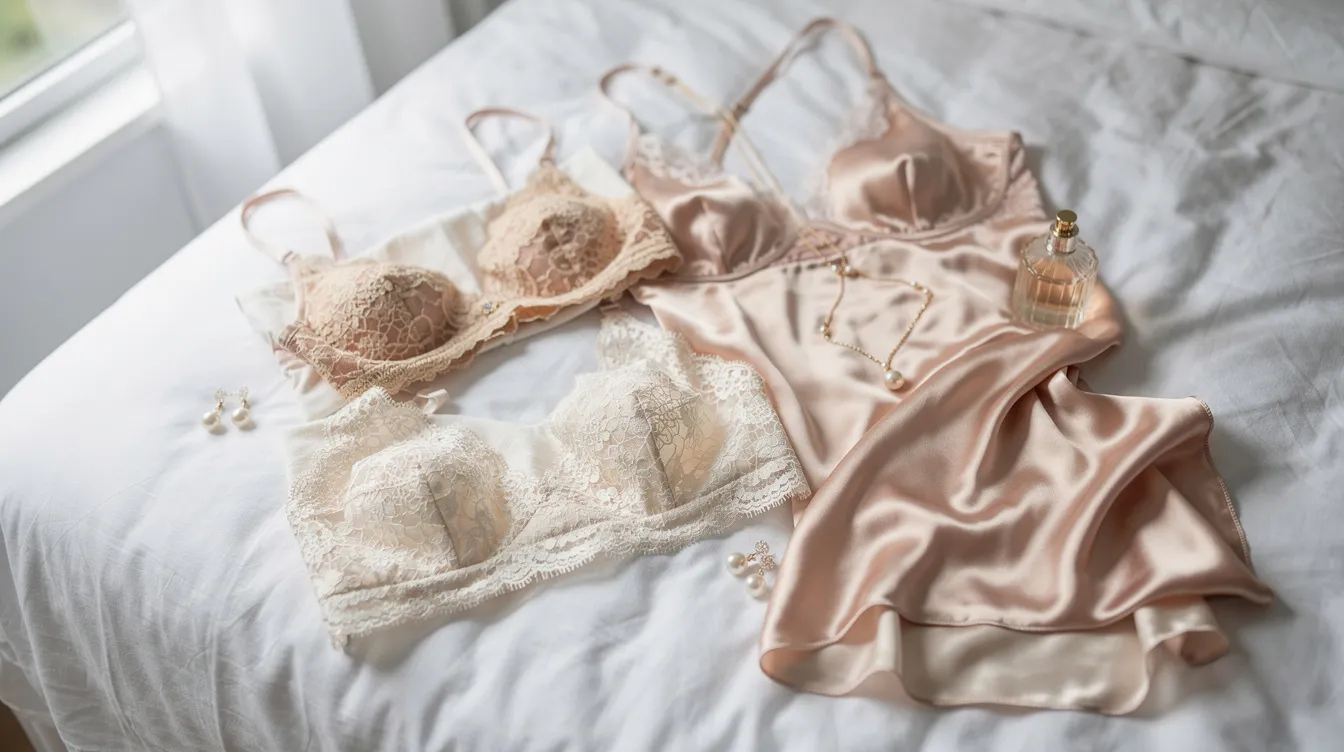
Color palette choices matter: soft neutrals (cream, blush, ivory) evoke romantic boudoir moods. Deep reds and blacks create intensity and sensuality. These interact with skin tones and set design in ways worth planning deliberately.
Lighting for Erotic and Boudoir Photography
Lighting largely determines mood. It’s the single most powerful tool for setting the right mood in any boudoir or erotic session.
Natural light creates a soft, flattering look for boudoir photos. Natural light also creates a soft, welcoming look for boudoir photos when diffused through sheer curtains or bounced off light walls. Use natural light for a flattering boudoir shoot whenever possible. Avoid direct sunlight as it can be unflattering in boudoir photography, creating harsh shadows and blown highlights. Overcast days and north-facing windows provide beautiful, even illumination.
For artificial lighting setups:
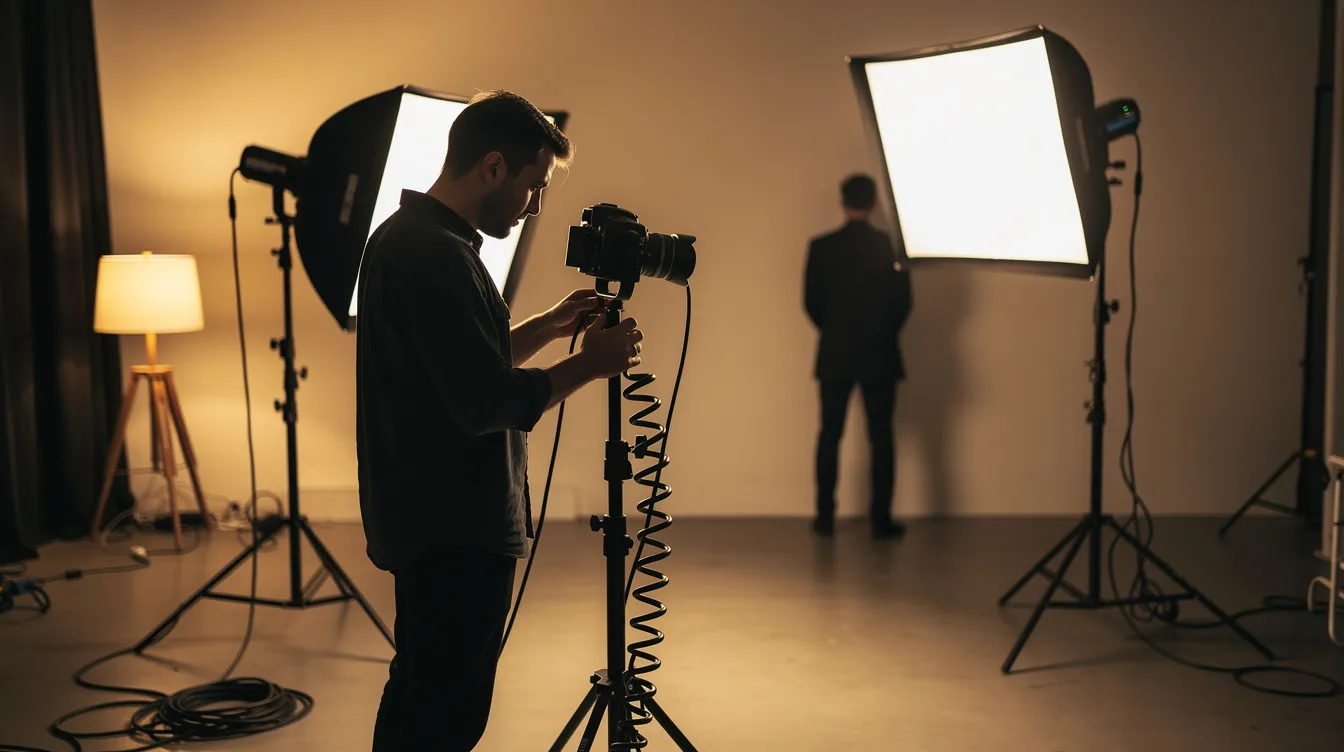
Low-key lighting (dark backgrounds, deep shadows, selective highlighting) works especially well for dramatic erotic photographs. High-key lighting (bright, airy, minimal shadow) feels more romantic and intimate, ideal for classic boudoir sessions.
A 35mm f/2 lens adapts well to low light conditions, making it useful when ambient lighting is your primary source. Experimenting with color gels, fairy lights, or neon signs can add stylized fantasy elements, though beginners should master simpler lighting setups first.
Posing, Expression, and Directing Your Subject
Here’s the thing about erotic and boudoir poses: genuine emotion and body language are almost always more powerful than extreme nudity. The most compelling pictures in this genre come from real feeling, not performance.
Start with simple, low-pressure boudoir poses. Poses should be simple and flattering to boost client confidence. Good starting points include seated on the edge of a bed, lying on one side with supported head, standing against a wall with weight shifted, or using hands to adjust clothing and hair for natural gestures.
Classic boudoir poses include lying on the back with bent knees. A popular pose is lying on one side with the top leg bent while the bottom leg stays extended for a flattering line. Kneeling poses with feet tucked underneath create a flattering look. Arching the back with a pillow under the arm enhances curves beautifully.
For directing, demonstrate flattering poses yourself and use clear, respectful language. Flow posing allows clients to move naturally between different poses, reducing stiffness and creating more organic intimate moments. Keep one leg bent and one leg straight for visual variety. Draw attention to the eye line and the natural shape of the body rather than forcing a generic “sexy” look. Instead, use prompts: recall a flirtatious moment, think about someone who makes you feel desired. That approach consistently yields more authentic expression.
For overtly erotic work, posing may incorporate more open body language and direct, charged eye contact, but only within the boundaries already established. The subject should always feel comfortable throughout.
Cameras, Lenses, and Practical Gear Choices
Nearly any modern camera can capture stunning boudoir photography or erotic images. What matters more than the camera body is understanding how to use it.
Core lens recommendations:
Use wide apertures (f/1.4 to f/2.8) to isolate the female form against dreamy backgrounds, but be careful: at extremely shallow depth of field, you risk losing focus on the eyes. Adjust camera settings accordingly, stopping down to f/2.8 or f/4 when deeper focus is needed.
Support gear: reflectors for window-lit rooms, compact tripods for tight spaces, and tethering to a laptop or tablet so clients can see images in real time (this builds trust). Mirrorless bodies with silent shutter modes help nervous clients feel comfortable. Always carry spare batteries and memory cards.
Post-Processing and Retouching: Keeping It Real
Post processing in erotic and boudoir photography should enhance the subject’s confidence and maintain authenticity. The goal of retouching is a light hand, not transformation.
A solid workflow includes global exposure and color adjustments, gentle skin retouching, and removal of temporary blemishes while retaining natural texture. Freckles, scars, and features the client wants to keep should stay. The final photos should look like the person in them, not a digital reconstruction.
On body shaping: minor tucks with liquify tools might be appropriate for correcting compression-related distortion, but heavy reshaping harms self-esteem and misrepresents the client’s natural shape. This matters especially in empowerment-focused boudoir shoots.
Privacy during editing is non-negotiable. Edit on secure devices. Never share unretouched photographs without permission. Use watermarks or private galleries when delivering digital files.
Develop a consistent style: warm and soft for classic boudoir, cooler and contrasty for contemporary erotic work, black and white for mood or abstraction. Style consistency becomes your brand.
Starting a Career in Erotic and Boudoir Photography
Building a sustainable practice as a boudoir photographer or erotic art photographer requires business planning alongside artistic skill.
Portfolio strategy: Begin with less explicit boudoir sessions, possibly through model-for-print collaborations, and gradually develop a clear aesthetic. Build an online portfolio website that reflects your chosen niche. Segment more explicit erotic work separately if needed. Many boudoir photographers maintain both a public online portfolio and private client galleries.
Branding: Decide whether to present as a boudoir studio, erotic art photographer, or a hybrid. Ensure your website, logo, and copy reflect the chosen positioning. Stunning boudoir photography brands often center empowerment, beauty, and artistry rather than leading with explicit content.
Pricing: Standard-tier boudoir sessions in the U.S. currently range from $600 to $1,200 for 2 to 3 hours including professional hair and makeup services, with 20 to 40 edited images. Luxury packages vary widely, reaching $1,500 to $3,500 or more depending on products like albums and wall art. Session fees must account for makeup services, set rental, and retouching time. Prices vary widely by market and experience level.
Marketing with discretion: Use curated images for public display. Referral programs and word of mouth are powerful in this genre. Comply with platform rules when sharing sensual images. Know the policies of every platform you use. Some explicitly forbid nudity in public posts.
Conclusion: Approaching Erotic Photography with Respect and Intention
Erotic photography is an intentional, consent-driven genre distinct from but deeply related to boudoir and nude work. It’s rooted in a long artistic tradition stretching back to the earliest days of the camera, and it continues to evolve as technology, culture, and conversations about bodies and desire shift.
The foundation of great boudoir photography or any erotic session is communication, boundaries, and genuine respect. Every boudoir shoot, every erotic session, regardless of style or level of nudity, depends on the people involved trusting each other enough to create something honest.
If you’re just starting, begin with simple, tasteful boudoir photos. Let your skills, your eye, and your client relationships deepen before pushing into more overtly erotic territory. Study classic erotic photo books, contemporary boudoir portfolios, and fine-art nudes for inspiration. Look at how the best photographers use light, capture emotion, and tell stories about sensuality without relying on shock value. The best work in this genre comes from curiosity, care, and the willingness to keep learning.
About the Author: Gareth Redfern-Shaw

Share This Story, Choose Your Platform!
Related Articles
14.6 Min Read
148 Views
1 Today
11.2 Min Read
144 Views
1 Today

13.3 Min Read
159 Views
1 Today