
Consent culture means ensuring mutual respect and clear communication in interactions. It emphasizes individual autonomy and enthusiastic agreement. This article will delve into what is consent culture, why it matters, and how it shapes respectful relationships.
Key Takeaways
-
Consent culture emphasizes individual autonomy and ongoing communication to foster healthy relationships based on mutual respect.
-
Understanding the distinction between consent culture and a culture of consent helps challenge harmful behaviors and norms in society.
-
Building a culture of consent requires community involvement, open communication, and education to ensure personal boundaries are respected and valued.
Defining Consent Culture
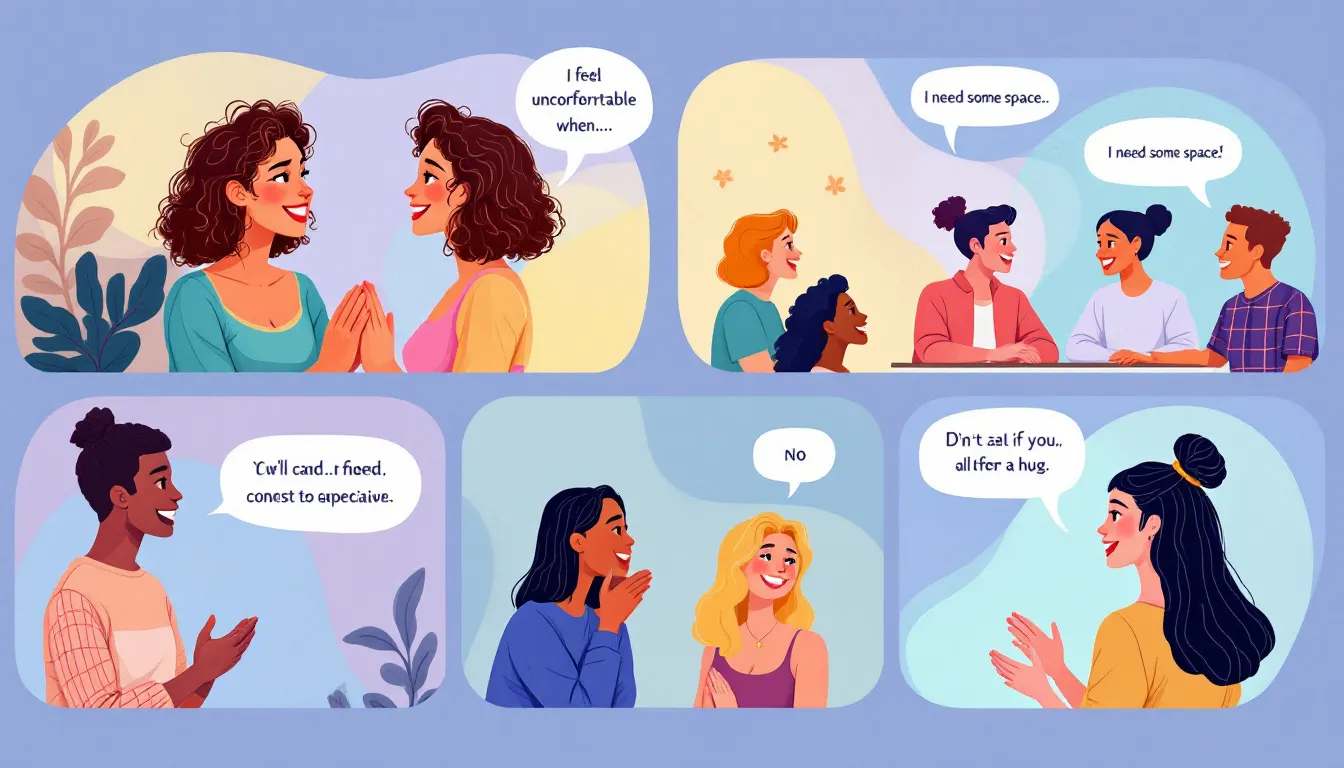
Consent culture is the foundation upon which healthy relationships are built. It emphasizes individual autonomy and the importance of mutual understanding in every interaction. At its core, consent means an affirmative, conscious, and voluntary agreement to engage in any activity, be it sexual, emotional, or social. According to the Consent Academy, this agreeing must be made without coercion and by individuals with the capacity to make informed decisions. But consenting is more than just a one-time “yes” or “no”; it requires ongoing, enthusiastic agreement and clear communication.
Mutual respect, communication, and honoring boundaries are paramount in a consent culture. This culture empowers individuals to feel their desires, ask for them, know their limits, and voice them. Practicing consent ensures all parties feel safe, respected, and valued. Trust, communication, and shared values are the foundation of any healthy relationship, and these principles are at the heart of consent culture.
Clear and continuous consent is crucial in ethical non-monogamous relationships to maintain their integrity. Practicing consent means respecting each partner’s autonomy and ensuring that all interactions are rooted in mutual respect and understanding. This not only strengthens the relationship but also promotes personal agency and empowerment.
Differentiate Between Consent Culture and a Culture of Consent

While consent culture focuses on individual interactions and personal autonomy, a culture of consent extends these principles to broader societal norms. In a culture of consent, there is a collective respect for personal boundaries across various contexts, from campus culture to the workplace. Societal respect helps in recognizing and addressing harmful behaviors rooted in coercive norms.
Contrastingly, consent culture emphasizes the empowerment of individuals to make their own choices regarding comfort and boundaries. It highlights the importance of ongoing dialogue and mutual understanding in every interaction. Historical contexts have shown us the dire consequences of the absence of consent, whether in sexual or medical scenarios, underscoring the need for a robust culture of consent.
Understanding these differences helps us better recognize and challenge harmful behaviors in our communities.
Common Misconceptions About Consent in Non-Monogamy
Ethical non-monogamy often faces misconceptions, particularly around the concept of consent. One common myth is that non-monogamy is merely a cover for cheating. However, ethical non-monogamy fundamentally relies on mutual agreement and clear communication about outside involvement. It’s not about deception but about building transparent and consensual relationships.
Another misconception is that non-monogamous relationships stem from dissatisfaction in primary relationships. In reality, many non-monogamous relationships originate from secure and happy partnerships. These relationships require significant emotional investment and commitment from all parties involved, often more so than monogamous ones. The complexity of non-monogamy is akin to managing multiple friendships, where expectations and time-sharing are clearly discussed.
Lastly, there’s a belief that non-monogamy is inherently complicated or that individuals with insecure attachment styles cannot succeed in such relationships. However, studies show that people with insecure attachment styles can experience comparable benefits to those in secure relationships. Consent in non-monogamous relationships is not just about avoiding physical violence but also about addressing more subtle forms of coercion. Understanding these nuances helps in fostering a culture of consent within non-monogamous spaces.
The Intersection of Consent Culture with Power Dynamics
Consent is not just about clear and enthusiastic agreement; it’s also about acknowledging and addressing power imbalances that can make true consent difficult. In non-monogamous and polyamorous relationships, factors like privilege, societal conditioning, gender norms, and hierarchical dynamics play a significant role in how people navigate consent. For instance, a new partner in a polycule may feel pressured to say “yes” due to implicit expectations or fear of exclusion.
Marginalized groups, including those based on race, class, gender, disability, and neurodivergence, often experience coercion differently. They may struggle with boundary-setting due to social conditioning and fear of repercussions. Recognizing these dynamics is crucial in fostering a consent culture that is inclusive and respectful of everyone’s boundaries and autonomy.
The Role of Repair and Accountability in Consent Culture
In a consent culture, violations will inevitably happen. The true test lies in how communities and individuals handle harm, repair trust, and prevent future incidents. Accountability is not about punitive “cancel culture” but about acknowledging mistakes, taking responsibility, and ensuring they don’t repeat.
Restorative justice principles can be particularly effective in ENM spaces. These principles focus on repairing harm and rebuilding trust rather than punishment. Fostering a safe environment for admitting mistakes and taking accountability strengthens community commitment to consent culture and builds more resilient relationships.
Community Accountability & Consent Culture Beyond Individual Actions
Consent culture extends beyond individual behavior to encompass the entire community. Creating environments where consent is normalized and expected is crucial. In ethical non-monogamous spaces, polycules, and play parties, active encouragement of consent practices is essential.
Community leaders and organizers play a significant role in promoting consent culture. They must establish policies, conflict resolution mechanisms, and safe reporting structures to support consent and address violations. Bystander silence during coercion, pressure, or boundary violations perpetuates harmful behaviors. Bystander intervention is vital for community accountability, reinforcing the collective responsibility to uphold consent culture.
The Impact of Societal and Legal Attacks on Consent Culture
Recent societal and legal changes pose significant challenges to consent culture. The rise of anti-LGBTQIA+ laws, book bans, and attacks on bodily autonomy have systemic implications on consent culture. These legal attacks make it harder for non-monogamous and polyamorous communities to have open, safe conversations about consent.
Government policies impact consent discussions in schools, workplaces, and public spaces. For example, the rollback of LGBTQIA+ rights affects how freely people discuss and practice consent in their relationships.
These societal and legal challenges underscore the importance of advocating for consent culture at every level.
The Importance of Consent as an Ongoing Process
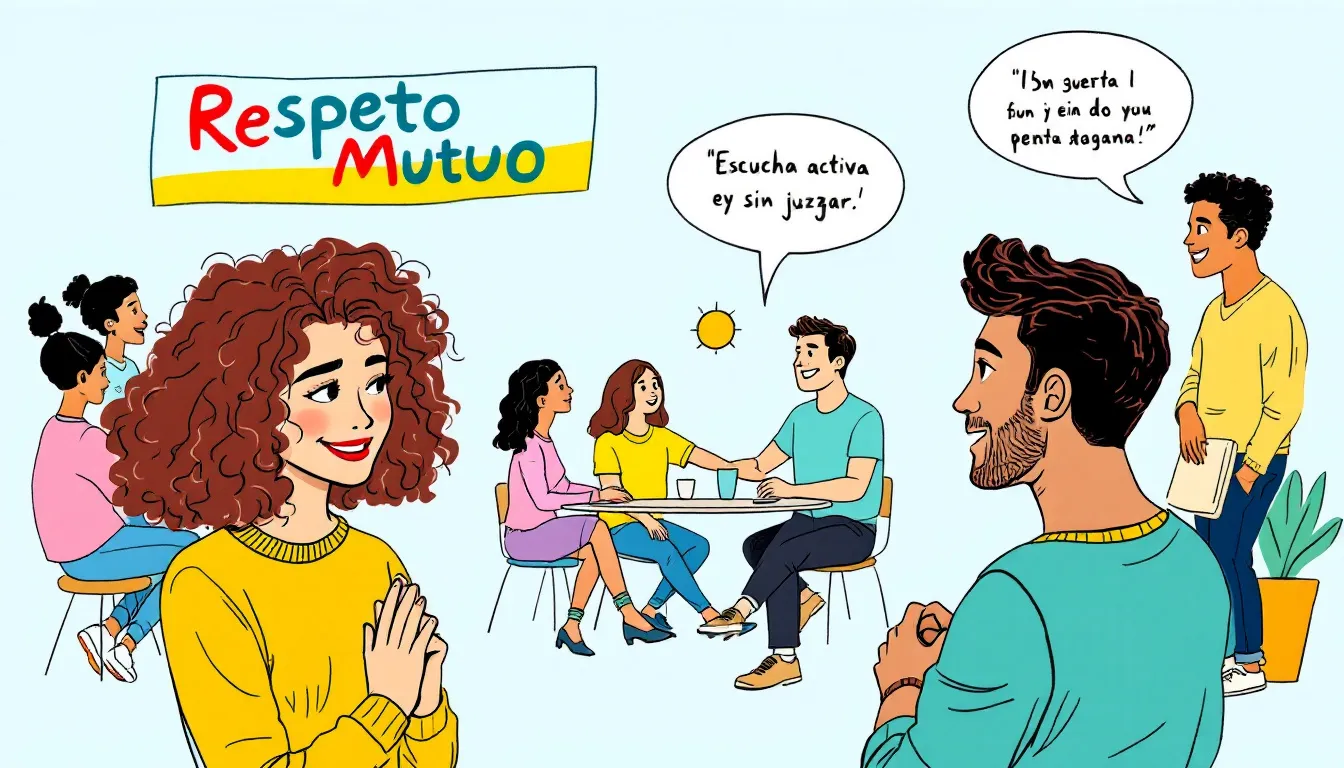
Consent is not a one-time agreement but an ongoing process that requires continuous communication and mutual agreement. Clear and direct communication about desires and boundaries maintains consent in every interaction. The misconception that silence indicates consent disregards the need for active and enthusiastic agreement.
Each new encounter necessitates fresh consent; it cannot be assumed based on previous interactions. Boundaries may get crossed, necessitating continual communication and negotiation. Effective consent respects both partners’ autonomy and requires active participation in decision-making.
This ongoing process is a critical component of healthy relationships.
Harmful Relationship Myths
Misunderstandings, exclusion, shame, and broken promises are common pain points in relationships, especially within consent culture. Solely focusing on boundary violations can create a sense of shame. Assuming others’ boundaries robs them of the opportunity to set their own.
Peer pressure is a harmful norm that can compel individuals to act against their desires. Over-protection disempowers self-reliance and hinders boundary-setting, impacting personal growth.
Addressing these myths is crucial for fostering healthy relationships where individuals feel empowered to set and respect boundaries.
Myth: Consent is Just a “Yes or No” Issue
Reducing consent to a simple yes/no binary overlooks the complexities involved. Passive versus enthusiastic consent highlights why just saying “yes” isn’t always sufficient. Situations that are “technically consensual” but still coercive, such as saying yes to avoid conflict or guilt, demonstrate the nuances of consent.
Non-verbal and social cues also play a significant role in consent, where someone might feel pressured to agree to a relationship dynamic they don’t fully want. Understanding these complexities fosters a more nuanced and respectful approach to consent culture and consents.
Consent Fatigue & Emotional Labor in ENM Spaces
Constantly navigating consent can take an emotional toll, leading to consent fatigue. Balancing check-ins without making them transactional or exhausting maintains a healthy culture of consent.
Focusing on pleasure and making consent discussions enjoyable rather than tedious can help alleviate some of this emotional labor. Creating safe spaces where individuals feel comfortable and valued helps communities support each other in navigating consent effectively.
The Role of Education & Teaching Consent Early
Early education on boundaries, body autonomy, and clear communication prevents harm in adult relationships. The lack of proper sex and relationship education in the U.S. leads to poor consent practices.
Teaching consent culture to children in age-appropriate ways instills these values early on. By promoting a culture of consent from a young age, we can create a foundation for healthier and more respectful relationships in the future.
Building and Sustaining a Culture of Consent
Building a culture of consent extends beyond sexual interactions to promote respect for individual integrity in all facets of society. It reflects societal norms that establish respect for personal boundaries and promotes healthy communication across communities.
Fostering a culture of consent in relationships and communities ensures that all interactions are rooted in mutual respect and understanding. This culture is essential for creating environments where everyone feels safe, respected, and valued.
Establishing Clear Boundaries
Setting personal boundaries creates safe and respectful relationships. Effective communication clearly defines and respects these boundaries, crossing boundaries in a constructive manner.
In consent culture workshops, participants can enhance their skills in effective communication and assertive boundary setting. Respecting established boundaries significantly contributes to consent culture and personal safety.
Practicing Open Communication
Open and honest communication is key to consent culture, especially in managing feelings and expectations in non-monogamous arrangements. This culture encourages active discussions about desires and boundaries to ensure everyone feels respected and valued.
Viewing interactions as learning opportunities fosters better understanding and mutual respect in consent culture. This approach helps in creating environments where open dialogue is the norm.
Encouraging Bystander Intervention
Bystanders play a crucial role in establishing and supporting a culture of consent. When bystanders challenge harmful behavior, they contribute to a collective understanding of consent and reinforce the importance of clear communication and respect.
Effective bystander intervention strategies include direct confrontation, distraction, and seeking help from authorities when necessary. A culture of bystander intervention encourages everyone to take responsibility for maintaining respectful environments and preventing harassment.
The Future of Consent Culture in Non-Monogamy

As non-monogamous relationships gain wider acceptance, discussions around consent are becoming increasingly pertinent. These conversations are challenging traditional relationship norms and encouraging more inclusive understandings of personal boundaries.
Creating a culture of consent involves engaging individuals from a young age about their rights and the significance of consent. Fostering these discussions helps shape future norms that prioritize mutual respect and clear communication in all relationships.
Summary
Understanding and practicing consent culture is essential for fostering healthy and respectful relationships, especially within non-monogamous communities. We’ve explored the core principles of consent culture, the differences between consent culture and a culture of consent, and debunked common misconceptions about consent in non-monogamy. We’ve also discussed the impact of power dynamics, the importance of community accountability, and the challenges posed by societal and legal attacks on consent culture.
Moving forward, it’s crucial to remember that consent is an ongoing process that requires active communication and mutual respect. By educating ourselves and others, setting clear boundaries, practicing open communication, and encouraging bystander intervention, we can build and sustain a culture of consent that promotes safety, respect, and empowerment for everyone. Let’s continue to challenge assumptions, inspire growth, and create healthier connections in all aspects of our lives.
Frequently Asked Questions
What is consent culture?
Consent culture is fundamentally about fostering mutual respect and ensuring clear communication in all interactions, emphasizing the importance of ongoing and enthusiastic agreement. It promotes healthy relationships by prioritizing individuals’ autonomy and comfort.
How does consent culture differ from a culture of consent?
Consent culture prioritizes individual interactions and personal autonomy, whereas a culture of consent reflects wider societal norms and expectations that uphold personal boundaries.
What are some common misconceptions about consent in non-monogamous relationships?
A prevalent misconception is that non-monogamy equates to cheating, but ethical non-monogamous relationships are built on clear, ongoing consent and commitment. Understanding this fundamental difference is crucial for fostering healthy and respectful connections.
How can communities foster a culture of consent?
Communities can foster a culture of consent by promoting open communication and educating members from an early age about its importance. Implementing clear policies and supporting bystander intervention can also reinforce these values effectively.
Why is consent considered an ongoing process?
Consent is considered an ongoing process because it necessitates continuous communication and mutual agreement, ensuring that all parties’ autonomy and boundaries are respected throughout any interaction. It cannot be taken for granted based on past experiences.
About the Author: Gareth Redfern-Shaw

Share This Story, Choose Your Platform!
Related Articles

8.7 Min Read
246 Views
0 Today
8.4 Min Read
181 Views
3 Today
9.3 Min Read
64 Views
0 Today