
Feeling nervous about attending a play party? You’re not alone. Many people experience anxiety before these events, but there are ways to navigate those nerves—navigating nerves at play parties.
Sex parties and intimate gatherings can be thrilling opportunities for exploration, connection, and personal growth. However, the anticipation of stepping into such spaces—especially for the first time—can also bring nerves, performance anxiety, and uncertainty. You’re not alone; even seasoned attendees like myself still experience jitters before walking through the door.
Spoiler Alert: the key to overcoming nerves is to embrace curiosity, communication, and self-awareness. These principles can help you build trust with yourself, your partners, and others, paving the way for meaningful and fulfilling experiences.
This article will guide you through understanding your feelings, preparing for your first party, building confidence, and communicating openly. By the end, you’ll have practical tips to make your play party experience enjoyable and less overwhelming.
Key Takeaways
- Feeling nervous at play parties is normal; manage anxiety through mindfulness and set clear intentions for a positive experience.
- Prepare by understanding the party dynamics, establishing your boundaries, and communicating openly with partners to enhance connection and confidence, or checking in with yourself if you’re going alone.
- Take breaks for self-care during events, utilize guardians for support, and remember that your comfort is paramount; it’s okay to leave if you’re not enjoying the experience.
Understanding Nerves and Their Role
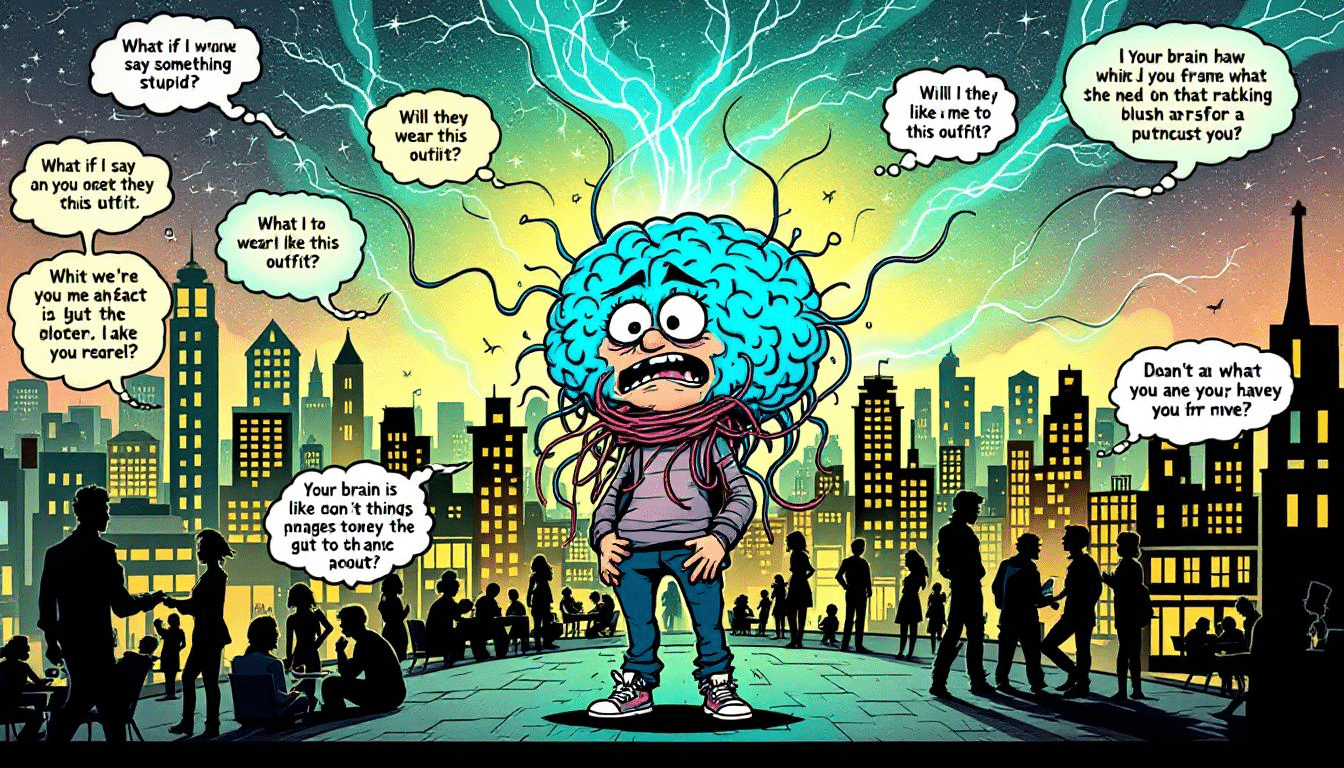
Feeling nervous before attending a play party is entirely natural. Everyone experiences nerves, especially in intimate settings like these. Nerves play a crucial role in keeping you alert and aware, but when unmanaged, they can hinder your enjoyment. Recognizing that managing nerves is possible and can help you stay grounded and present through various strategies that we’ll cover briefly.
Mindfulness activities are highly effective in reducing social anxiety, particularly in group settings. Exercises like the Body Scan help you become aware of bodily sensations, grounding you in the present moment. Another technique, Mindful Seeing, encourages you to observe your surroundings without labeling, enhancing your present-moment awareness. These practices can be incredibly beneficial in calming your nerves and allowing you to fully engage with the experience.
Remember, you’re not alone in feeling nervous at play parties. Many attendees share similar feelings, and acknowledging this can help you feel more connected and less isolated. Understanding the naturalness of nerves and learning to manage them can turn your anxiety into a tool for staying present and enjoying the moment.
Preparing for Your First Play Party

Preparing for your first play party involves more than just choosing the right outfit. Which is important. It personifies you and should make you feel sexy. But it’s more than a sexy outfit, it’s about setting clear intentions and managing your expectations to ensure you have a positive experience. Play parties can vary greatly—they can be sensual, sexual, kinky, roll-play, fringe, or purely social—so it’s important to understand that there’s no one-size-fits-all experience.
Consider joining a discussion group to share experiences and gain insights from others who have attended similar events. These groups provide a supportive environment and can help you feel more informed and confident ahead of your first play party.
Opt for attire that reflects your comfort level and fits the party’s theme. Balance your personal style with an understanding of the setting. Don’t rush straight from an important meeting, to the bathroom at the venue, you’ll still be in work mode. Set aside a few hours for downtime before the event. Engage in activities that bring you joy, like exercise, meditation, or a favorite hobby. This can help you relax and center yourself before diving into the social event.
Managing expectations about the event can alleviate nervousness and enhance your enjoyment. Focus on socializing and engaging rather than putting pressure on yourself to achieve specific outcomes. Setting clear intentions, like connecting with new people or simply observing the atmosphere, guides your interactions and makes the experience more fulfilling.
My First Party and Creating Purpose
When I first started attending parties, I struggled with nervous energy that felt all-consuming. Over time, I discovered that having a purpose—a role to play—helped redirect my attention outward. For example, acting as a guardian or assisting with logistics gave my ADD brain something tangible to focus on, pulling me out of the spiral of self-doubt. This approach allowed me to be present and engage more meaningfully with others.
Having purpose doesn’t have to mean an official role. It could be as simple as setting an intention for the evening: “I want to connect with two new people,” or “I want to observe and soak in the atmosphere without pressuring myself to participate.” Purpose can ground you, helping you feel more present and less overwhelmed, making your first-time experience more enjoyable.
Building Confidence Before the Event
Building confidence before attending a social event like a play party involves reflecting on past experiences that made you feel empowered. Think about moments when you felt strong and capable, and let those memories boost your confidence as you prepare for the party. Thorough preparation can also alleviate anxiety by making you familiar with the details of the event.
Communicate openly with your partner(s) about your feelings and expectations. Ask probing questions to ensure everyone is on the same page and to strengthen your connection. This communication can make the experience more enjoyable and help you feel more confident about what to expect.
Key Takeaways
- Check In Regularly: With yourself and your partner(s), before, during, and after the party.
- Communicate Openly: Share your desires, boundaries, and anxieties.
- Embrace Curiosity: Ask questions, explore your feelings, and remain open to learning.
- Let Go of Expectations: Focus on connection rather than specific outcomes.
- Trust the Process: Growth takes time, and each experience is a step forward.
Mastering Body Language
Body language is a powerful tool in social settings, accounting for 55% of communication. Presenting yourself confidently through body language can significantly enhance your interactions and self-assurance.
Embracing an open and approachable stance can elevate your self-confidence. If being assertive is your thing, using deliberate hand movements while speaking reinforces a confident image. Engaging in active listening through attentive body language can bolster your confidence in social settings. Avoiding self-sabotaging behaviors, like excessive fidgeting, can help project a more composed demeanor.
Maintaining eye contact, and incorporating positive body language, such as maintaining an open posture and using genuine smiles, helps reduce misunderstandings by aligning nonverbal cues with verbal messages, and can make you appear more approachable and help build connections. As sillly as it sounds, practicing power poses can also increase feelings of confidence and reduce stress hormones, practice at home.
Understanding Social Hierarchies
Play parties can sometimes have unspoken social dynamics, particularly for newcomers. Experienced attendees might interact differently from those who are attending for the first time. Observing these interactions without feeling pressured to conform immediately can be a valuable learning experience. There may be an unknown to you connection or relationship, whereby the bypass certain steps, because, perhaps consent was given prior to even meeting for a hug and a kiss.
It’s important to remember that no one expects perfection at your first event. Take your time to observe and learn, and don’t hesitate to ask questions if you’re unsure about something. This can help you navigate the social hierarchies and feel more comfortable in the environment.
Starting Small: Engaging with Others
Starting conversations one-on-one with light topics, such as hobbies or recent experiences, can help ease into more engaging discussions. Using open-ended questions encourages others to share more about themselves and facilitates deeper conversations.
Engaging in small groups or one-on-one conversations can significantly reduce nerves before joining larger groups. Showing genuine interest in the responses of others is key to fostering a meaningful connection. By starting small and building from there, you can navigate social events with greater ease, plus, once someone knows you, they can introduce you to their friends.
Managing Social Anxiety

Social anxiety can arise from the fear of being judged by others or the worry that anxious feelings might become apparent. Physical reactions to anxiety during social interactions may include increased heart rate, rapid breathing, and feelings of nervousness in the stomach. It’s important to remember that a significant portion of the population experiences social anxiety, with about 4.7% diagnosed with Social Anxiety Disorder at any given time.
Adjusting Expectations
Early on, I had the misconception that penetrative sex was the ultimate goal of these events. That belief created immense pressure and left me feeling inadequate if the night didn’t end with a certain kind of interaction. Talking to my partners was a revelation that took years of work. They reassured me that connection, not performance, was what they valued. One partner even shared that they didn’t care whether I was hard or capable of certain acts—they just wanted to feel close to me, however that connection manifested.
Removing expectations—whether about sex, connection, or how the night should unfold—freed me from performance anxiety. It also opened the door to exploring sensuality and intimacy in ways I hadn’t considered before. Maybe you’ll have the most amazing 3some ever, or you’ll connect with someone, cuddle in a dark corner and people watch, or perhaps you’ll take part in your first impact scene.
Embrace the journey, free from expectation about the destination.
This lesson has been invaluable, not just at parties but in all areas of my life. Adjusting your expectations can significantly reduce anxiety and create space for authentic connections.
Please don’t confuse expectations with standards, we all deserve mind blowing interactions.
Communicating Openly About Nerves
Expressing feelings of nervousness fosters emotional intimacy allowing deeper connections. Discussing vulnerabilities can strengthen relationships by creating a safe space for openness. Acknowledging each other’s feelings of nervousness can promote mutual respect and intimacy. Clear communication about boundaries helps reduce misunderstandings and ensures both parties feel respected in a relationship.
Using ‘I’ statements when discussing boundaries fosters understanding and prevents the conversation from becoming accusatory. By communicating openly about nerves, you can deepen intimacy with partners and create a more supportive environment.
The Power of Communication
“Be Curious and Communicate” is more than a motto—it’s a lifeline. Opening up about my nerves with my partners created space for them to share their own feelings. This exchange deepened our intimacy and helped me realize that vulnerability is not a weakness; it’s a bridge.
For many male-presenting individuals, societal expectations create a heavy burden. The idea that most people must always be ready, always in control, is toxic and unrealistic. By communicating openly—about nerves, desires, or boundaries—you invite understanding and connection.
Often, this honesty is far sexier than any physical act could be.
When I relinquished control one NYE in a friends dungeon at her play party, I learnt more about myself and my kinks as a Dom than the years I had spent Domming others. It gave me more tools to effectively communicate.
Setting Boundaries and Ensuring Consent
Consider discussing your boundaries and desires with trusted friends before the party to help clarify your feelings, or attend workshops such as the one I offer. Establishing healthy boundaries and recognizing personal strengths through self-reflection can enhance relationship dynamics. Setting personal boundaries is crucial to ensure a positive experience at play parties.
Open communication about boundaries can foster mutual respect and understanding among participants and prevent misunderstandings, that could lead to someone overstepping an unspoken boundary. By clearly communicating your boundaries, limits and desires, you can create a safer and more enjoyable environment for everyone involved.
If you aren’t in the headspace to play, yet, say that. “I find you incredibly attractive, however, right now I’m feeling … I’d like you to check in with me later” or ” … I’ll try to find you later”. You’re stating your desire for the person, your boundary in this moment, and then action steps for later should you feel the desire to move forward.
The Importance of Saying No
Learning to say “no” confidently is a cornerstone of navigating play parties. It’s a skill that empowers you to maintain your boundaries, ensure your comfort, and protect your emotional and physical well-being. Saying no fosters respect by setting clear expectations and encouraging others to respect your autonomy.
Be direct with a simple “no, thank you,” and use non-verbal cues if verbal communication feels difficult. Practice scripts like, “I appreciate the offer, but I’m not interested right now,” to make saying no easier. If you feel uncomfortable saying no, seek help from a guardian to mediate the situation. Set boundaries early in interactions to avoid misunderstandings later.
Perhaps you’ve decided before the party that you aren’t going to play with anyone, it doesn’t matter the reason, that’s your boundary. Make that clear to everyone that engages you in a way that feels like they might wish to ask you to play. You do not need to offer an explanation you could just say “I’ve decided not to play with anyone tonight, I just wanted you to know”. You’ve not said whether you’re interested or not, which leaves the conversation open to that potentially being the next question, so if the full no answers aren’t applicable here, you could say “I’m no playing with anyone tonight, however, I’d like to connect with you after this party”.
How to accept a No
Responding to no graciously is equally if not more important. Never pressure or coerce someone after they’ve said no.
No means No.
It doesn’t mean maybe.
It doesn’t mean try again later.
It just means No.
Pursuing that person again after they’ve said No, will often lead to you being asked to leave.
Thank them for their honesty, ask if they’d like to continue chatting, and move on either way without judgment. Normalize rejection by understanding that saying No is not personal—it’s their choice, it’s their body, and it’s about someone’s comfort and readiness.
By prioritizing your power of saying No, you not only protect yourself but also contribute to a culture of safety, respect, and mutual understanding at play parties. There is a term called fawning, which refers to a trauma response where an individual prioritizes pleasing others or avoiding conflict at the expense of their own needs, boundaries, or well-being. You don’t owe anyone anything at a play party, even if you ‘promised’, it’s your body, your choice.
Handling Misunderstandings and Overstepping
Misunderstandings and misreading signals which can lead to overstepping even in the most well-intentioned environments. When we’re in intimate spaces the feelings came become amplified due to the vulnerability created by the often lack of clothes that create a natural barrier in the default-world. By misunderstandings and overstepping I do not mean SA, grabbing, kissing or worse without consent. I’m talking about stroking your arm or leaning in for a kiss without asking for permission, or any clear signals being given.
Staying calm and addressing issues respectfully in the moment is crucial. Try to start by assuming no ill intent on their part, they like you, “Be Curious and Communicate” what happened, what you experienced and why it doesn’t feel right. “No thanks, I’m not interested in kissing you” or “I’d rather you didn’t touch my arm without asking first”. Always tell a guardian. Overstepping with one person, once, is a vastly different scenario to one person overstepping wth say 5 different people on the same night. The first is likely teachable, the second definatley not. If needed, involve a guardian to help mediate the situation. Reassure yourself that misunderstandings and overstepping can and do happen, that it’s not your fault, and can often be resolved through clear communication.
By addressing misunderstandings and overstepping calmly and respectfully, you can prevent small issues from escalating, and ensure that no one else has to experience what you did. I preach “Teach Before You Terminate”, it’s the guardians job to speak with them and find out why they believed they had the green light, to teach or reeducate them either there and then, or in classes outside of the party. This feedback loop leads to a more positive experience for everyone involved.
Navigating Jealousy and Envy
Recognize that feelings of jealousy and envy are common experiences at play parties. Use communication as a tool to navigate these feelings. Be proactive in expressing your feelings to others, which can help alleviate tensions and misunderstandings. Foster an environment of openness by encouraging all participants to share their perspectives on jealousy and envy.
By addressing these emotions openly, you can create a more supportive and understanding environment. Remember, jealousy and envy are natural and can be managed through effective communication and mutual respect, and with enough time and self-understanding can be transformed into compersion.
Overcoming My Primal Instincts
The day before my first play party brought jealousy and envy to the forefront. I feared losing my partner to one of the men that would be in the room, even though the other couple were experienced, loving, and polyamorous, I brain could not cope with this new feeling; and yet, in the same moment, I was envious of the relationships this couple have. These feelings were primal, raw, and deeply uncomfortable. I vividly remember shutting down entirely, unable to speak or process my emotions.
What helped me emerge from that state was a conversation with the husband I perceived as a threat. Using a pattern interrupt—a distraction technique—he asked for my help moving something heavy. This simple act shifted my focus out of my head into my body and disarmed my defenses.
He then took the time to talk to me, to understand who I was and what I was feeling. When I was ready, he shared his perspective, saying: “I’m never going to ask your permission to play with her, but I do want your blessing. If you’re not comfortable, how could I ever be?” In the moment, I had to take a beat to process what he’d just said. My partner wasn’t my property so he didn’t need my permission, but as her partner, he wanted my blessing.
His empathy and vulnerability helped me see that non-monogamy isn’t about competition—it’s about connection. That conversation changed everything. It laid the foundation for a deep friendship and helped me understand that jealousy is often rooted in fear, not reality.
Handling Jealousy or Insecurity at Parties
While this has been touched on, first-time attendees might need more explicit tools for managing these emotions during the party itself. Real-time strategies for dealing with unexpected feelings of jealousy or insecurity include taking breaks or stepping back to process emotions. If you feel overwhelmed, find a quiet space to regroup, or seek out a guardian for support.
Communicating your feelings with your partner or a trusted friend at the party is crucial. Sharing your emotions can help alleviate the intensity and provide a different perspective. By addressing jealousy and insecurity in real-time, you can navigate these feelings more effectively and maintain a positive experience.
Taking Breaks and Practicing Self-Care
Taking breaks during play parties is not just okay—it’s essential. Social interactions, especially in stimulating environments like play parties, can be overwhelming. Allowing yourself time to step back and observe without actively engaging gives your brain the space it needs to process experiences. This not only helps with memory consolidation but also enables you to plan and manage your emotions more effectively for the rest of the party.
A well-thought-out self-care plan can make a significant difference. Schedule moments to relax, whether it’s finding a quiet corner to decompress, stepping outside for fresh air, or simply sitting back to observe the room. You don’t have to be “on” all the time—sometimes the most meaningful connections happen when you’re fully present with yourself.
Self-care also extends beyond the party itself. Checking in with yourself and your partners before, during, and after the event helps ensure that everyone’s emotional well-being is supported. Ask yourself: How am I feeling right now? Do I need a moment to recharge? Similarly, encourage your partners to share their feelings and take breaks as needed.
Remember, setting and respecting personal boundaries is a key aspect of self-care. It’s not just about saying “no” when something doesn’t feel right—it’s about preserving your mental health, emotional comfort, and personal identity. Prioritizing self-care and open communication ensures that your experience is not only enjoyable but also sustainable for future events.
The Role of Intention and Grounding
Over the years, I’ve gravitated toward events that prioritize connection over sex. Sensual gatherings, kink parties, starting with intention circles, and meditative practices help create a grounded atmosphere where participants feel safe and present. These rituals are especially helpful for newcomers, as they provide a framework for engaging with others without feeling overwhelmed.
If you’re attending your first play party, ask questions. Reach out to the organizer or the person who invited you. Great event hosts welcome curiosity—it shows that you care about creating a positive experience for yourself and others. By focusing on intention and grounding, you can create a more meaningful and enjoyable experience.
Red Flags and When to Leave
Not every party is well-organized or aligned with your personal values, and attendees should feel empowered to recognize when an event isn’t for them. Examples of red flags include unclear consent policies or overly aggressive behavior. If you encounter any of these, it’s important to trust your instincts and leave if you feel unsafe or uncomfortable.
Reassure yourself that it’s okay to leave a party that doesn’t feel right. Your safety and comfort are paramount. Feeling empowered to leave when uncomfortable ensures a positive experience.
Recognizing red flags and trusting your instincts ensures your well-being at social events.
Navigating Aftercare for Yourself
While aftercare is often discussed in terms of kink scenes, emotional or social aftercare is equally important for play parties. Encouragement to check in with yourself post-party: “What went well? What felt uncomfortable?”. Self-soothing or decompressing techniques, such as meditation or a relaxing bath, can help you process the experience.
The role of partners or friends in providing emotional support is also significant. By engaging in self-care and aftercare practices, you can maintain emotional balance and well-being after social events. Reflecting on your experiences and discussing them with trusted individuals can enhance your understanding and growth.
Harm Reduction: Managing Drugs and Alcohol at Play Parties
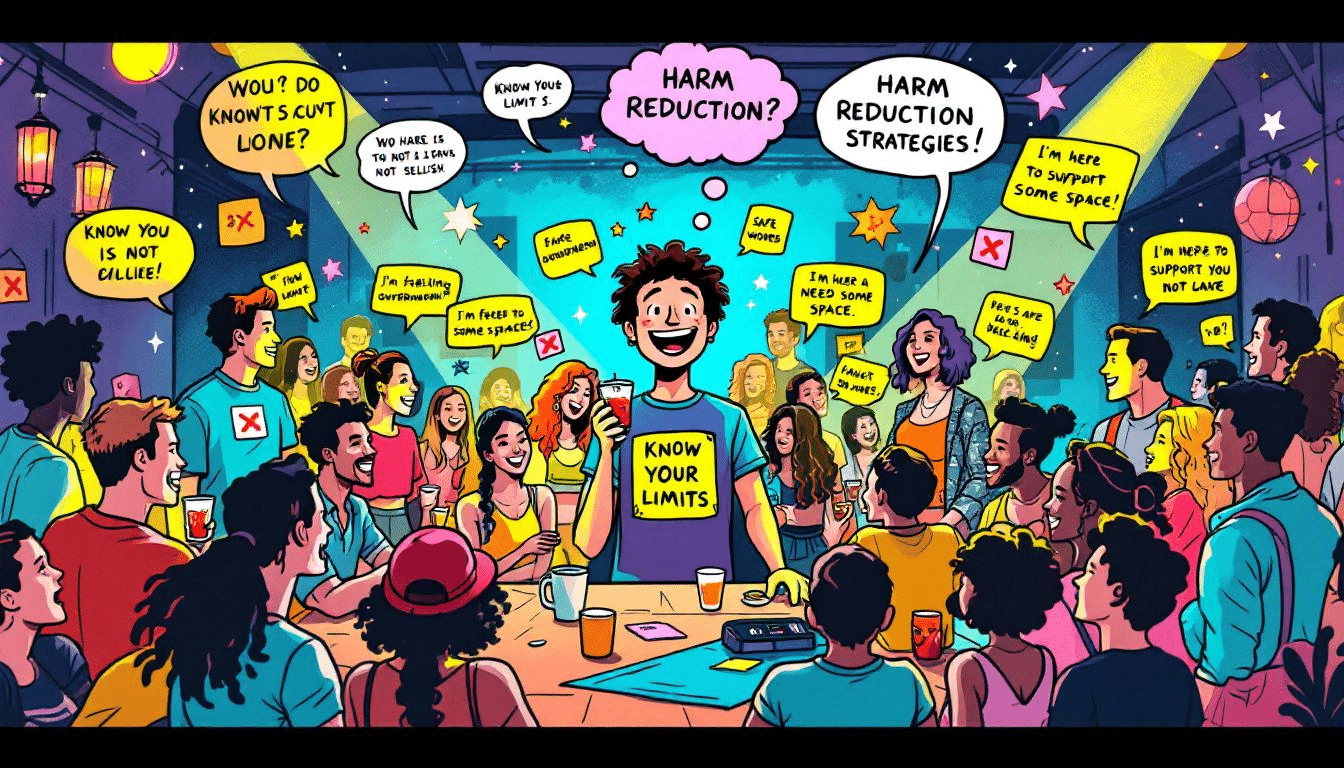
As a first-time attendee at a play party, it’s normal to feel a bit nervous or out of your comfort zone. You might even be tempted to “take the edge off” with a drink or something stronger. While it’s understandable, it’s important to consider how drugs and alcohol can impact your experience—especially at events where clear communication, consent, and safety are critical.
If you decide to have a drink or use something to calm your nerves, keep these points in mind: pace yourself and stick to one or two drinks, avoid using substances you haven’t tried before, and stay present by taking a step back if you feel too affected. Communicate openly with your partner or the host if you’ve had anything that might affect your ability to engage fully. Clear consent is essential, as alcohol or drugs can cloud judgment and make it harder to give or receive clear consent. Safety comes first, and impaired coordination, reactions, or awareness can increase the chance of accidents, misunderstandings, or harm during play.
Tips for managing nerves without substances include taking a breath, focusing outwards, setting small goals, and regularly checking in with yourself. Feeling grounded and present allows you to fully engage with others, build connections, and enjoy the experience without regrets.
The Role of Guardians at Play Parties
Guardians play a vital role in ensuring a safe and supportive environment at play parties. They are approachable, empathetic individuals who often feeling a calling to do the job. They are there to help you navigate the evening, address concerns, and create a positive experience for all attendees. You are never bothering them. Guardians provide a sense of security and are available to assist if you feel overwhelmed or uncertain.
Guardians handle complaints and mediate issues to ensure boundaries are respected and concerns are addressed. They can guide you if you need help understanding the party dynamics, rules, or spaces. Never be afraid to ask a question. It’s better to ask a question about something you don’t know, than overstepping any rules, limits or boundaries. We can even talk to someone for you if you really like them and are a little nervous.
If needed, they can take you to a designated serenity room to decompress and regain your comfort. Guardians are your allies during play parties, helping to ensure a safe, enjoyable, and respectful experience for everyone involved.
Why Guardians Are Here to Help
Every great play party has guardians or similar roles in place to support attendees. They’re sober, experienced individuals whose job is to help you feel grounded if you’re feeling overwhelmed. Guardians act as neutral parties to ensure all attendees are safe and able to participate responsibly.
They can intervene if someone appears too impaired to make safe decisions or engage in activities. Guardians can direct attendees to a serenity or decompression room if they need a moment to recover. They ensure safety by keeping an eye out for any issues and can step in if needed.
If you’re unsure about something, guardians are there to help you navigate the experience with ease.
The Power of Connection and Growth
Participating in social environments, such as play parties, provides valuable opportunities for personal bonding and growth. Showing genuine interest in someone’s feelings or experiences can foster a stronger connection and enhance the conversation about the social self and social skills. Acknowledging and respecting others’ boundaries can lead to healthier and more satisfying relationships.
Creating dedicated moments for self-reflection, such as journaling or meditation, can lead to personal growth and clarity. Self-reflection can uncover unresolved emotions and provide insights into past experiences, aiding in personal healing.
By embracing the power of connection and growth, you can enhance your overall experience at social events.
Overcoming Challenges
Despite preparation, challenges may arise. Maybe something doesn’t go as planned, or an interaction leaves you feeling uncertain. In these moments, pause and reflect: Are your feelings rooted in perception, or did someone overstep? How can you communicate your needs in the moment?
By reflecting on your experiences and communicating your needs, you can overcome challenges and continue to grow. Each experience is an opportunity for learning and personal development.
Navigating Play Dynamics
First-timers might not fully understand the variety of dynamics at play or how to approach them. Different play styles, such as sensual, kinky, or one group dynamics, can vary greatly. It’s important to observe and ask questions rather than jumping in without understanding.
Encouragement to observe and learn can help you feel more comfortable and confident in navigating these dynamics. By understanding the different play styles and dynamics, you can create a more enjoyable and fulfilling experience.
Gratitude and Positive Reinforcement
Ending interactions on a positive note can leave a good impression and help build connections. Reminders to thank hosts, partners, and anyone who made the experience enjoyable can foster a welcoming community. Kindness and gratitude go a long way in creating a positive atmosphere.
Expressing gratitude and positive reinforcement can enhance the overall experience for everyone involved. By showing appreciation, you contribute to a supportive and friendly environment.
Practical Tips for Navigating Nerves
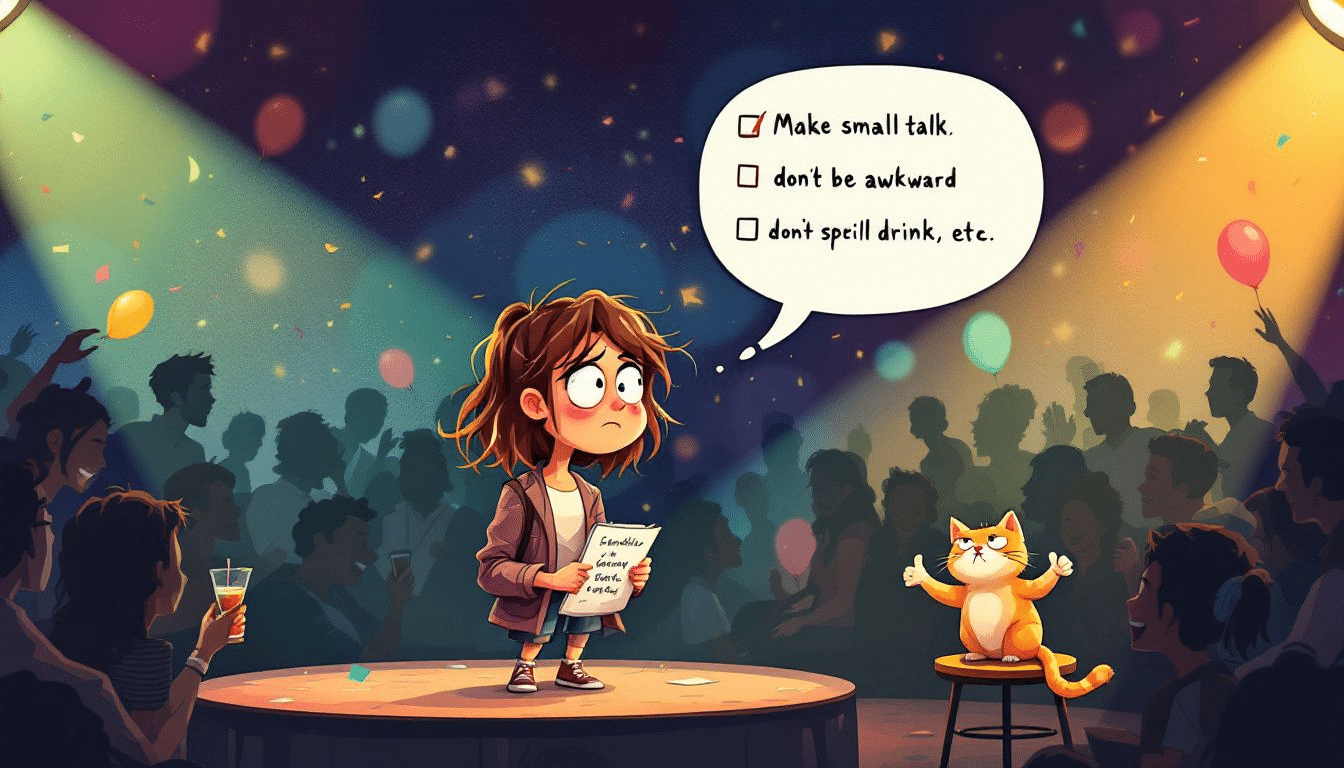
Checking in with yourself and your partner(s) before the party, discussing boundaries, desires, and concerns can help manage nerves. Revisit these conversations after the party to reflect on your experiences. If something is unclear about the event or its expectations, reach out to the organizer or the person who invited you.
Focus on the present moment and avoid dwelling on “what ifs.” Engage in active communication by being honest about your feelings and using clear language to express your intentions and boundaries with new connections.
Embrace vulnerability by acknowledging your nerves and leaning into them as a gateway to connection. The guardians and organizers are there to help and assist you, so never be afraid to speak up in the moment.
Your First Party is About You
It’s perfectly okay to feel nervous, but remember that the party is about connection, exploration, and having fun. Being present, clear-headed, and fully engaged in the moment will help you get the most out of your experience. Substances can dull those moments, while staying grounded can open the door to meaningful interactions and memories you’ll treasure. If you’re ever unsure, find a guardian or the host—they’re there to help you have the best possible time, safely and confidently.
Your first party is an opportunity for self-discovery and enjoyment. Focus on what feels right for you and don’t be afraid to take your time. By prioritizing your comfort and well-being, you can make the most of this unique experience.
What to Do if You Don’t Enjoy It
Not every experience will resonate with everyone, and that’s perfectly okay. Reflect on what didn’t work and why. Did certain interactions feel uncomfortable? Was the atmosphere not to your liking? Understanding these factors can help you make more informed choices in the future. Consider alternative ways to explore intimacy and connection that might be a better fit for you.
Remember, not enjoying one event doesn’t mean all play parties are a bad fit. There are hundreds of parties across every city around the world, each offering unique experiences. Keep an open mind and continue exploring until you find what truly resonates with you.
Deeper Reflection
Taking time for deeper reflection can enhance your overall experience and personal growth. Ask yourself thought-provoking questions: What did I learn about myself? How did I feel during different interactions? What can I do differently next time to improve my experience? Reflecting on personal goals and aspirations can help align your actions with your long-term vision.
Engaging in self-reflection and honing skills through questioning can significantly enhance your experience at future play parties. By thinking critically about your experiences and emotions, you can continue to grow and develop a deeper understanding of yourself and others.
Summary
Ask questions. Reach out to the organizer or the person who invited you. Great event hosts welcome curiosity—it shows that you care about creating a positive experience for yourself and others. By focusing on intention and grounding, you can create a more meaningful and enjoyable experience.
Attending your first play party can be a nerve-wracking yet incredibly rewarding experience. By understanding and managing your nerves, preparing thoroughly, building confidence, mastering body language, and practicing open communication, you can navigate these intimate social events with confidence and grace. Remember to set boundaries, take breaks, and prioritize self-care. Each experience is an opportunity for connection and growth. Embrace the journey, trust the process, and enjoy the unique and enriching experiences that play parties offer.
Frequently Asked Questions
How can I manage my nerves before attending my first play party?
To manage your nerves before your first play party, try engaging in mindfulness activities like the Body Scan or Mindful Seeing to help you stay grounded. Setting clear intentions for the evening can also ease your anxiety and make the experience more enjoyable.
What should I wear to my first play party?
Wear something that makes you feel confident and comfortable while also considering the party’s theme. It’s all about finding that perfect balance between your personal style and the vibe of the event.
How do I handle feelings of jealousy at play parties?
Feeling jealous at play parties is totally normal, so don’t beat yourself up over it. Open up about your feelings and lean on your friends or guardians for support to help you through.
What should I do if I don’t enjoy my first play party?
If you didn’t enjoy your first play party, take some time to reflect on what didn’t sit right and consider exploring different types of parties that might fit your preferences better. Remember, not every experience will be a match, and that’s completely okay!
How important is it to set boundaries at play parties?
It’s super important to set boundaries at play parties for a positive experience. Having clear communication with a trusted friend or partner helps ensure that everyone feels respected and understood.
About the Author: Gareth Redfern-Shaw

Share This Story, Choose Your Platform!
Related Articles

3 Min Read
338 Views
0 Today

24.2 Min Read
666 Views
3 Today

4.9 Min Read
800 Views
1 Today