
Why should we drop the ‘e’ from ENM? The term ‘ethical’ often implies a moral superiority in Ethical Non-Monogamy. This article explores the benefits of removing ‘ethical’ and discusses why we should drop the e from enm, focusing on consent and respect to create a more inclusive framework.
Key Takeaways
- Ethical Non-Monogamy (ENM) is based on consent, communication, and respect among individuals engaged in multiple romantic connections.
- The term ‘ethical’ can create a moral hierarchy, suggesting ENM is superior to other forms of consensual non-monogamy and can overlook unethical behaviors.
- Focusing on terms like ‘consensual non-monogamy’ instead of ‘ethical’ promotes inclusivity and emphasizes mutual respect and communication without imposing judgments.
Understanding Consensual Non-Monogamy
I’m sure we all know that Ethical Non-Monogamy (ENM) is a relational arrangement where individuals engage in multiple consensual romantic or sexual connections. At its core, ENM emphasizes agreed consent between all parties involved, highlighting the importance of open communication, honesty, and respect. Open dialogue about desires, boundaries, and expectations maintains trust and stability in these relationships.
In many ENM arrangements, having a primary partner can lead to deeper emotional bonds and foster self-growth, highlighting the importance of communication and trust in maintaining the integrity of the primary relationship while engaging in outside interactions.
ENM encompasses various forms, including polyamory, open marriages, and swinging. Polyamory involves having more than one romantic relationship simultaneously, with the consent of all partners. Open marriages allow partners to engage in sexual activity with others outside their marriage, while swinging typically involves couples participating in casual sex with other couples or individuals.
ENM’s beauty lies in its flexibility and emphasis on communication. Whether you’re a relationship anarchist valuing autonomy and fluidity or someone exploring multiple consensual romantic connections, the key is maintaining transparency and respect. Trust and honesty set ethically non-monogamous relationships apart from those where secrecy and deceit prevail, making them distinct from enm relationships. Relationship anarchy is a perspective that aligns with these values.
The Debate Around the Term “Ethical”
The term ‘ethical’ in Ethical Non-Monogamy raises important questions. Some argue that labeling non-monogamy as ‘ethical’ implies that non-monogamous relationships are otherwise considered unethical by default. This can create an unnecessary moral hierarchy, suggesting that ENM is superior to other forms of consensual non-monogamy.
Critics also highlight that associating non-monogamy with ethics can lead to overlooking unethical behaviors within these relationships. Just because a relationship is labeled ‘ethical’ doesn’t mean it’s immune to issues like deceit or disrespect. The interpretation of what constitutes ethical behavior is highly subjective, varying greatly based on personal values and cultural backgrounds.
Navigating differing views on what is ethical presents a significant challenge in ethical non-monogamy. This can lead to misunderstandings and conflicts, as each person’s perception of ethical behavior might differ. For instance, while one person might feel secure with their partner engaging in casual sex with others, another might have possessive feelings such as envy or jealousy, making such behavior feel unethical, depending upon how you define those two words.
Supporters of using ‘consensual’ instead of ‘ethical’ argue that ethics are subjective, advocating for a focus on mutual consent and respect. Emphasizing consent over ethics fosters a more inclusive dialogue, acknowledging diverse relationship styles without imposing moral judgment.
Are monogamous folks more likely to cheat?

The question of whether monogamous individuals are more likely to cheat often sparks heated debates. Statistically, people in monogamous relationships are more likely to cheat than those in non-monogamous ones. This is primarily because cheating in a monogamous relationship is defined as a violation of the agreed-upon exclusivity, whereas non-monogamous relationships are designed with open communication and consent regarding multiple partners.
Understanding that open communication isn’t unique to non-monogamous relationships is important. Monogamous couples can and do also engage in transparent discussions about their desires and boundaries, especially when they are committed to one partner. However, societal norms around monogamy often pressure individuals to maintain exclusivity, or to push down and hide their needs, wants and desires, sometimes leading to secretive behavior if they choose to cheat.
In non-monogamous relationships, cheating usually involves engaging in sexual or emotional activities outside established boundaries without consent from all involved parties. This requires clear communication and agreed-upon rules, reducing the likelihood of infidelity. However, it’s important to remember that anyone, regardless of their relationship structure, can still choose to cheat.
We must both avoid framing non-monogamy as inherently better in some way than monogamy, and monogamy as limiting and devoid of open communication. Both relationship styles have their unique challenges and benefits. The takeaway is that ethical behavior—honesty, respect, and consent—is vital in any primary relationship, any relationship in fact, monogamous or non-monogamous, regardless of relationship style.
Implications of Using “Ethical”
Using the term ‘ethical’ in non-monogamy can have unintended implications. It often creates a perception of superiority, implying that ethically non-monogamous relationships are more valid or respectful than other forms of consensual non-monogamy. This can stigmatize individuals who practice non-monogamy without identifying with the term ‘ethical’.
The label ‘ethical non-monogamy’ can inadvertently judge those who don’t use it, implying their relationships lack moral principles. This judgment can alienate individuals within the non-monogamous community, creating divisions based on terminology rather than shared values.
Defining what is ‘ethical’ often depends on personal and cultural contexts. Therefore, while some might find the term empowering, others might view it as exclusionary. The focus should be on actions—consent, communication, and mutual respect—rather than specific labels.
I was always taught, “don’t hate the person, hate their actions“. The same rule applies here, if the relationship is consensual, honest, and respectful, however there actions are in direct contradiction to this, then perhaps we could say that their behavior is unethical, but does that make the relationship unethical, or merely the actions of one or more parties?
The Subjectivity of Ethics
Ethics are inherently subjective, shaped by individual perceptions, cultural norms, and societal standards. What one person considers ethical might differ significantly from another’s viewpoint. This subjectivity makes it challenging to establish a universal definition of ethical behavior in relationships.
Ask yourself and a couple of friends to write down their definition of “being open” and “being poly”, these are fairly simple terms, however, did you all give a different definition, now, open a bottle or 3 of wine and ask them to define ethics. What makes someone ethical? What makes a relationship ethical? What about moral? Are any of those people religious and does that change the way they answer the question? Have their been cheated on? Have they cheated? What relationship styles were modeled to them as kids and young adults?
In ethically non-monogamous relationships, ongoing communication and flexibility ensure that all partners feel respected and valued. Ethical behavior is demonstrated through actions like consent, honest communication, and mutual respect, rather than terminology.
Focusing on these principles creates a more inclusive framework accommodating diverse perspectives and experiences. It fosters a sense of security and trust, where everyone involved feels heard and respected.
The Importance of Communication in Non-Monogamy
Communication is the cornerstone of any successful relationship, and this is especially true for non-monogamous relationships. With multiple partners and relationships to navigate, open and honest communication becomes even more crucial. It helps prevent misunderstandings, hurt feelings, and conflicts, ensuring that everyone involved feels heard and respected.
In non-monogamous relationships, it’s essential to establish clear boundaries, expectations, and agreements with all parties. Regular check-ins and ongoing communication can help ensure that everyone’s needs are being met and that the relationship is working for all involved. This continuous dialogue builds trust, intimacy, and connection with multiple partners, fostering a healthy relationship environment.
Non-monogamous relationships require a high level of emotional intelligence, empathy, and self-awareness. Practicing active listening, using “I” statements, and avoiding assumptions can significantly improve communication. By prioritizing these skills, individuals in non-monogamous relationships can navigate their connections more effectively, creating a supportive and understanding dynamic.
Navigating Primary Relationships in Non-Monogamy
In non-monogamous relationships, the primary relationship often holds a special place as the most important and committed connection. This primary relationship can provide comfort, security, and emotional support, serving as a stable foundation amidst the complexities of multiple romantic connections.
However, balancing multiple relationships can be challenging, making it essential to prioritize the primary relationship. Communication, trust, and honesty are crucial in maintaining a healthy primary relationship. Establishing clear boundaries and agreements with all parties involved helps ensure that the primary relationship remains strong and fulfilling.
Regular check-ins and ongoing communication are vital to ensure that the primary relationship is working for both partners. Non-monogamous relationships can be a catalyst for growth and self-discovery, and the primary relationship can benefit from this personal development. Prioritizing the primary relationship by making time for regular date nights, romantic getaways, and quality time together can help maintain a strong connection.
By focusing on these principles, individuals in non-monogamous relationships can navigate their primary relationships with care and intention, fostering a supportive and loving environment for all involved.
Alternative Approaches to Terminology
Consider terms like ‘consensual non-monogamy’ or simply ‘non-monogamy’ instead of ‘ethical’. These alternatives emphasize mutual consent and respect without implying a moral hierarchy, including consensually non monogamous relationships.
Focusing on actions over labels demonstrates ethical behavior more effectively. Prioritizing consent, communication, and respect fosters a more inclusive dialogue reflecting the diversity of relationship styles within the non-monogamous community.
Fostering Inclusivity in Non-Monogamous Communities
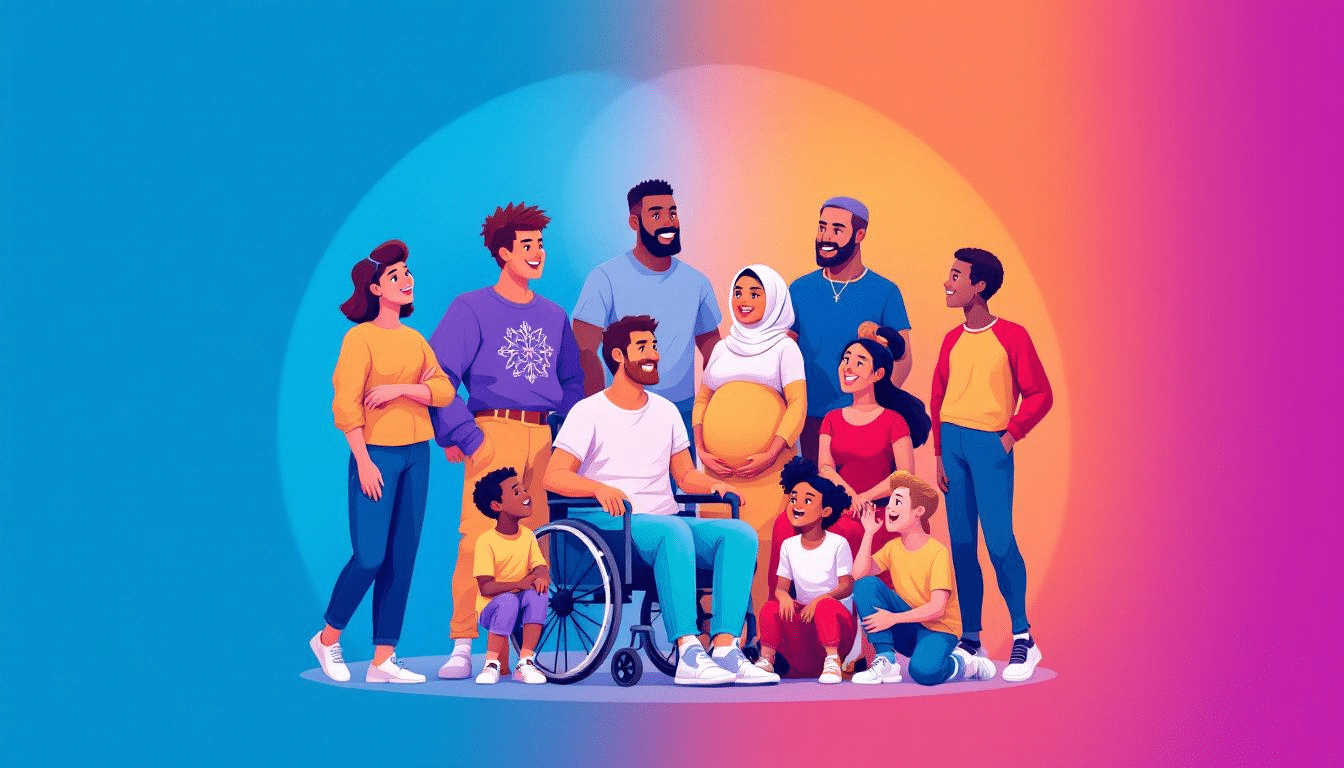
Creating inclusive and judgment-free spaces is vital for effective communication about personal desires and boundaries in non-monogamous relationships. By examining our own use of language, we can ensure that all individuals feel recognized and respected within their communities.
Joining discussion groups or social events with ENM individuals enhances communication skills and promotes understanding of diverse relationship styles. Education plays a crucial role in navigating non-monogamous dynamics, encouraging self-reflection and open dialogue.
Focusing on principles like consent, communication, and respect creates a more inclusive and meaningful framework for non-monogamous relationships. This approach avoids unintentional judgment and promotes a culture of acceptance and inclusivity.
Addressing Concerns About Dropping “Ethical”
Some worry that dropping ‘ethical’ from ENM could downplay the importance of consent and respect. However, these concerns are often unfounded, as ethical conduct is common within non-monogamous communities. Many in non-monogamous arrangements prioritize ethical behavior, making it inherent to their relationships regardless of terminology.
Alternative terms like ‘consensual non-monogamy’ or simply ‘non-monogamy’ still emphasize mutual consent and respect. Focus should remain on communication, respect, and consent, core features of any healthy relationship, whether open or not.
Assuring readers that ethical behavior is embedded in many non-monogamous relationships and romantic relationships can alleviate fears about losing focus on respectful behavior.
The Evolution of Language in Relationships

Language is dynamic, evolving over time, reflecting our growing awareness of diverse identities and fostering inclusivity. As society progresses, new terms may better capture the complexities of our experiences. Generational shifts influence how language is perceived, with younger individuals often more receptive to evolving terminology.
Media, such as films and television, can educate others about ENM and alleviate misconceptions. Revisiting terms can help communities grow and become more inclusive, ensuring language reflects shared values and fosters connection.
Deeper Reflection: Rethinking Language and Practices
Practicing polyamory emphasizes transparency and communication, requiring ongoing discussions about boundaries and emotional dynamics, especially when more than one person is involved. Posing open-ended questions can inspire readers to rethink their language, intentions, and practices in non-monogamous relationships.
Engaging in conversations with partners and communities about the role of language fosters deeper connections and reflects shared values. This reflection can motivate readers to consider the impact of their language on their relationships and communities.
Summary
Throughout this blog post, we’ve explored why dropping the ‘E’ from ENM could simplify our understanding of non-monogamous relationships and foster inclusivity. We’ve discussed the subjective nature of ethics, the implications of using ‘ethical,’ and suggested alternative terminologies. By focusing on principles like consent, communication, and respect, we can create a more inclusive and meaningful framework for non-monogamous relationships.
Let’s continue to challenge our assumptions, reflect on our language, and engage in thoughtful dialogues about our relationships. By doing so, we can foster a culture of acceptance and inclusivity that celebrates the diversity of human connections.
[rsc_aga_faqs]
About the Author: Gareth Redfern-Shaw

Share This Story, Choose Your Platform!
Related Articles

3.9 Min Read
488 Views
0 Today

6.7 Min Read
349 Views
1 Today

3.7 Min Read
247 Views
2 Today