
How does gender identity intersect with kink? Gender identity and kink are deeply intertwined, offering individuals a space to explore, express, and affirm their authentic selves. In this article, we will delve into how understanding gender identity enriches experiences within the kink community and fosters respect and inclusivity. Expect to learn about the definitions and roles of gender identity, gender expression, and biological sex in kink, as well as personal stories and practical advice for navigating these topics.
Key Takeaways
- Understanding gender identity is crucial in the kink community, fostering trust and respect among participants.
- Kink provides a platform for individuals to challenge traditional gender roles and express diverse identities, promoting inclusivity.
- Effective communication and consent are fundamental in exploring gender identity within kink, helping create safe and supportive environments.
Understanding Gender Identity in Kink

In the kink community, grasping gender identity fosters trust, safety, and respect. Gender identity, gender expression, and biological sex are key concepts shaping our experiences and interactions. Exploring these concepts enhances our appreciation for diverse identities and the significance of open dialogue in kink relationships.
Communicating effectively about gender identity in kink activities ensures respect and validation for all participants. Recognizing that kink and gender are personal and vary for each individual fosters a more inclusive and understanding environment.
Here, we explore the definitions and roles of gender identity, gender expression, and biological sex in kink.
Defining Gender Identity
Gender identity is an individual’s deeply-held sense of their gender, which may or may not align with societal expectations or biological sex. It is a personal and internal perception that defines how one identifies, whether as male, female, both, neither, or somewhere along the gender spectrum. Recognizing gender identity helps us appreciate the diverse experiences within the kink community.
In kink, individuals often explore and affirm their gender identities through various roles and dynamics. This exploration allows for a richer and more authentic expression of self, free from societal constraints. Recognizing the complexity and fluidity of gender identity helps create a more supportive and inclusive kink community.
The Role of Gender Expression
Gender expression refers to the external manifestation of one’s gender identity through behavior, attire, and roles. In kink, this can be seen in the way individuals choose to dress, the roles they adopt in BDSM play, and their interactions with partners. Traditional gender roles often dictate that women are submissive and men are dominant, but kink provides a space to challenge and redefine these norms.
Diverse gender expressions are increasingly represented in the kink community. Women embracing dominant roles and men exploring submissive dynamics challenge societal expectations. Non-binary individuals also find a platform to express their sexuality without conforming to traditional norms, enriching the community with unique perspectives.
The Impact of Biological Sex
Biological sex refers to the physical and physiological characteristics that define humans as male or female. However, gender identity is an individual’s deeply-held sense of being male, female, or something else, which may align with or differ from their biological sex. This distinction highlights the complexity of gender and the importance of recognizing individual experiences.
In kink, preferences and roles are influenced more by gender identity and personal experiences than by biological sex, with particular interest in how individuals across the gender spectrum engage in kink activities that defy traditional notions of gender roles, creating a more inclusive and diverse community.
Recognizing the difference between biological sex and gender identity fosters respect and acceptance within kink spaces.
The Intersection of Gender Dynamics and Kink
Kink is a complex language where individuals express their roles and identities through specific terms and labels. For many, kink serves as a pathway to explore and affirm their gender identities. Intersectionality plays a significant role in these experiences, especially for marginalized genders. By acknowledging and addressing discriminatory behaviors, we can foster accountability and create a more inclusive kink community.
Diversity in kink communities enriches the collective experience, fostering a broader understanding and appreciation of different gender identities. Examining personal biases about gender norms within kink practices can lead to more respectful and informed interactions. We explore traditional gender roles, breaking stereotypes, and the role of power exchange in affirming gender identities.
Traditional Gender Roles in Kink
Historically, traditional gender roles have shaped perceptions of kink, often confining individuals to specific roles based on their gender. These roles have led to narrow interpretations of who can be dominant or submissive, reinforcing stereotypes that fail to encompass the richness of human desire and expression.
In recent years, there has been a growing visibility of individuals who defy these norms, showcasing that kink can be an open space for all expressions of power and submission, regardless of gender. Celebrating this diversity enriches the kink community and allows individuals to embrace their authentic selves beyond traditional roles, reflecting the values of BDSM culture.
Breaking Stereotypes: Diverse Expressions
Kink provides a unique opportunity for non-binary and genderqueer individuals to find validation by defying traditional gender norms and expectations. Contemporary insights into gender identity reflect diverse experiences that challenge traditional binaries, allowing for a richer expression of self.
Kink provides a space for individuals to break away from traditional roles, such as women embracing dominant positions or men exploring submissive dynamics. This diversity of expression fosters a more inclusive and supportive kink community, where all identities are valued and respected.
Power Exchange and Gender Identity
Engaging in power exchange within kink can provide a platform for individuals to explore and affirm their gender identities, promoting personal growth. Non-binary and transgender individuals often navigate societal expectations while exploring their identities through kink, finding a supportive community that encourages self-discovery.
Transgender individuals frequently use kink as a safe space to challenge and redefine societal norms regarding gender. This exploration enhances understanding of one’s identity, highlighting the critical distinction between biological sex and gender identity.
Personal Journeys: Stories from the Queer Community
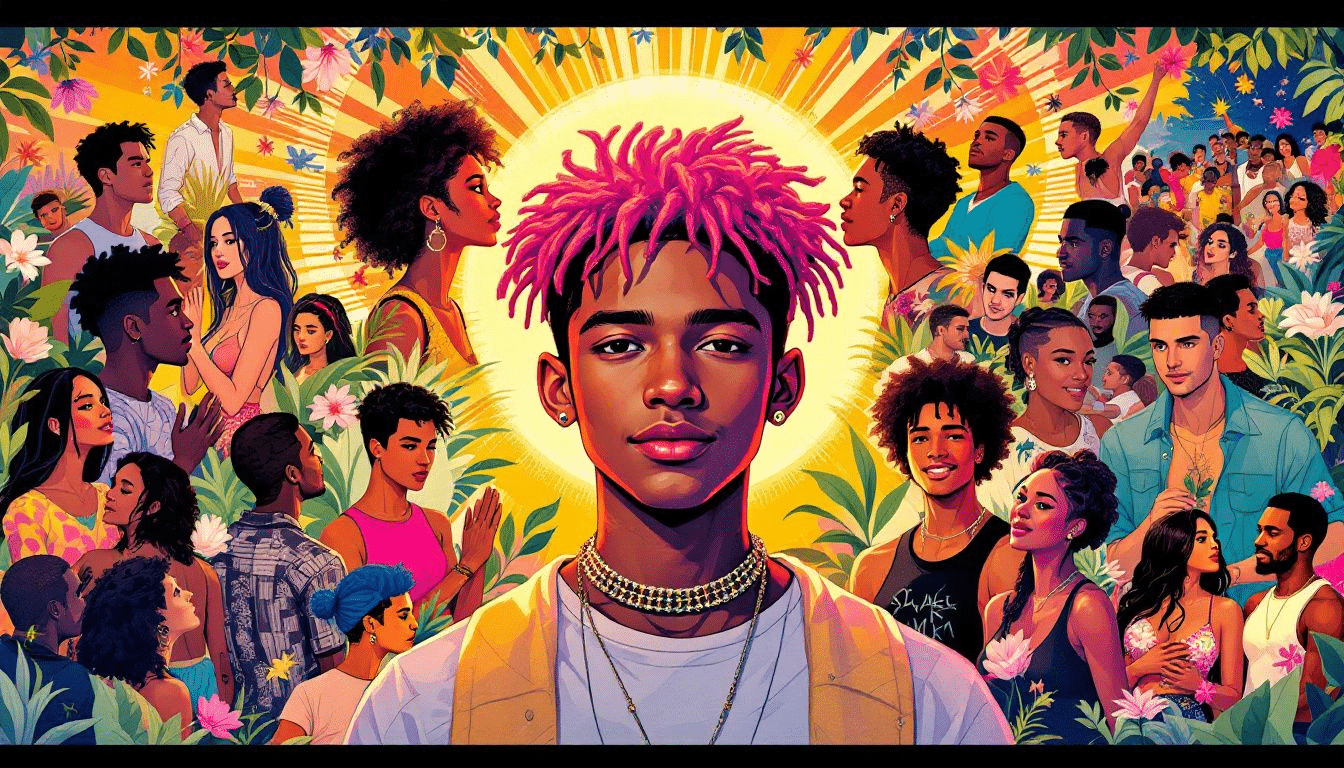
Personal stories from non-binary, genderqueer, and transgender individuals within the kink community highlight the transformative power of kink. Gender dynamics significantly shape the experiences of individuals in kink, influencing both personal relationships and community interactions. Exploring one’s gender identity within the kink community can be a journey of self-discovery that promotes authenticity.
Engagement in kink can deepen understanding of one’s identity, allowing for fluidity and personal growth. Understanding gender identity through kink often involves embracing one’s true self, free from societal constraints.
Non-Binary and Genderqueer Experiences
Self-discovery in kink allows non-binary and genderqueer individuals to redefine their relationship with their bodies and identities. This exploration fosters a deeper understanding of self and promotes authenticity within the kink community, encouraging individuals to embrace their authentic self and explore their bdsm identity.
Non-binary and genderqueer individuals find validation in kink by defying traditional gender norms and expectations. This journey enriches the kink community with diverse perspectives and experiences.
Transgender Narratives in Kink
Kink provides a unique platform for transgender individuals to engage in self-exploration and affirm their identities. Through bdsm role play and power dynamics, they can explore different facets of their gender identity in a safe and consensual bdsm session.
Experimenting with various expressions of self within kink allows transgender individuals to challenge societal norms and expectations. The kink community often serves as a supportive network, fostering acceptance and understanding.
Celebrating Diversity in Kink Communities
Mainstream views of kink are often influenced by conventional gender roles, which can limit the recognition of diverse practices. Visibility for gender-diverse individuals in kink spaces is crucial for fostering inclusivity.
Recognize the contributions of trans, non-binary, and genderqueer educators and advocates in shaping more inclusive kink communities. Their contributions help create a supportive and understanding environment for all participants.
Communication and Consent in Gender Exploration

Establishing clear communication and consent is fundamental in kink to ensure that all participants feel respected and safe. Effective communication is the cornerstone for safe and consensual practices within kink, especially when exploring gender identity. An open mindset fosters personal growth and greater empathy towards oneself and others.
Supportive communities are crucial for individuals navigating the complexities of gender identity and kink. Emphasizing empathy in one’s personal journey can lead to healthier interactions with others in kink communities, positively impacting mental health.
The Importance of Pronouns and Boundaries
Explicit discussions about pronouns and personal boundaries before engaging in kink activities affirm individual identities and set clear expectations. These conversations can significantly enhance mutual respect and comfort in kink dynamics.
A supportive and respectful environment is essential for positive gender exploration in kink. The language surrounding non-binary identities is essential for individuals to articulate their experiences and self-concept.
Creating Safe and Affirming Spaces
Addressing challenges like stigma and misunderstanding is crucial for fostering inclusive kink spaces where gender-diverse individuals can thrive. Addressing microaggressions in kink spaces requires open communication and proactive strategies to foster inclusivity.
Encourage event organizers and community leaders to create inclusive spaces by implementing gender-neutral policies and language. Offering tips for allies and partners in kink to support gender-diverse individuals, such as using and respecting correct pronouns, can make a significant difference.
Overcoming Barriers and Challenges
Gender-diverse individuals in kink spaces often face discrimination, misunderstanding, or microaggressions that can complicate their experiences. Advocating for oneself and others when discussing gender and kink effectively combats barriers, fostering understanding and respect.
Many non-binary people experience gender dysphoria that can be exacerbated by sexual activities, particularly those involving penetration. A supportive community and open communication are essential for overcoming these barriers.
The Role of Media and Representation

Visibility for diverse gender identities in kink spaces promotes acceptance and fosters supportive environments. Representation of gender-diverse individuals in kink communities can enhance the sense of belonging and validation for those exploring their identities.
Celebrity figures like Caitlyn Jenner and Laverne Cox have played significant roles in increasing awareness and visibility of transgender identities in popular culture. Positive media representation helps normalize and validate diverse gender identities and sexual orientations within kink communities, fostering broader acceptance.
Positive Representation in Media
Identities such as asexuality, kink, and consensual nonmonogamies like polyamory have broadened cultural understandings of sexual orientation and sexual practices and sexual diversity. Young people increasingly identify with new languages associated with sexual and gender diversity, reflecting evolving norms and greater acceptance.
Support for same-sex marriage has risen dramatically in the U.S., from 35% at the turn of the century to 71% today, indicating a substantial shift in societal acceptance. Positive media representation helps normalize and validate diverse gender identities and sexual orientations within kink communities, fostering broader acceptance.
Influential Events and Advocacy
Key advocacy events have played a crucial role in advancing awareness and inclusion of gender diversity within kink communities. Events like Pride parades, BDSM conferences, and educational workshops provide platforms for visibility and advocacy, helping to challenge stereotypes and promote understanding.
These events foster a sense of community and support, encouraging individuals to embrace their authentic selves and advocate for inclusivity. By participating in such events, bdsm practitioners can contribute to a more accepting and diverse society.
Reflecting on Personal Beliefs and Assumptions
Reflecting on personal beliefs and assumptions about gender in kink fosters a deeper understanding and respect for diversity. Positive portrayals of gender-diverse individuals in media can lead to increased societal acceptance and understanding. This reflection often involves shifting from identity-based to phenomenon-based language to enhance understanding of gender and sexuality.
Encouraging readers to reflect on their experiences, beliefs, and values can lead to personal growth and a more inclusive mindset. Research suggests that examining our biases and assumptions helps us appreciate the diversity of identities within the kink community.
Self-Reflection Exercises
Self-reflection is crucial for understanding one’s beliefs and values regarding gender and kink. Considering how integral kinks are to one’s identity can help clarify personal values and beliefs. These reflections can lead to both personal growth and deeper acceptance of others’ expressions of gender in kink.
Engage in exercises that prompt you to think about your biases and assumptions. Ask yourself questions like: How do my experiences shape my understanding of gender in kink? What biases might I hold, and how can I challenge them? Reflecting on these questions can deepen your understanding of yourself and others as you practice bdsm.
Cultivating Curiosity and Compassion
Approach your journey with curiosity and compassion. Curiosity and compassion contribute to personal growth and deeper empathy. Embrace the diversity of experiences within the kink community and seek to understand different perspectives.
Engage in continuous learning about gender diversity, participate in community events, and foster supportive relationships. Cultivating curiosity and compassion can create a more inclusive and understanding environment for all.
Deeper Reflection
Self-reflection within the context of gender identity and kink allows individuals to better understand their personal experiences and desires. Consider questions like: What aspects of your gender identity have you not fully explored yet, and how might kink provide a space for that exploration?
How can continuous learning about gender diversity enhance your engagement in kink communities? Reflecting on these questions can deepen your understanding of yourself and your connections with others in the kink community.
Summary
In summary, understanding and embracing gender diversity within kink is essential for fostering a supportive and inclusive community. By exploring gender identity, expression, and the impact of biological sex, we can create a more respectful and enriching environment for all participants. Personal stories from the queer community highlight the transformative power of kink in affirming identities and promoting authenticity.
As we continue to challenge traditional gender roles, celebrate diverse expressions, and advocate for inclusivity, we pave the way for a more accepting and understanding kink community. Embrace your journey with curiosity and compassion, and remember that continuous learning and self-reflection are key to personal growth and deeper connections.
Frequently Asked Questions
What is the difference between gender identity and biological sex?
Gender identity is how someone personally identifies their gender, which can differ from their biological sex, the physical traits typically associated with being male or female. It’s important to recognize and respect both aspects in understanding a person’s experience.
How can kink help in exploring gender identity?
Kink can be a powerful tool for exploring gender identity by offering a safe space to experiment with different roles and expressions. It allows individuals to affirm their identities in a consensual and supportive environment.
What are some ways to create a supportive kink community for gender-diverse individuals?
Creating a supportive kink community for gender-diverse individuals means using correct pronouns, implementing gender-neutral policies, and actively addressing microaggressions. Fostering open communication is key to ensuring everyone feels safe and included.
How does media representation impact gender diversity in kink?
Media representation plays a crucial role in promoting acceptance and understanding of diverse gender identities within kink communities. When gender diversity is positively portrayed, it normalizes these identities, helping to create a more inclusive environment.
Why is self-reflection important in understanding gender in kink?
Self-reflection is crucial for grasping gender in kink because it fosters personal growth and acceptance of diverse gender expressions. By looking inward, you gain clarity on your beliefs and values, enhancing your overall understanding and empathy towards others in the kink community.
[rsc_aga_faqs]
About the Author: Gareth Redfern-Shaw

Share This Story, Choose Your Platform!
Related Articles
3.5 Min Read
288 Views
0 Today