
Most of us spend our days saturated with input. Notifications, people talking in the background, fluorescent lights, traffic noise, the constant hum of the modern world pressing against every sense we have. Sensory deprivation flips that equation entirely, and the experience is far less intimidating than it sounds. Here’s what you actually need to know.
Quick Answer: What Is Sensory Deprivation?
Sensory deprivation is a short, controlled reduction of external stimuli, including sound, light, touch, and gravity, designed to promote deep relaxation and restoration. It reduces or eliminates stimuli from the five senses in a safe, time-limited setting. Short-term sensory deprivation can induce relaxation and reduce stress, and it can be therapeutic when used in controlled environments.
In wellness contexts, sensory deprivation almost always refers to float therapy: lying in a tank of warm, heavily salted water in complete darkness and silence.
Here are the essentials before we go deeper:
What Is a Sensory Deprivation Tank (Float Tank)?
A sensory deprivation tank is a lightproof, sound-insulated pod or room filled with shallow water, heavily saturated with magnesium sulfate (commonly known as epsom salt) to support effortless buoyancy. The setup is simpler than most people imagine, and far more comfortable.
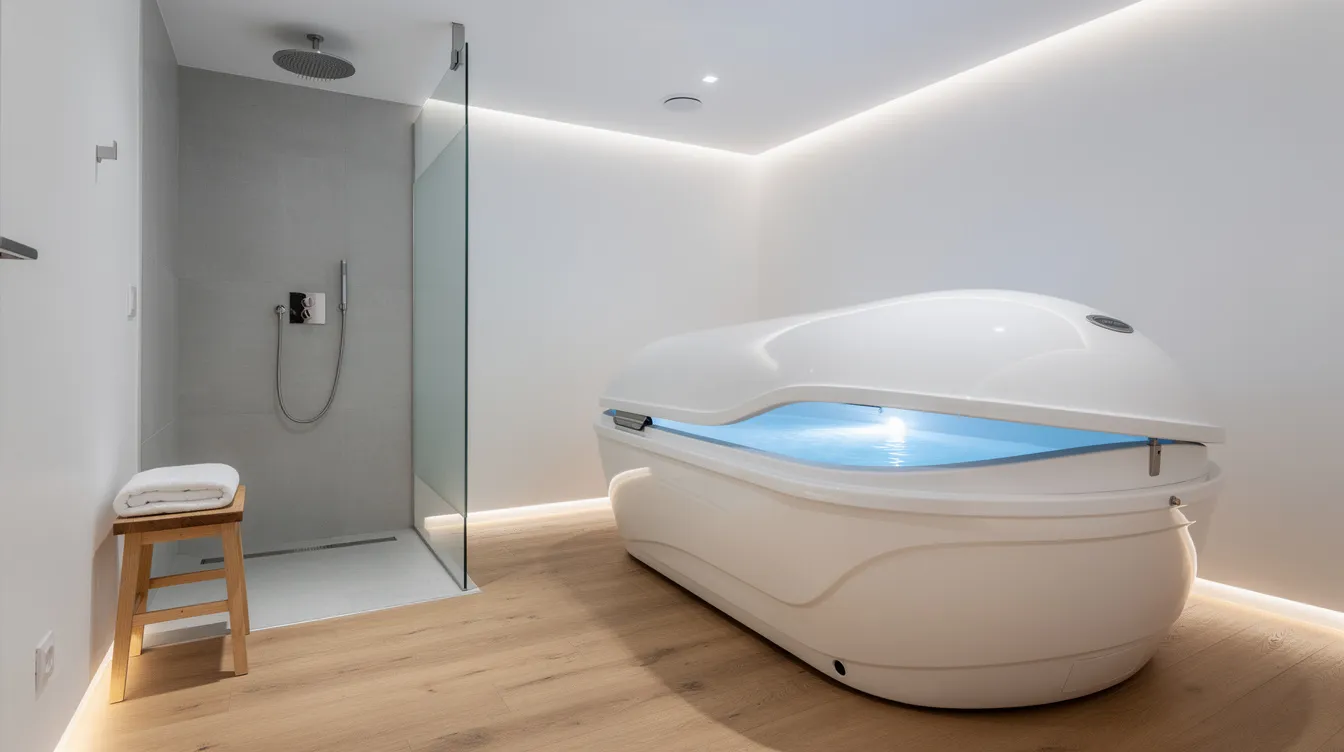
How Sensory Deprivation & Float Therapy Actually Work
Float therapy combines three interlocked elements: sharply reduced sensory input, near-zero gravity buoyancy, and water heated to skin temperature. Together, these create a unique environment where the brain has almost nothing external to process, and the body can fully let go.
The Science of Sensory Deprivation & Restricted Environmental Stimulation Therapy (REST)
REST has been studied since the 1950s, and the research has grown considerably more rigorous in recent decades. What started as a curiosity about consciousness has evolved into a clinically relevant intervention.
Benefits of Sensory Deprivation & Float Therapy
Most people notice something after even one session, though the positive effects tend to deepen with regular practice. The many benefits span both the mind and body in ways that often surprise first-time floaters.
Risks, Misconceptions & Long-Term Deprivation vs. Therapeutic Use
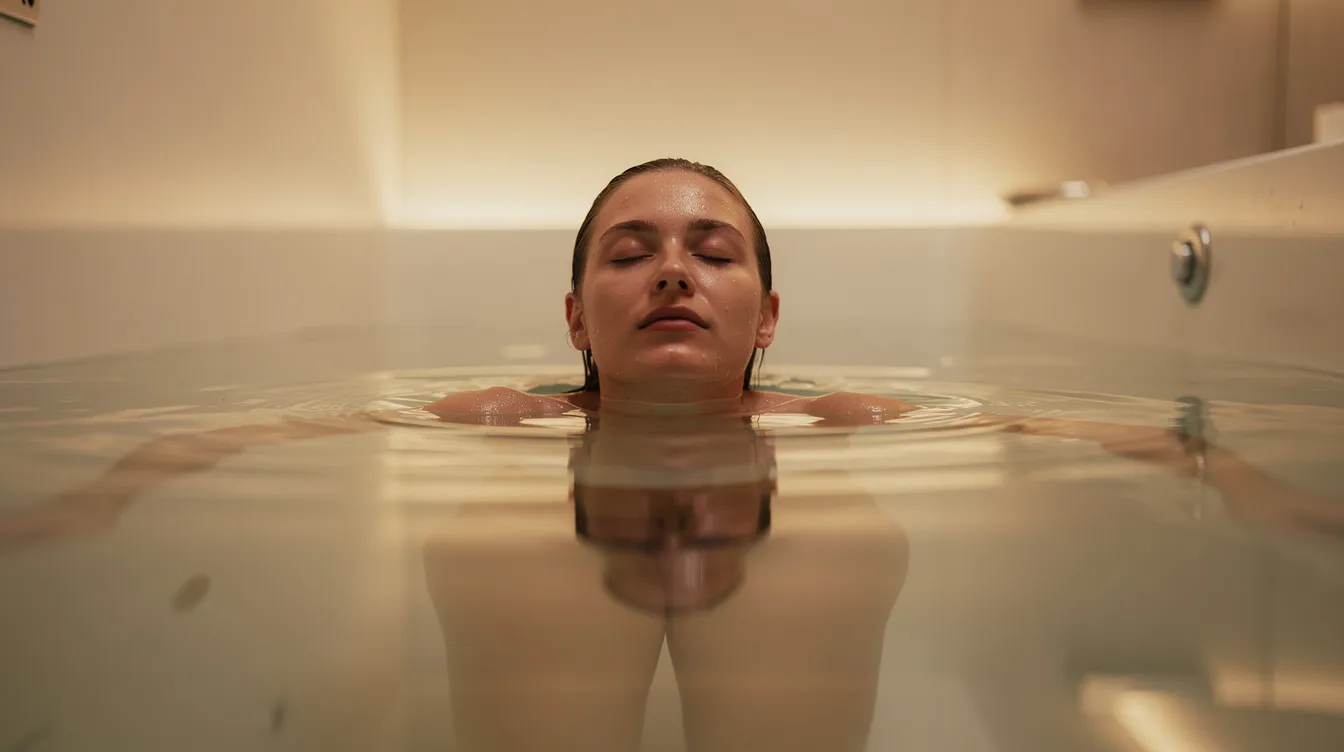
Short, supervised floatation therapy sessions are generally safe for healthy adults. In reality, the gap between therapeutic REST and harmful deprivation is enormous, and understanding that gap matters.
Types of Sensory Deprivation Experiences
Sensory deprivation today comes in several formats. Types of sensory deprivation include partial and total, and each has its place depending on your comfort level and goals.
What to Expect in Your First Float Session
Your first float will probably feel a little strange, and that’s completely fine. Most centers are staffed by people who understand first-time nerves and will walk you through every step. Here’s what the process actually looks like.

Who Can Benefit Most from Sensory Deprivation?
Float therapy is broadly helpful, but certain groups tend to feel the benefits most acutely because of the specific ways stress, pain, or cognitive overload show up in their lives.
Preparing for Sensory Deprivation: Practical Tips & Best Practices
Good preparation makes a real difference, especially for your first float. A few small choices beforehand can help you settle in faster and go deeper.
Frequently Asked Questions About Sensory Deprivation Tanks
Here are the questions almost everyone asks before their first float.
Trying Sensory Deprivation for Yourself: Next Steps
Treat your first float as an experiment, not a miracle cure. One session will give you a taste. Several sessions will give you real data about what this practice can do for you.
About the Author: Gareth Redfern-Shaw

Share This Story, Choose Your Platform!
Related Articles

13.5 Min Read
12 Views
3 Today

7.8 Min Read
27 Views
0 Today

20 Min Read
66 Views
0 Today