
When someone is living through abuse, the distance between silence and a single phone call can feel infinite. SAFE exists to close that gap, offering real, immediate, and ongoing support to anyone affected by domestic and sexual violence in Central Texas and beyond.
Immediate Help and SAFEline Services
If you or someone you know is experiencing domestic violence, sexual assault, child abuse, sex trafficking, or any form of interpersonal abuse, SAFE provides free, confidential support around the clock. SAFEline is available 24/7 for abuse victims, and no one has to navigate this alone.
If you or a family member is in immediate danger or seriously hurt, call 911 right away.
Here’s what to expect when you contact SAFEline:
These services are free regardless of immigration status, income level, gender identity, or your relationship to the person causing harm. Every person who calls, texts, or opens that chat window matters.

Who We Are and What SAFE Does
SAFE Alliance is a nonprofit organization serving Central Texas, committed to ending domestic violence, sexual assault, sexual violence, child abuse, human trafficking, and other forms of interpersonal abuse. The SAFE Alliance serves survivors of child abuse and domestic violence while also functioning as a nationally recognized model for integrated survivor services, focusing on the whole person rather than isolated incidents.
Key focus areas include:
SAFE’s work is organized around three pillars. First, prevention and education: school-based programs, youth leadership, healthy relationship curricula, and community training. Second, direct services for survivors: emergency shelter, crisis intervention, legal advocacy, counseling, and forensic support. Third, community advocacy and systems change: collaborative work with local governments, law enforcement, health systems, and policy makers to improve how institutions respond.
SAFE serves individuals, families, and communities through services that are trauma-informed, survivor-centered, culturally responsive, and LGBTQIA+ inclusive. The mission is clear: to create a community free from domestic and sexual violence, grounded in safety, healing, justice, and equity.
The Lancaster: Housing and Healing for Survivors
One of the most concrete solutions SAFE has developed is The Lancaster, a 60-unit supportive housing complex in Travis County designed for people experiencing homelessness and survivors of domestic and sexual violence. The Lancaster will provide 60 units for survivors who need long-term stability, not just a temporary bed.
The Travis County Commissioners Court dedicated $7.2 million toward the project, and the formal groundbreaking took place on June 13, 2024. The site is a five-story building in East Austin, approximately 59,515 square feet, with a portfolio of unit types: 12 efficiency units, 32 one-bedroom apartments, and 16 two-bedroom apartments. Amenities include community spaces, laundry, controlled access, and proximity to transit, schools, and healthcare.
What makes The Lancaster essential is its integration of on-site support. Residents will access trauma-informed case management, survivor-led peer support, benefits counseling, primary healthcare referrals, legal services, education resources, and employment guidance. Rent for many units will be covered through project-based vouchers, targeting survivors with very low income.
Consider a composite example: a survivor who fled domestic violence, cycled through emergency shelters multiple times, lost stable employment because she had no permanent address, and watched her children’s schooling suffer. Moving into The Lancaster means she can begin working part-time, her kids attend a nearby school, she receives on-site counseling, and the cycle of returning to an unsafe situation breaks. That’s the difference between emergency shelter delivery and permanent supportive housing.

Domestic and Sexual Violence: What Survivors May Experience
Domestic violence is a pattern of coercive, controlling, and often escalating behavior by a current or former partner or family member. Sexual assault is any sexual act without consent. Sexual violence encompasses a broader range of nonconsensual acts, including harassment, coercion, and exploitation. Many survivors experience these together, in overlapping ways, and that overlap is something SAFE is fully aware of in every aspect of its practice.
Common patterns in domestic violence include:
Sexual violence can occur within intimate relationships, families, workplaces, social settings, or trafficking situations. What defines it is the absence of consent, regardless of relationship status or history.
That distinction matters in broader discussions of consent, too. In bdsm communities, for instance, the framework of risk aware consensual kink, or rack, was coined in 1999 by Gary Switch to acknowledge that nothing is 100% safe in bdsm. RACK differs from SSC (Safe, Sane, Consensual) by allowing riskier sexual behaviors while demanding that participants remain responsible and informed. RACK promotes awareness of risks in bdsm activities and includes activities considered edgeplay by some. The underlying principle is informed consent: every person involved must understand the risks and freely agree. What separates consensual play from violence is always consent.
Survivors commonly experience shock, fear, shame, anger, confusion, numbness, difficulty sleeping, and trouble concentrating. These are valid, understandable responses. Abuse is never the survivor’s fault. SAFE’s approach reinforces this through nonjudgmental, survivor-led support and safety planning, meeting people where they are.
How SAFE Supports Survivors
SAFE offers a continuum of services so that survivors can access help at whatever point feels right for them. No one has to be in crisis to reach out, and no one has to have it all figured out first. This patient centered approach lets the survivor lead.
Core services include:
For children and youth affected by violence, SAFE offers therapeutic services, advocacy with schools and child welfare systems, supervised visitation through Planet SAFE, and the SAFE CARES program serving young people aged 12 and up who have experienced exploitation or trafficking.
SAFE’s collaborative work with sane (Sexual Assault Nurse Examiner) programs and medical partners ensures quality forensic exams and follow-up care for patients. SANE training includes both classroom and clinical components, and nurses must have two years of experience before entering SANE training. SANE training must meet IAFN SANE Education Guidelines, an international standard. Certification tests include the SANE-A® and SANE-P® exams, and SANE practice requirements vary by state or country. Programs like the Albuquerque SANE offer free services 24/7 for victims and provide culturally sensitive medical treatment, demonstrating how this model works across communities. Each nurse on these teams is dedicated to trauma-informed, patient centered care.
SAFE staff help survivors navigate courts, protective orders, housing programs, the police department, and public benefits. Performance metrics show over 90% of shelter guests experienced increased self-sufficiency. All services prioritize the survivor’s own choices and goals.
Prevention, Community Education, and How to Get Involved
Stopping domestic and sexual violence requires more than crisis response. It demands community-wide change. SAFE invests in prevention programs, training, and policy advocacy to address root causes, and this work extends into every corner of how communities think about safety.
Examples of prevention efforts include:
Broader safety awareness also matters in a city like Houston, where risks extend beyond interpersonal violence. Road rage is a serious concern in Houston. Houston is prone to flash flooding during heavy rains, and driving during floods can sweep a car away with just a few inches of water. Houston requires safety awareness due to intense weather conditions, and the Atlantic hurricane season lasts from June through November. Hurricane preparedness includes maintaining an emergency kit. Flood risks should be evaluated when choosing a neighborhood. School districts correlate with safer neighborhoods in Houston, and top-performing public schools are often found in safer neighborhoods. Proximity to work is critical due to Houston’s significant traffic congestion. Master-planned communities offer controlled environments for families. You should evaluate neighborhoods at different times to assess safety, lock vehicles and avoid leaving valuables in plain sight to prevent theft, investigate crime data using tools like CityProtect or SpotCrime on their websites, and use neighborhood platforms for real-time security alerts. Michael Sloan, an urban safety associate and page contributor for several safety-focused resources, has written about how these everyday precautions store up resilience in the same way that survivor services do.
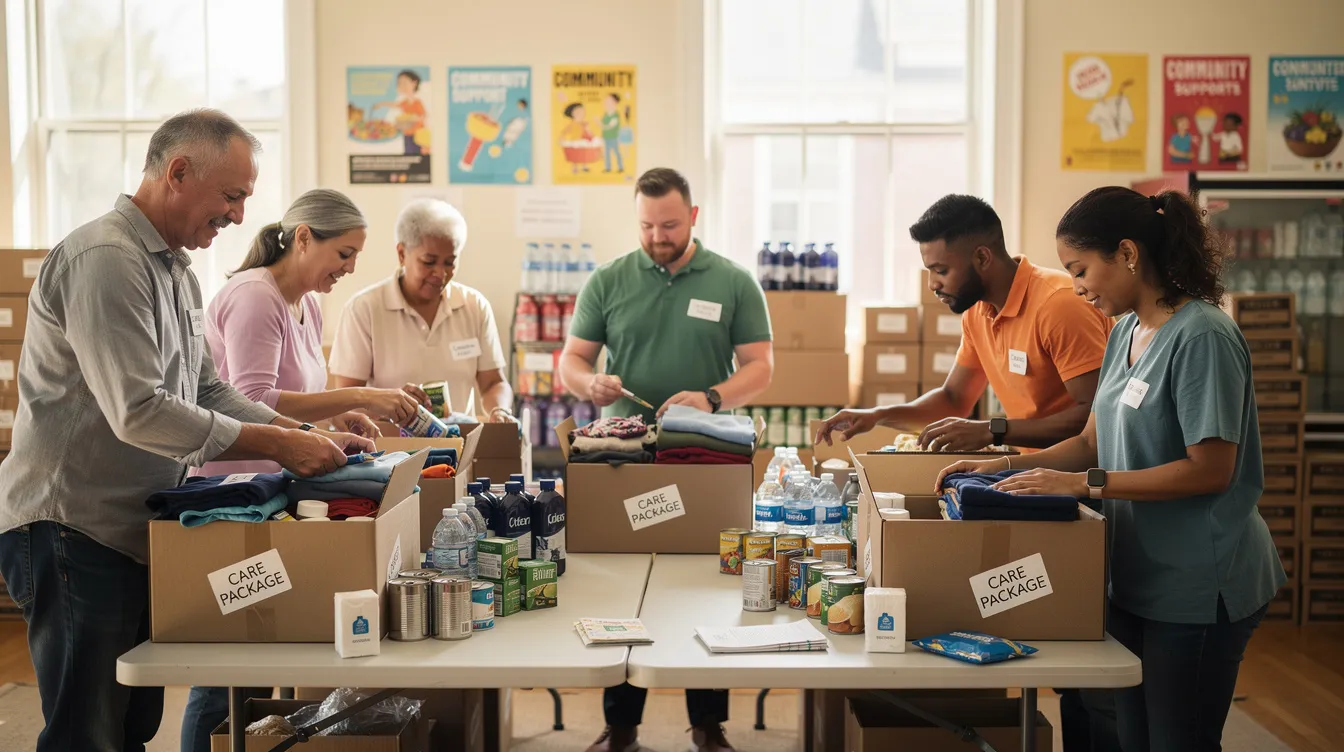
Here’s how you can support SAFE directly: volunteer at a shelter or in advocacy, donate money or essential items, host awareness events, share SAFEline contact information widely, and advocate for policies that fund survivor services. Whether serving on a team or simply starting a discussion, every action can contribute to change.
Visit SAFE’s website to explore current opportunities, trainings, and events. Safety is something we build together, and it starts with being responsible enough to act.
About the Author: Gareth Redfern-Shaw
