
Introduction: What “Practicing Safe Sex” Really Means
There’s no such thing as completely risk-free sex. That might sound blunt, but it’s actually freeing once you sit with it. Practicing safe sex, often more accurately called safer sex, isn’t about achieving perfection or living in fear. It’s about making informed, intentional choices that reduce the risk of sexually transmitted infections, HIV, and unintended pregnancy while still allowing you to experience genuine sexual pleasure and connection. Safer sex involves informed and consensual sexual activity, and it applies to every kind of sexual contact: oral sex, vaginal sex, anal sex, and even genital skin to skin contact.
This guide is for everyone, regardless of gender, sexual orientation, or relationship structure, whether you’re in a monogamous relationship, navigating non-monogamy, exploring casual connections, or somewhere in between. We’ll cover key techniques first (condoms, barriers, STI testing), then move into specific practices for different kinds of sex, communication strategies, and what to do when things don’t go as planned. The scale of what we’re talking about matters: roughly 374 million new curable STI infections occurred globally in 2020 among adults aged 15 to 49, and 20% of the U.S. population had an STI on any given day in 2018. This isn’t a niche concern. It’s a shared one.
Core Principles of Safe Sex
Safer sex rests on three pillars: barrier protection, risk awareness, and communication paired with consent. Effective safe sex techniques include using barrier methods and getting tested, and treating these as complementary rather than interchangeable makes a real difference.
- How STIs travel. Sexually transmitted infections spread through semen, vaginal fluids, rectal fluids, blood, and skin contact with infected areas. Understanding these routes helps you make better decisions about which protections to use and when.
- Lowest risk options. Mutual masturbation and sexual activity that avoids fluid exchange or mucous membrane contact carry the least risk. Solo play carries none at all.
- Risk is a spectrum. Safe sex isn’t binary. It ranges from no-risk (solo play) to higher-risk (unprotected sex with partners of unknown status), with many choices in between. Consistent use of barriers limits direct contact with bacteria and viruses that cause STIs, but no single method covers everything.
- Combine strategies. Rather than relying on condoms alone, layer your protection: condoms plus HPV vaccination plus regular testing plus open conversation with sexual partners. Many STIs are asymptomatic and untreated infections can cause long-term health complications, which is exactly why combination approaches matter.
Barrier Methods: Condoms, Internal Condoms, and Dental Dams
Physical barriers remain the single most important technique for making sex safer across partners and sexual activities. Here’s what you’re working with.

- External condoms. The classic male condom, made from latex, polyurethane, or polyisoprene (for those with latex allergies). Latex condoms and polyurethane condoms both protect during vaginal sex, anal sex, and oral sex on a penis. With perfect use, external condoms are about 97 to 98% effective at preventing pregnancy; typical use drops to around 85 to 87% due to errors like late application or early removal.
- Internal condoms. The female condom is inserted into the vagina or anus before sex. Internal condoms are single-use, can be placed ahead of time, and offer an alternative when a partner prefers not to wear an external condom. Never use an internal condom and an external condom simultaneously, as friction between them increases breakage risk. Female condoms provide up to about 95% pregnancy protection with perfect use.
- Dental dams. Thin sheets of latex or polyurethane placed over the vulva or anus during oral sex. Using dental dams can protect against STIs during oral sex, including herpes, HPV, and bacterial infections. Flavored options exist and can make the experience more pleasant.
- Gloves and finger cots. Nitrile or latex gloves for fingering, fisting, or any digital penetration reduce STI transmission risk and protect skin from microtears, especially relevant when handling bodily fluids.
- Matching barriers to activities. For penetrative sex involving a penis, use an external condom. For vaginal or anal receptive protection, consider an internal condom. For oral sex on a vulva or anus, use a dental dam. For hands-on contact with a partner’s genitals or mucous membranes, gloves provide an easy layer of barrier protection. Using condoms on sex toys prevents STI transmission when sharing or switching between body parts.
How to Use Condoms and Barriers Correctly
Here’s the thing: a condom that’s used incorrectly is dramatically less effective. Studies suggest that up to 40% of sexual encounters involve at least one condom-use error, like putting it on late, removing it early, or using the wrong lubricant. Correct and consistent use is what separates “I use condoms” from actual protection. Using condoms reduces the risk of STIs during sex, but only when the details are handled well.
- Check before you open. Look at the expiration date, feel for an air pocket in the packaging, and make sure nothing’s been punctured. Don’t store condoms in a wallet for months or leave them in hot cars. You can purchase condoms at pharmacies, sexual health clinics, or even vending machines, and many clinics offer free condoms.
- Putting on an external condom. Open carefully (no teeth or sharp nails), pinch the tip to leave space for ejaculate, and roll it down onto a fully erect penis before any sexual contact with a partner’s body. After ejaculation, hold the base of the condom and withdraw while still erect. Tie it off and dispose in the trash, not the toilet.
- Using an internal condom. Squeeze the inner ring, insert it deep into the vagina or anus, and make sure the outer ring stays outside the body. The penis enters inside the pouch, not alongside it. Practice helps with placement.
- Lubricant matters. Use only water-based or silicone-based lube with latex condoms. Oil based lubricants like petroleum jelly and coconut oil weaken latex and dramatically increase breakage risk. For anal sex especially, generous lube is essential to prevent skin tearing in delicate rectal tissue.
- One-time use only. Never reuse condoms, internal condoms, dental dams, or gloves. Change condoms between partners, and always change when switching from anal to vaginal sex to avoid transferring bacteria and other infections.
Safe Oral Sex, Vaginal Sex, and Anal Sex Techniques
Each type of sex carries different typical risks and calls for specific safer sex practices. What follows are concrete, easy-to-follow steps for each. The tone here is practical, not preachy. Whether you’re new to these conversations or revisiting them after years of sexual activity, the goal is the same: informed choices that protect your well being and your partner’s.
Safe Oral Sex Techniques
Oral sex (mouth on penis, vulva, or anus) carries lower risk for HIV than vaginal or anal sex, but it can still transmit herpes, gonorrhea, chlamydia, syphilis, and HPV. A throat infection from gonorrhea or chlamydia, for example, is more common than many people realize and often has no symptoms.
- Use external condoms for oral sex on a penis. Flavored condoms make this more enjoyable and eliminate the taste of latex.
- Use dental dams or a cut-open condom over the vulva or anus during oral sex to reduce contact with fluids and sores. Dental dams are used to reduce STI risk during oral sex and are especially important with a new partner or when STI status is unknown.
- Don’t have sexual contact if you have any STD symptoms, and avoid oral sex if either partner has mouth sores, bleeding gums, or visible genital sores, as these increase the risk of getting an infection.
- Don’t brush or floss immediately before oral sex. Tiny cuts in the mouth make it easier for pathogens to enter.
- Rinse your mouth with water afterward rather than using harsh mouthwash, which can irritate mucosal tissues and potentially increase vulnerability.
Safe Vaginal Sex Techniques
Vaginal sex without protection can transmit many sexually transmitted diseases and cause unplanned pregnancy. Barrier protection plus contraception is the strongest combined approach.
- Use condoms every time, from the very first moment of penetration until after withdrawal. Even pre-ejaculatory fluid can carry pathogens. Condoms protect against STIs during vaginal, anal, and oral sex.
- Pair condoms with an effective birth control method (IUD, implant, pill, patch, ring) if preventing unwanted pregnancy is a priority. Condoms are the only method that also addresses STI prevention.
- Use lube to reduce friction and prevent microtears in vaginal tissue. Water-based or silicone-based products are recommended.
- Never switch directly from anal to vaginal penetration with the same condom, unwashed penis, or other objects without cleaning, as this can introduce bacteria like E. coli and lead to infections.
- Pay attention to discomfort, pain, or bleeding. These can signal inadequate lubrication, tissue damage, or infection. Stop, adjust, add lube, or pause entirely. Prioritizing comfort is part of practicing safe sex.
Safe Anal Sex Techniques
The rectal lining is thinner and more fragile than vaginal tissue, making anal sex higher risk for HIV and certain diseases transmitted through body fluids and microtears. Careful preparation and consistent barrier use are non-negotiable for safer anal sex.
- Always use a new external condom or an appropriately designed internal condom for anal penetration, including with sex toys. Never skip this step.
- Apply generous amounts of condom-compatible lube. This reduces friction, lowers the chance of condom breakage, and helps prevent skin tearing.
- Go slowly. Communicate often. Stop if there is sharp pain, bleeding, or condom slippage. Starting with fingers or small toys can help the body adjust.
- For individuals who frequently have receptive anal sex, or whose sexual partner’s HIV status is positive or unknown, PrEP (pre-exposure prophylaxis) reduces HIV risk by about 99% when taken daily. Receptive anal sex reaches full protection after approximately 7 days of daily PrEP use.
- Never go from anus to vagina with the same barrier or without thorough washing. This is one of the most common ways to introduce harmful bacteria into the vaginal canal.
Reducing Risk Through Testing, Vaccines, and Partner Choices
Safer sex extends beyond the sexual encounter itself. Long-term habits, including sti testing schedules, vaccination, and honest conversations with sexual partners, form the backbone of ongoing protection.
- Regular testing. Routine STI screenings are the only way to confirm your sti status, since most people with STIs do not show symptoms. Regular STI testing is recommended at least once a year for sexually active people. Get tested for STIs at least once a year if monogamous, and testing every 3 to 6 months is recommended for those with multiple partners or anonymous encounters.
- Discuss testing transparently. Discuss STI testing transparently by sharing results with your partner before having unprotected contact. It is important to be specific about infections included in your STI panel, because “I’ve been tested” can mean very different things depending on which tests were actually run.
- Vaccines. The HPV vaccine protects against cancer- and wart-causing virus strains. Among young women vaccinated as teens, hpv infection rates for vaccine-targeted types dropped by 88% in ages 14 to 19 and 81% in ages 20 to 24. Hepatitis B vaccination is also relevant, especially for people with oral-anal exposure.
- Partner choices. Reducing the number of sexual partners or practicing mutual monogamy with someone who has tested negative for STIs is one effective risk-reduction strategy. Neither approach guarantees safety on its own, but both reduce the risk meaningfully.
- Symptoms as signals. Avoid sex or use extra caution (barriers, no contact with sores) when either partner has symptoms like discharge, burning, blisters, or rashes in the genital area. These are moments for caution, not shame.
Communication, Consent, and Psychological Safety
Emotional comfort and clear communication make it dramatically easier to consistently practice safe sex techniques. Without them, people are more likely to skip barriers, avoid testing conversations, or agree to sexual practices they aren’t comfortable with.

- Talk before clothes come off. Communicating desires and boundaries is essential before sex. Cover contraception, condom use, and STI status when you’re both clothed and clear-headed, not in the middle of a sexual encounter. Acknowledge awkwardness to relieve tension when starting a safe sex conversation. A simple “this feels a little awkward to bring up, but it matters to me” goes a long way.
- Consent is ongoing. Discussing consent is crucial for a safe sexual experience. Both people can change their minds at any time, and “no” or “stop” should be respected immediately, without negotiation.
- Negotiate agreements. In any relationship, whether monogamous or involving other partners, negotiate what “protected sex” means, rules about new partners, and expectations around disclosure of STI results. Explicit agreements, when followed, measurably reduce risk.
- Handle pressure directly. If a sexual partner resists using protection, be direct: “I don’t have sex without a condom” or “this is non-negotiable for me.” Wanting safety is not a mood killer. It’s a baseline. Discussing sexual history and protection preferences builds trust between partners.
- Plan around substances. Alcohol and drugs can lower inhibitions and impair decision-making. If substances will be involved, plan protection in advance: have condoms, lube, and dental dams ready before anyone is intoxicated. Open communication about STIs builds trust between partners, and regular discussions about sexual history foster healthy communication over time.
Safe Sex With Sex Toys and During Special Situations
Sex toys and less commonly discussed scenarios also require safer sex techniques. This is an area where people often assume risk is low, but transmission through shared objects and skin breaks is very real.
- Condoms on shared toys. Use condoms on sex toys, especially when switching between partners or between vaginal and anal use. Change the condom each time.
- Clean thoroughly. Clean toys after every use with manufacturer-recommended methods (warm water and mild soap for silicone, specialized toy cleaner for other materials) and let them dry fully before storing.
- Porous materials. Don’t share toys made of porous materials that are difficult to fully disinfect. If sharing is unavoidable, always use a fresh condom.
- BDSM contexts. In scenes involving impact, restraints, or activities that risk skin breaks, emphasize safe words, aftercare, and hygiene. Sterilize gear, keep sharp instruments single-use or personal, and clean items that contact mucous membranes or bodily fluids.
- Special health considerations. People who are pregnant, immunocompromised, or living with chronic STIs like herpes or HIV should coordinate closely with a healthcare provider. Pregnancy does not protect against STIs, and some infections carry greater risk for pregnant people and fetuses. People with weakened immune systems may experience more severe complications from common infections, making consistent safer sex practices and medical monitoring especially important.
What to Do After Unprotected Sex or a Condom Failure
Mistakes happen. Condoms break. Alcohol clouds judgment. What matters is what you do next, because quick, informed action can significantly reduce the risk of harm.
- Emergency contraception. If unprotected vaginal sex occurred and pregnancy is possible, emergency contraception pills are effective up to 3 to 5 days after, but work best within 24 hours. A copper IUD inserted within 5 days is also highly effective at preventing unplanned pregnancy.
- PEP for HIV exposure. Contact a clinic promptly. HIV post-exposure prophylaxis (PEP) must be started within 72 hours to be effective and requires a full course of medication with medical follow-up.
- STI testing timeline. Some infections like gonorrhea and chlamydia show up within days, while others (HIV, syphilis) require weeks to detect. Schedule an initial test plus a follow-up at the recommended interval, typically 1 to 3 months later. Early treatment of STIs prevents progression to more severe health issues.
- Watch for symptoms, but don’t wait for them. Unusual discharge, pain during urination, sores, or flu-like symptoms all warrant a visit. But most sexually transmitted infections produce no symptoms at all, so testing is critical regardless.
- Notify partners. If you test positive for a sexually transmitted infection, tell recent sexual partners so they can also get tested for stis and treated. This breaks the chain of sexual transmission and is one of the most impactful things you can do.
Living With an STI and Still Practicing Safe Sex
Many people live full, satisfying sexual lives with STIs like herpes, HPV, a history of chlamydia, or HIV. A diagnosis changes the conversation, but it doesn’t end it.
- Honest disclosure. Tell your partners if you have an STI before having sex. Use calm, factual language and offer accurate information about your condition, transmission risk, and what you’re doing to manage it.
- Complete treatment. For curable STIs, follow treatment plans fully, including finishing all antibiotics and returning for a test-of-cure if advised by your healthcare provider.
- Consistent barriers. Always use condoms during sex if you have an STI, and use dental dams for oral sex if you have an STI. Even when viral load is low or symptoms are absent, barriers add a critical layer of protection unless you and your partner make a genuinely informed, shared decision otherwise.
- U=U for HIV. For people living with HIV, being on effective antiretroviral therapy and maintaining an undetectable viral load means the risk of sexual transmission is effectively zero (Undetectable = Untransmittable). Barriers and PrEP can add extra protection for partners who want additional peace of mind.
- Emotional support. Stigma is real, and it can erode confidence in dating and sexual relations. Seeking counseling, joining support groups, or connecting with online communities can help you navigate disclosure, maintain your sexual needs, and protect your mental well being.
Putting It All Together: Building Your Personal Safe Sex Plan
Safe sex practices work best when they become routines and agreements rather than one-time choices. The point isn’t to be perfect. It’s to be thoughtful and consistent.
- Map your activities to your protections. Identify your typical sexual activities (oral, vaginal or anal sex, use of toys, high risk sex scenarios) and match each one with the specific barriers and techniques described in this guide.
- Set a testing schedule. Choose a realistic sti testing frequency and set calendar reminders. Annually if you’re in a monogamous relationship, every 3 to 6 months if you’re seeing multiple or new partners or are sexually active with people whose status you don’t know.
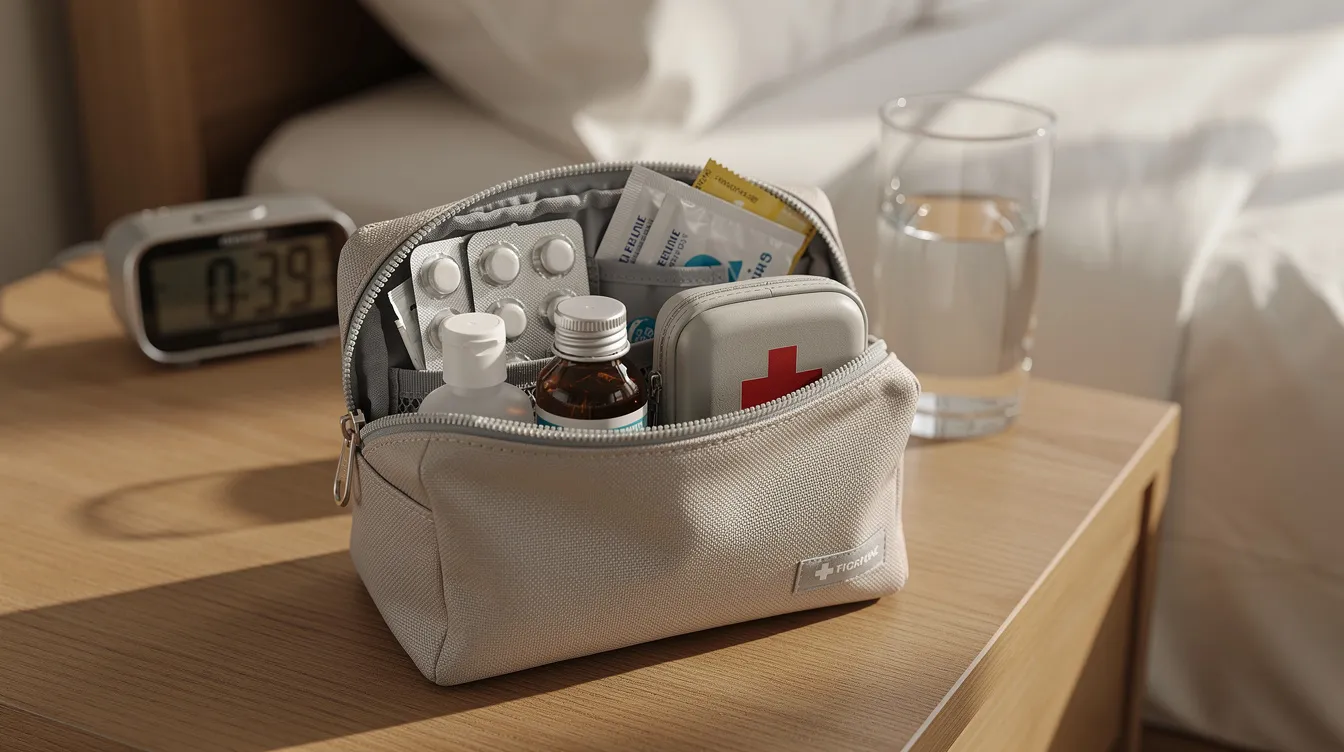
- Build a kit. Prepare a small safer sex kit with condoms (external and internal if relevant), compatible lube, and dental dams so protection is always on hand. Keeping supplies accessible removes one of the biggest barriers to actually using them.
- Revisit and adjust. Your sexual practices, relationships, desires, and health will change over time. Revisit your plan when you start seeing a new partner, when your relationship structure shifts, or when your sexual health status changes.
- Remember the why. Practicing safe sex is an ongoing act of care, for yourself and for every person you’re intimate with. It doesn’t diminish sexual pleasure. It creates the conditions where real pleasure, trust, and connection can actually happen. Communicate openly, stay curious, and treat protection as something you do with your partners, not despite them.
About the Author: Gareth Redfern-Shaw

Share This Story, Choose Your Platform!
Related Articles

12.8 Min Read
109 Views
0 Today

12.4 Min Read
205 Views
2 Today

8.8 Min Read
176 Views
4 Today